A total of 233 villages in Ambegaon, Junnar, Shirur, and Khed talukas of Pune district were declared disaster-affected areas in June 2024 due to leopard attacks.
According to a study conducted by the Wildlife Institute of India, Dehradun, within the limits of the Junnar Forest Division, the density of leopards in various areas, including Junnar, has been found to be six to seven leopards per 100 square kilometres.
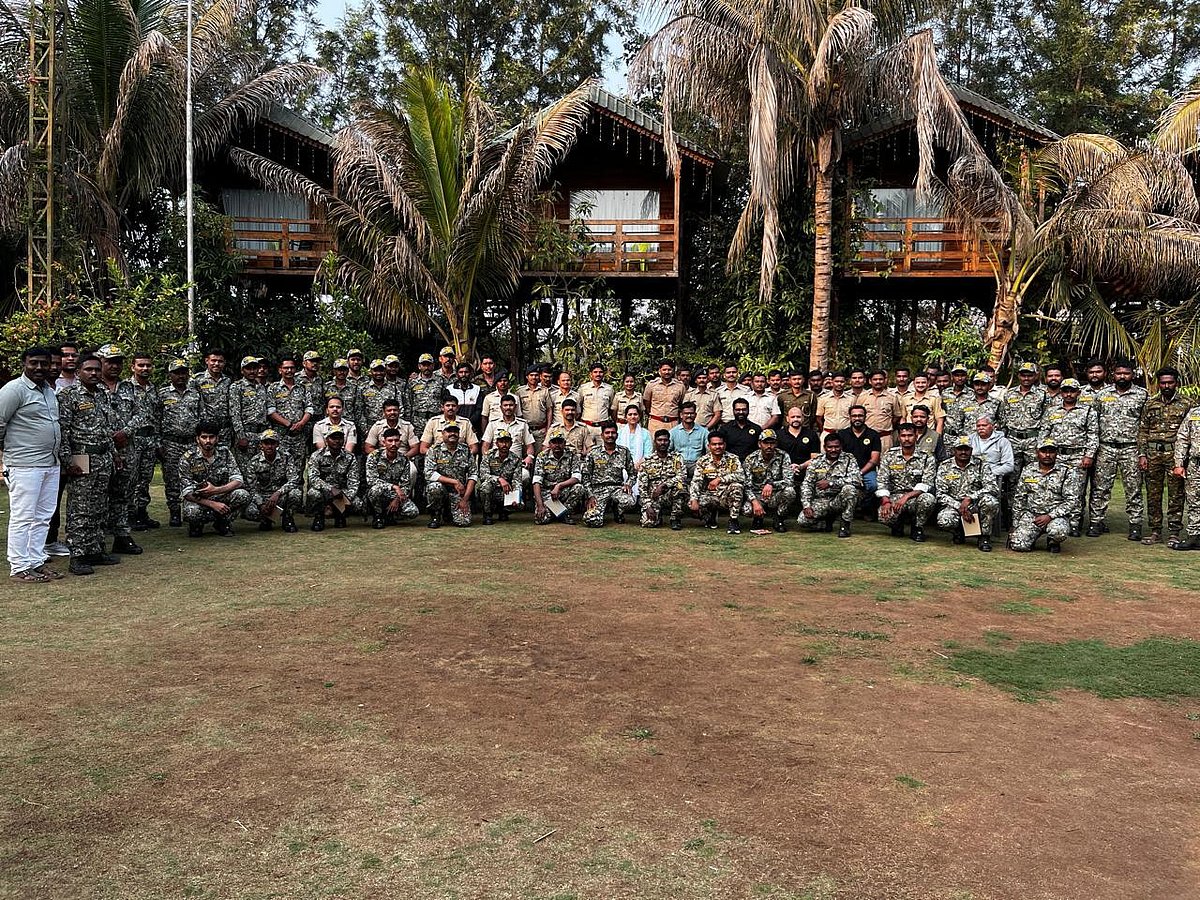
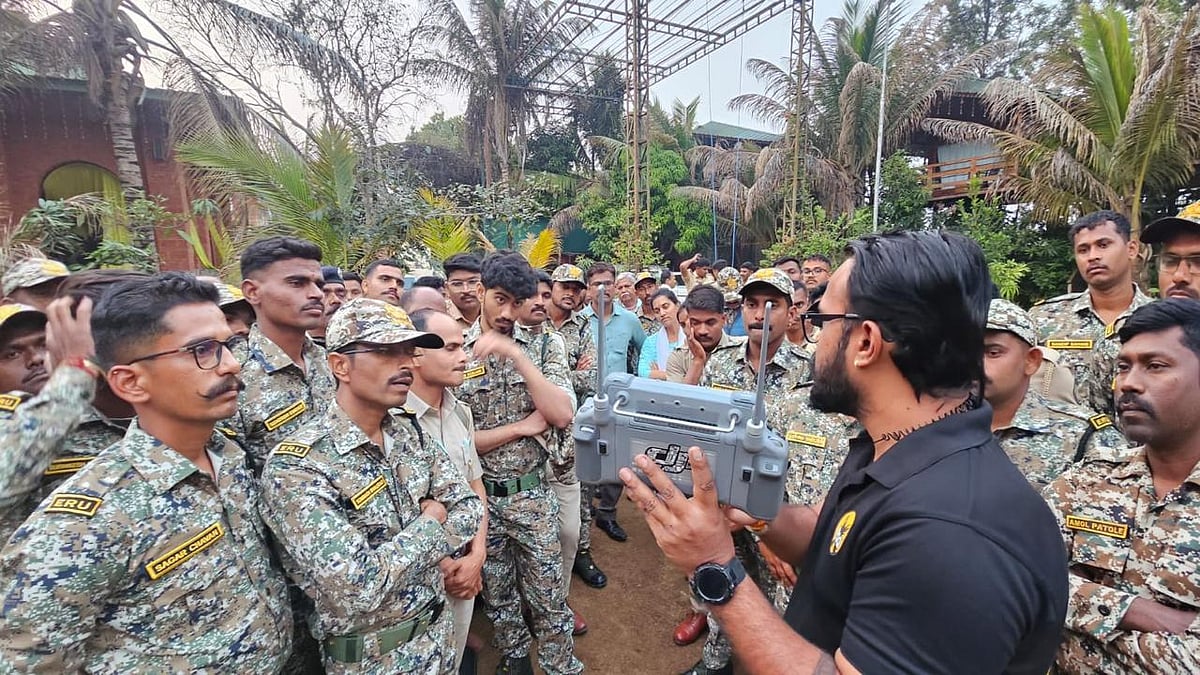
To address the issue, the Junnar Forest Department has been providing training to the Disaster Response Force to reduce the intensity of leopard attacks through capacity building, preparedness, prompt response, assessment of the intensity and extent of attacks, and relief and rescue operations. This initiative began on August 27, 2024.

The training sessions were conducted under the guidance of Conservator of Forests (Pune) Ashish Thackeray and Deputy Conservator of Forests Prashant Khade.
Most of the Junnar Forest Division area is hilly, and several irrigation projects are operational under the irrigation department. Major projects under the Ghod and Kukdi schemes, along with medium and small irrigation projects such as Dimbhe, Manikdoh, Pimpalgaon Joga, Vadaj, Chilhewadi, and Chasakaman, have significantly increased irrigation facilities. Due to the availability of water, long-term horticultural crops such as sugarcane, banana, grapes, and pomegranate are being cultivated extensively.
These crops provide excellent shelter for leopards to hide, along with abundant water availability. Additionally, domestic animals are easily available as prey due to agricultural activity. As a result, leopard habitats have developed in these horticultural areas.

Accordingly, 51 Emergency Response Team members and 28 forest field staff from the Junnar, Otur, Manchar, Ghodegaon, Khed, Chakan, and Shirur forest ranges under the Junnar Forest Division were trained through practical sessions conducted by experts from Rescue Charitable Trust.
Nachiket Utpat and Kiran Rahalkar from Rescue Charitable Trust, Pune, provided in-depth guidance on leopard search and control, leopard tracking, cage placement, use of trap cameras, animal identification during drone operations, and appropriate drone height above ground according to animal class.
Meanwhile, Nachiket Avadhani and Shreyas Kamble trained participants through demonstrations on conducting searches in dark areas, sugarcane fields, and dense bushes using drone operations. They also demonstrated the use of thermal camera drones to detect leopards at night based on heat signatures in dense vegetation.

Guidance was also provided on the role of the Emergency Response Team during leopard attacks, including immediate response to the site, coordination with the forest department, police, and health department upon receiving information, securing the area, ensuring public safety, providing immediate medical assistance to the injured, spreading awareness and instructions, conducting patrols until the situation is under control, and implementing measures to prevent future attacks.

