
Jalgaon: Bank loans worth ₹124.87 crore have been disbursed to 2,379 self-help groups (SHGs) and beneficiaries in Jalgaon district under the Maharashtra Government's Seva Sankalp Abhiyan, organised as part of the Umed Maharashtra State Rural Livelihoods Mission. The initiative aims to promote financial independence among rural women and encourage self-employment.
The district was assigned a target of 4,750 beneficiaries and loan disbursements worth ₹190 crore under the campaign. District and taluka-level teams coordinated with banks and submitted 2,431 loan applications, of which 2,379 were approved and loans disbursed. The district achieved around 65.7% of its financial target and 50.1% of its beneficiary target.
The campaign was implemented through coordinated efforts of district and taluka-level teams and bank officials under the guidance of Zilla Parishad Chief Executive Officer Karishma Nair, District Rural Development Agency Project Director Raju Lokhande and District Mission Manager Hareshwar Bhoi.
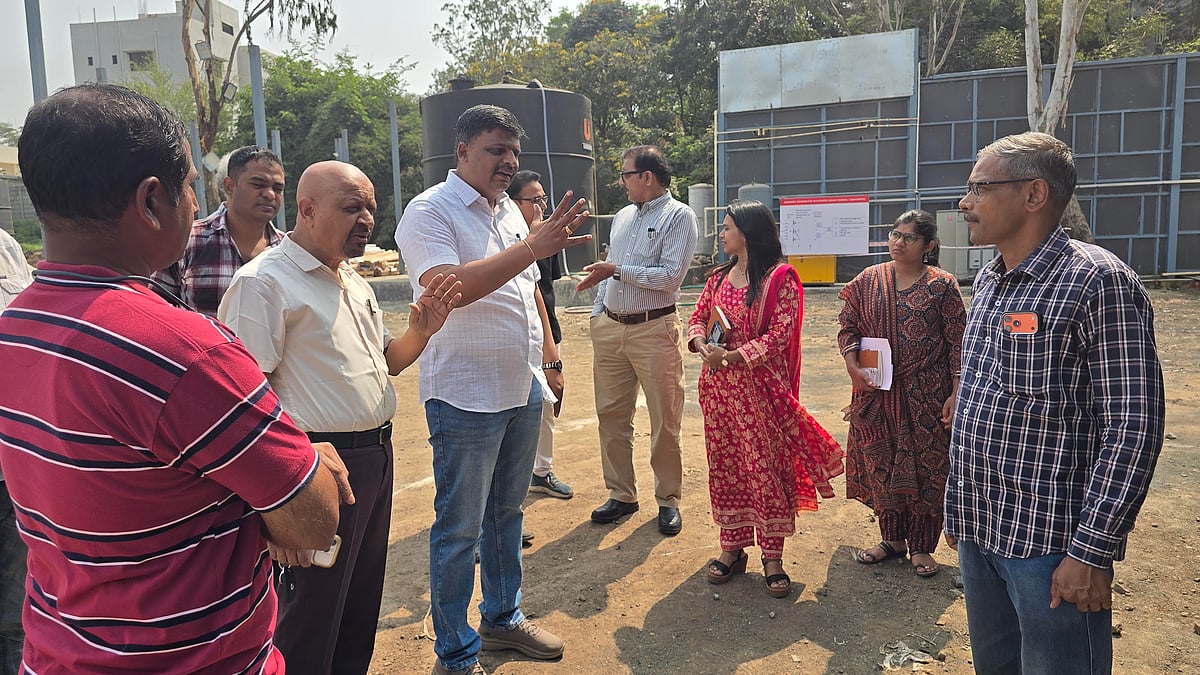
Among the talukas, Chopda recorded the highest loan disbursement of ₹12.85 crore to 170 beneficiaries, followed by Raver with ₹11.10 crore to 152 beneficiaries and Pachora with ₹11.08 crore to 198 beneficiaries.
Jamner recorded disbursements of ₹11.01 crore to 274 beneficiaries, while Jalgaon taluka received ₹10.04 crore for 230 beneficiaries. Parola recorded ₹9.23 crore for 198 beneficiaries, Chalisgaon ₹9.07 crore for 133 beneficiaries and Amalner ₹9.01 crore for 230 beneficiaries.
In Bhadgaon, loans worth ₹8.20 crore were disbursed to 139 beneficiaries, followed by Yawal with ₹6.72 crore to 116 beneficiaries, Bodwad with ₹6.01 crore to 156 beneficiaries and Dharangaon with ₹5.83 crore to 78 beneficiaries.
Bhusawal recorded disbursements of ₹5.05 crore to 90 beneficiaries, Erandol ₹4.98 crore to 120 beneficiaries and Muktainagar ₹4.66 crore to 95 beneficiaries.

The loans are expected to help rural women establish businesses in agriculture-allied activities, dairy farming, goat rearing, cottage industries, tailoring and other small-scale enterprises. The initiative aims to increase household incomes and promote entrepreneurship through women's self-help groups.
"There is immense entrepreneurial potential among women in rural areas. Our key objective is to facilitate bank loans for women through self-help groups, encourage them to start their own businesses, and help increase their income. Through the Seva Sankalp Abhiyan, the administrative machinery at the district and taluka levels must work in coordination to ensure that the benefits of government schemes reach as many eligible women as possible. The economic empowerment of women will enhance the financial stability of rural families and also provide a boost to the local economy," said Nair.

