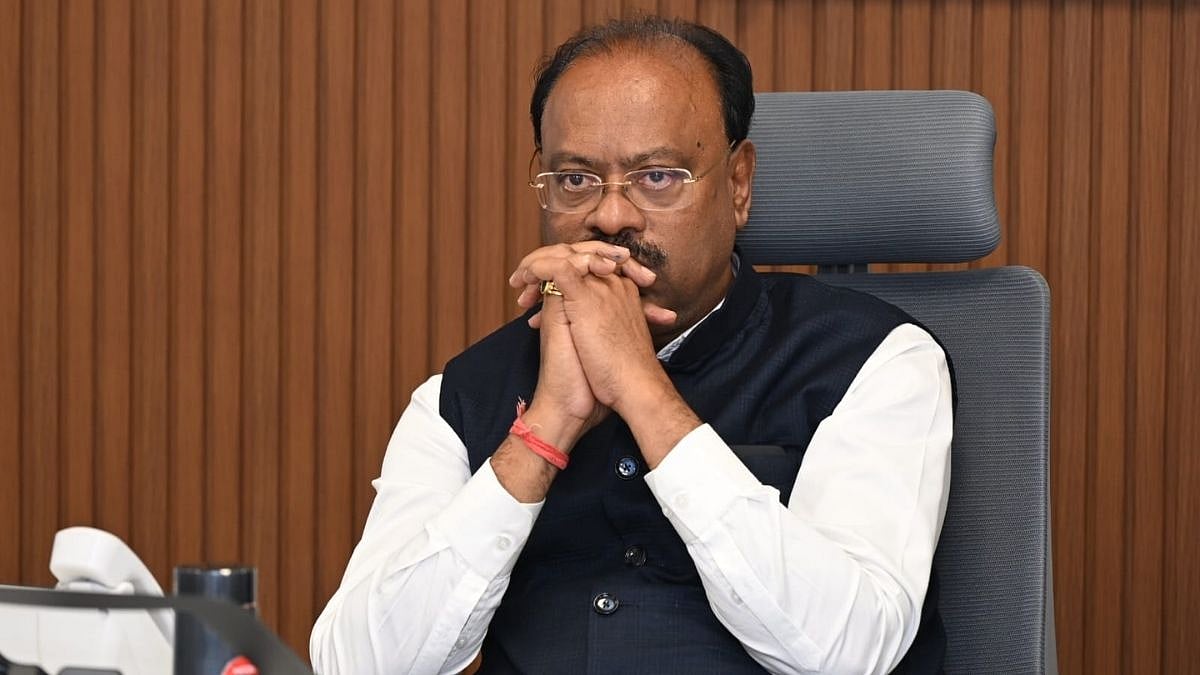
Pimpri-Chinchwad: Maharashtra Revenue Minister Chandrashekhar Bawankule on Thursday said the state government plans to make end users responsible for royalty payments on minor minerals as part of a proposed change in the system to curb illegal mining and transportation. He said the new approach would make a person using materials such as sand, murum and aggregate accountable for the royalty instead of government officials having to chase and detain vehicles transporting the material.
Bawankule made the statement during his visit to Pimpri-Chinchwad on Thursday afternoon. He also clarified that farmers’ tractors used to transport soil, murum and other minor minerals for agricultural purposes will be exempt from seizure. Maharashtra launched MahaKhanij 2.0 on September 15. The government's platform describes it as an integrated system for monitoring minor minerals, including permits, transportation, royalty payments, vehicle tracking, surveys and enforcement.
End user to be made responsible
Bawankule said the government is planning a new amendment under which royalty would be imposed directly on the end user. He gave the example of a person constructing a house. Under the proposed system, the person would declare the quantity of sand, murum and aggregate required for the construction, pay the applicable royalty and take responsibility for the material.
The minister said this would reduce the need for Tehsildars and other revenue officials to chase vehicles and detain them during transportation. “We will make the end user responsible now,” Bawankule said. He added that the government wants to remove the role of middlemen in the process and bring greater accountability to the use of minor minerals.
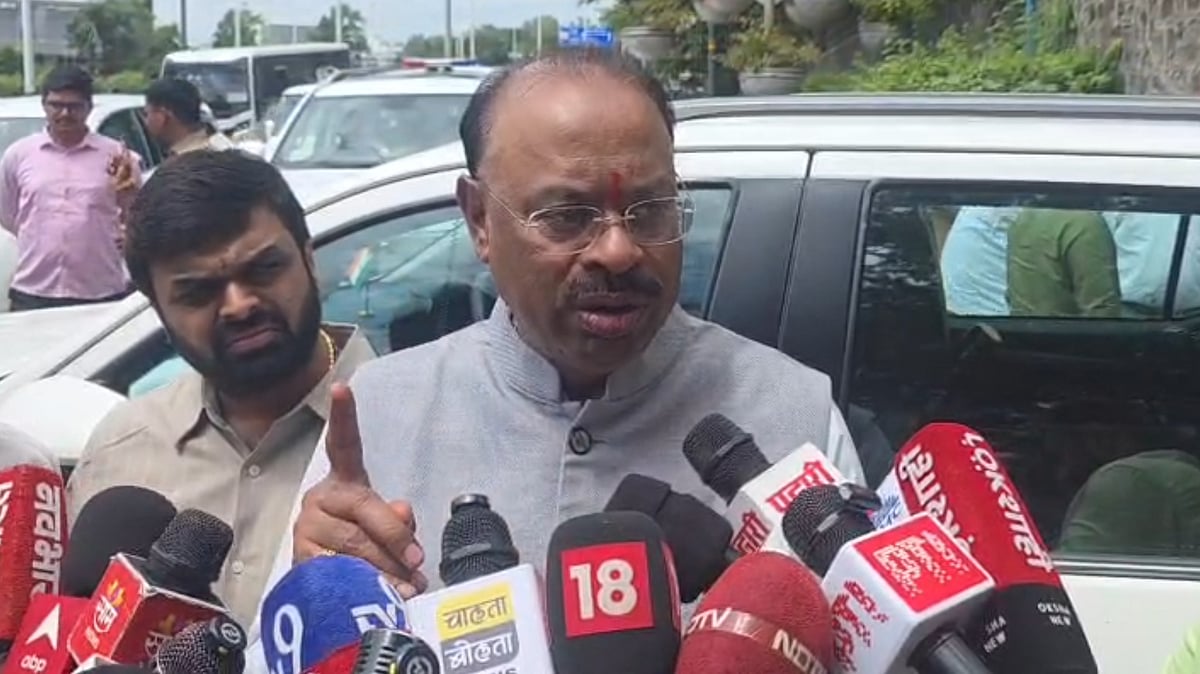
Farmers’ tractors exempt from seizure
Bawankule also made a specific exemption for farmers. He said revenue officials, including Tehsildars and Talathis, would not seize a farmer’s tractor when it is being used to transport soil, murum or other minor minerals for agricultural purposes from a farmer’s field.
However, he said the exemption would not apply to other illegal activities involving minor minerals. “Leaving aside the farmers’ tractors, we are clamping down hard on all other illegal minor mineral activities,” he said.
End-to-end monitoring through new system
Bawankule said the state’s new minor minerals monitoring system would provide end-to-end control over the movement of minor minerals. He said even vehicles involved in illegal transportation would come under the monitoring system.
According to the minister, the new system has been developed to international standards. He also claimed that other states have shown interest in the system. The government has been strengthening digital monitoring of minor minerals to check illegal extraction, transportation and royalty evasion. Bawankule said the state would now exercise greater control over the minor-mineral supply chain through the new system.
Move aimed at curbing illegal mining
The Revenue Department has been facing challenges in checking illegal extraction and transportation of minor minerals. The new system is intended to improve monitoring and enforcement.
Bawankule said the government’s focus would remain on stopping illegal activities while ensuring that genuine agricultural use by farmers does not lead to unnecessary action against them.
The proposed end-user model, however, will require further details on how declarations will be made, how royalty will be calculated and collected, and how responsibility will be fixed if the quantity of material used differs from the amount declared.
The minister did not provide a timeline for the proposed amendment during his visit to Pimpri-Chinchwad.

