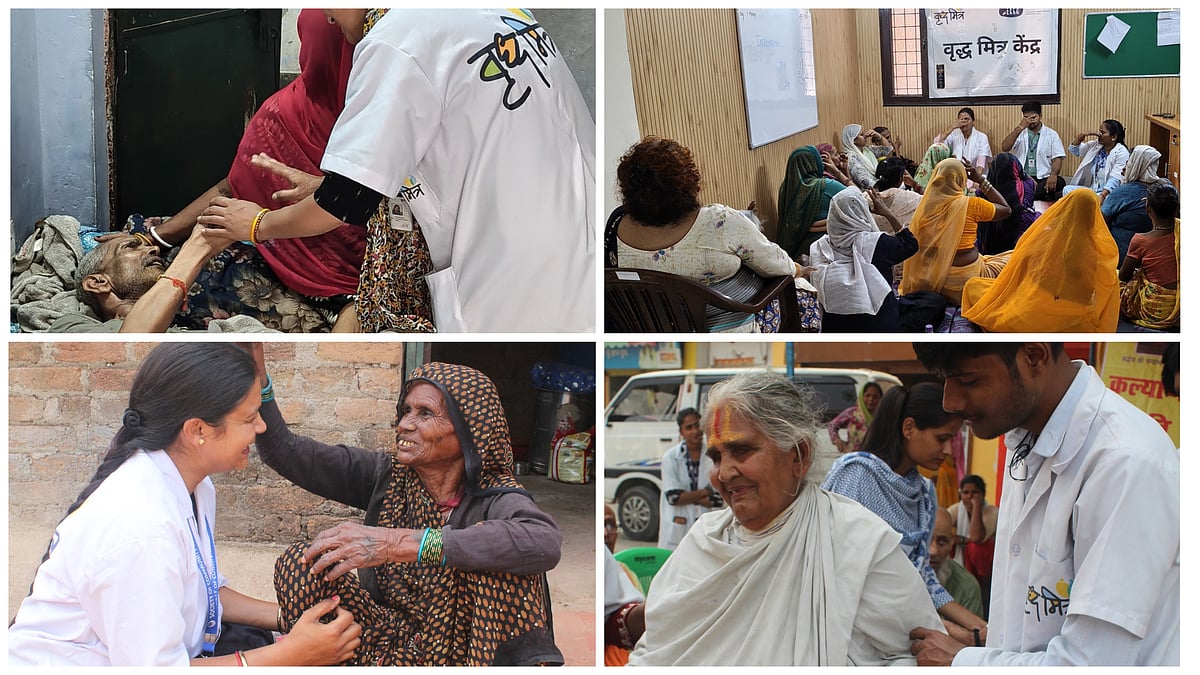
Pune: For many older people, the hardest part of ageing is not always illness. It can be the loneliness that comes with living alone, the difficulty of reaching a hospital, managing paperwork or even finding someone who can simply sit and talk to them. It was this gap that SCHOOL (Society of Community Health Oriented Operational Links) began to notice while working with communities, eventually leading to its flagship elderly-care initiative, Vriddha Mitra.
SCHOOL was established in 2007 with a focus on health and wellbeing, initially working largely with children and school health. But over the years, the organisation began looking at older people as a group whose needs were often overlooked. “Between 2007 and 2018, we had our own experiences and journeys and we realised that we want to work with elderly people. This is the age group nobody is addressing,” the founder said.
That thinking led to the conceptualisation of Vriddha Mitra, or Friends of Older People, in 2018. The organisation soon realised that most existing elderly-care models were centred around old-age homes and residential facilities. But after speaking to older people, it found that being moved away from familiar surroundings was itself a source of distress.
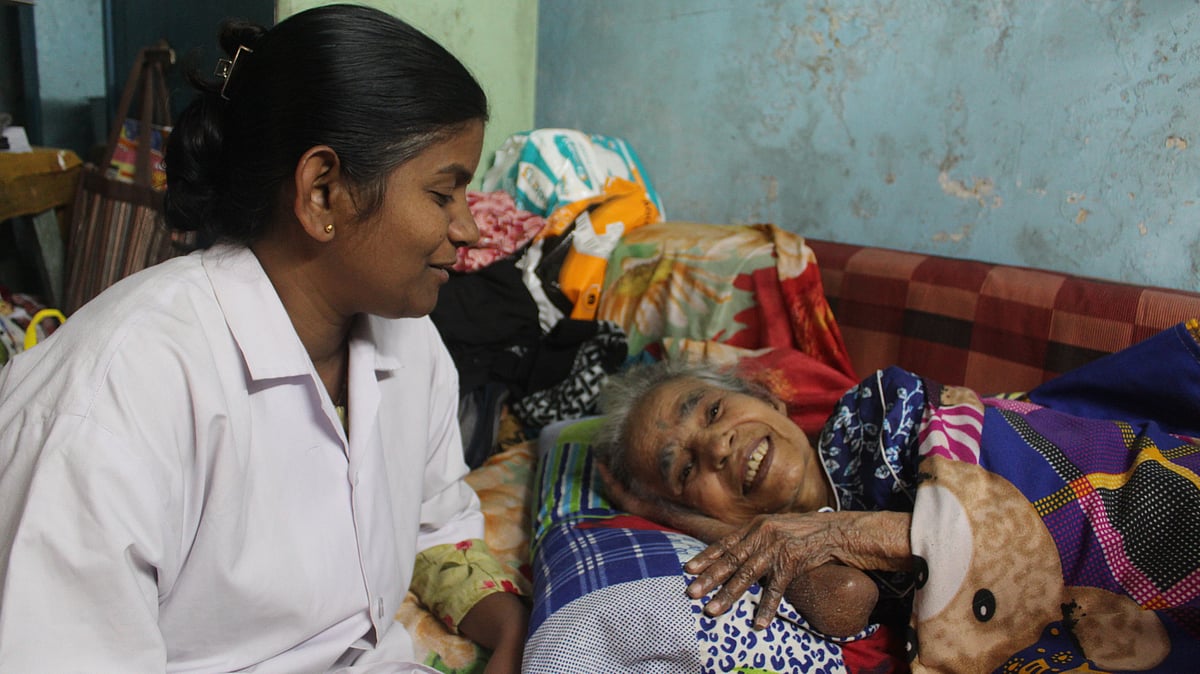
“We found that getting displaced is something that nobody likes,” the founder said. “They are not happy in a residential setup because they left their homes and they have kind of got shifted to this place.”
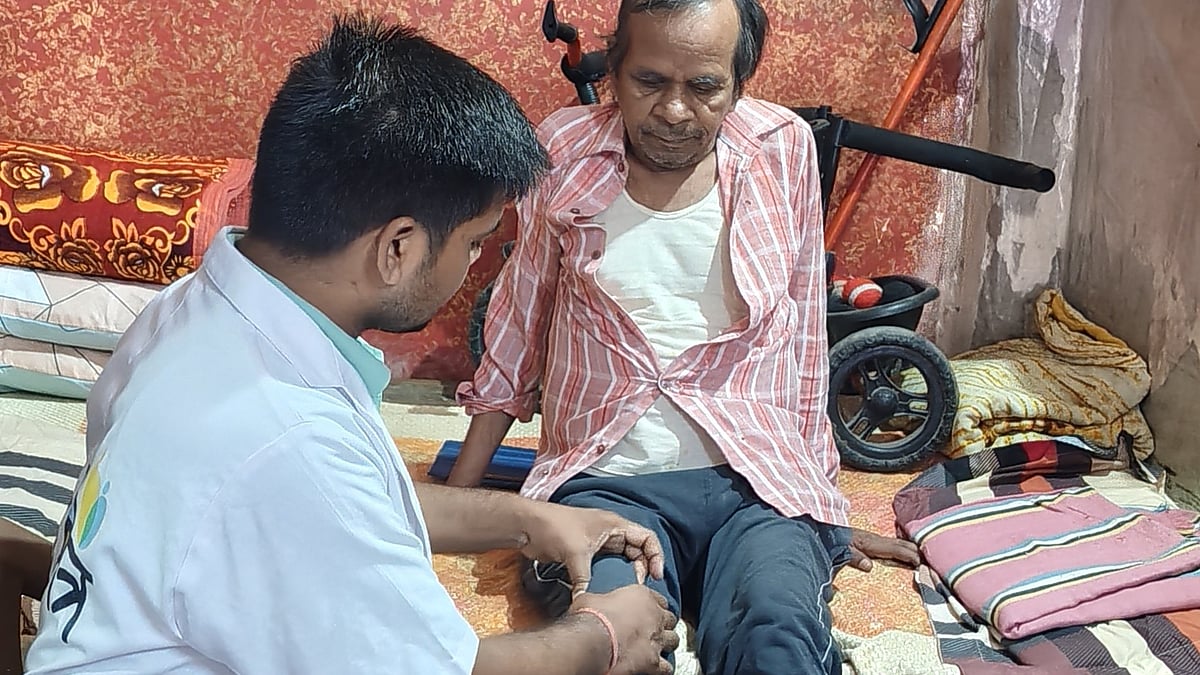
Vriddha Mitra was therefore built around the idea of “ageing in place” — allowing older people to remain in their own homes and communities while bringing care to them. The organisation adapted the home-visit approach used by frontline health workers such as ASHAs and Anganwadi workers and created its own network of trained Vriddha Mitras. “Our caregivers or Vriddha Mitra, the actual foot soldiers, started doing home visits and through home visits we started delivering care and services to the elderly in their own home,” the founder explained.
The programme works mainly with vulnerable people aged 60 and above, including those living alone, bedridden, immobile, living with chronic illnesses or disabilities, and those from economically and socially marginalised communities. The support is tailored to each person rather than being the same for everyone.
For a bedridden elder without family support, a Vriddha Mitra may assist with feeding, hygiene, dressing and diaper changes. Where family members are present, visits may focus on checking blood pressure, ensuring medication is taken properly and arranging tele-consultations when required. Those who are mobile can attend community activities such as eye, cataract, orthopaedic and cancer screening camps, along with recreational and awareness programmes.

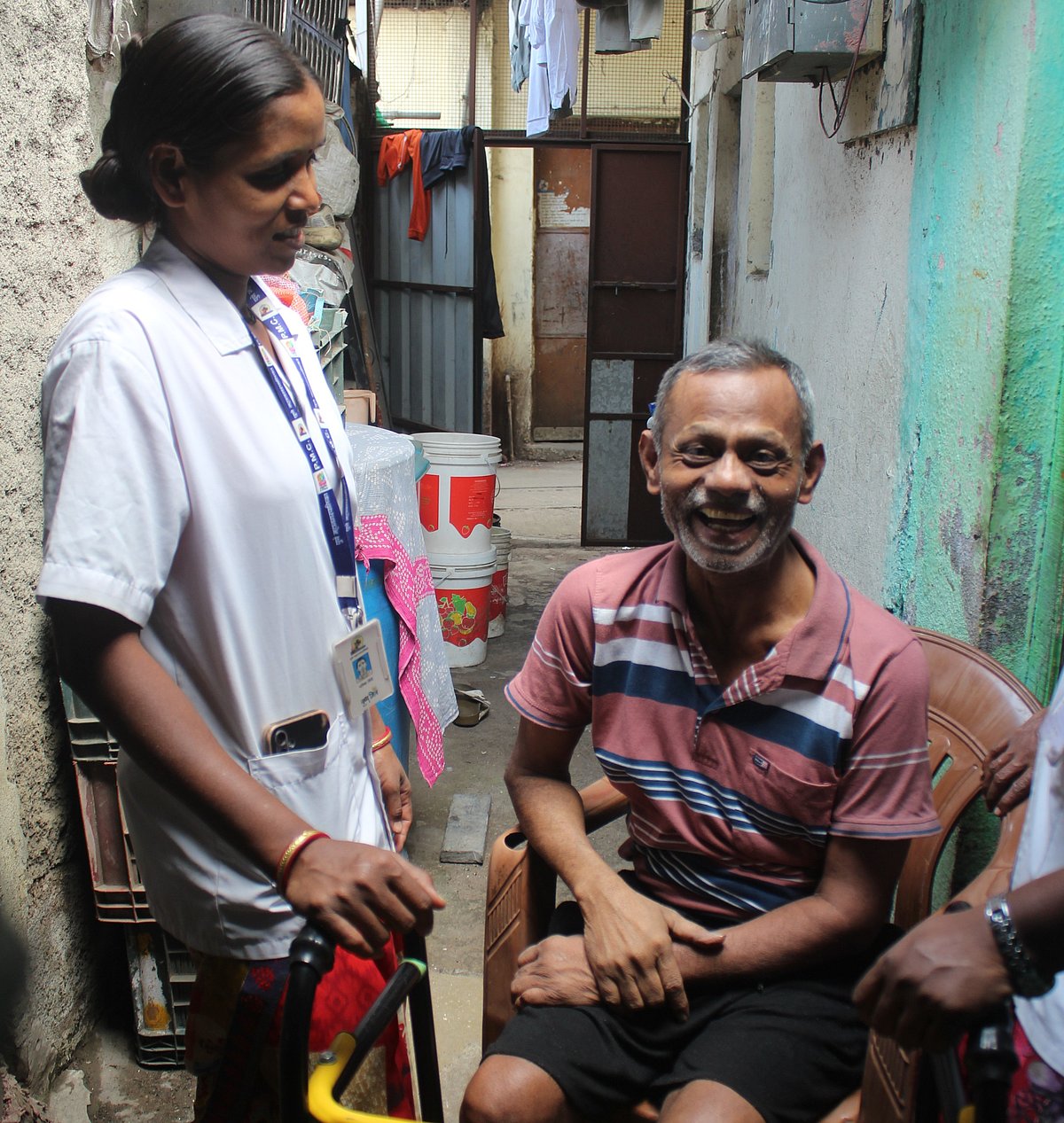
The support also goes beyond healthcare. The programme provides essentials such as ration, cooked meals, medicines, nutritional supplements, assistive devices and diapers to elderly people who may not be able to afford them. It also helps with Ayushman cards, pension documents, diagnostic services and referrals to higher hospitals, especially for those without family members to accompany them.
What began in Pune has since grown into a much wider network. SCHOOL says Vriddha Mitra started by serving 620 elderly people in Pune and has now reached more than 60,000 older people across multiple locations in India. Its work expanded to Mumbai, Bhopal and rural Gwalior in 2021, followed by a rural project in Kambre in Pune district in April 2022. Pune’s city-wide expansion was inaugurated on September 12, 2023, by then Maharashtra Governor Ramesh Bais.
The organisation has also moved towards building a trained elderly-care workforce through the Vriddha Mitra Academy. On June 25, 2026, SCHOOL and NITI Aayog held a national consultation on developing a dedicated cadre for elderly care. Earlier, in September 2025, the organisation released the Sahaj: Vriddha Mitra Toolkit during a national consultation on ageing in place.
For the founder, the work is ultimately about improving the quality of life of older people while helping them retain their dignity and independence. “Our goal of our programme is to improve the quality of life of the older people,” she said.
And perhaps that is what makes Vriddha Mitra different: the programme does not ask older people to leave their lives behind to receive care. Instead, it brings a familiar face to their doorstep, someone who can help, listen and stay connected.
The impact of Vriddha Mitra has also received recognition from Dr Vinod Kumar Paul, former Member of NITI Aayog said, “This model that has been created by SCHOOL and scaled up to a very large community is very notable, absolutely notable. And it shows us a way how India’s own model for care, welfare, and outreach to the elderly should be crafted. It has those strands which intuitively, culturally, scientifically, and in policy, are aligned with the direction that this nation should think about and develop.”

