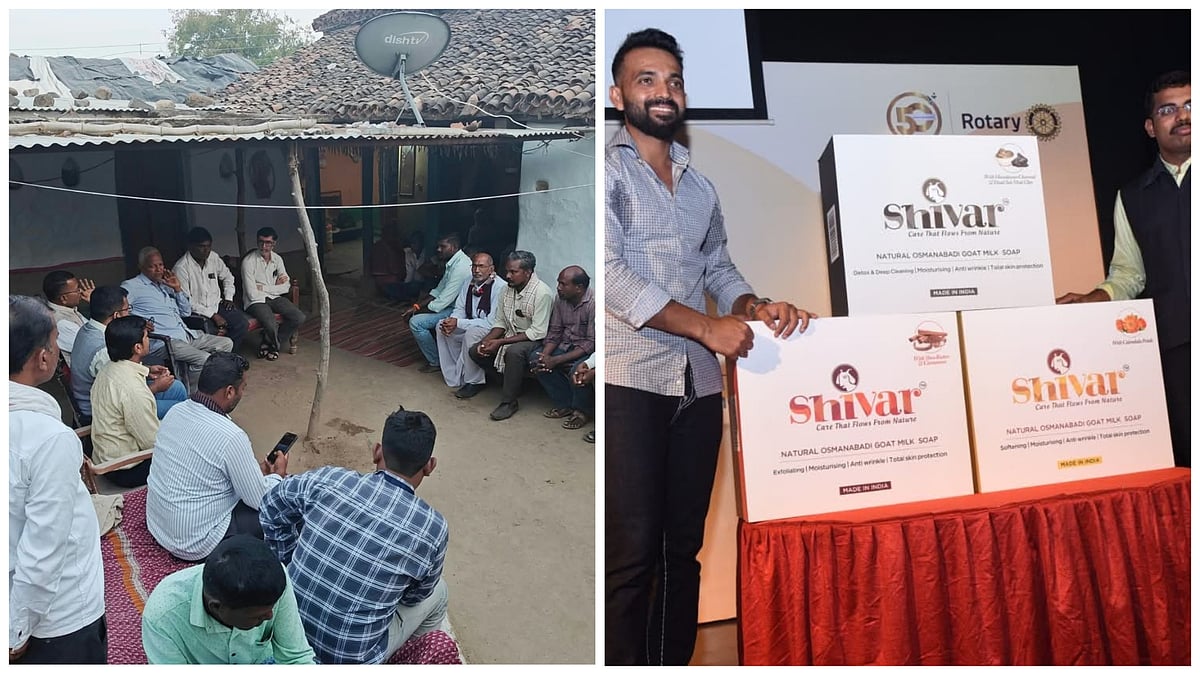
Pune: In a country where crop failure can push farming families into debt, distress and, in the worst cases, suicide, one Pune-based organisation is working to ensure that farmers do not have to face such crises alone.
What began as a youth-led movement in 2014 has grown into an organisation focused on farmer mental health, suicide prevention, rehabilitation and sustainable livelihoods. Founded by Vinayak C. Hegana, Shivar Sansad was formed to understand the problems farmers face and connect them with the support they need.
The organisation began by conducting field research across 14 districts in Marathwada and Vidarbha, visiting villages and studying the circumstances behind farmer suicides.
For Hegana, the issue was also close to home. Coming from a farming background and having studied agriculture, he had seen the challenges faced by farming communities. He decided to bring young people together to work on the issue.
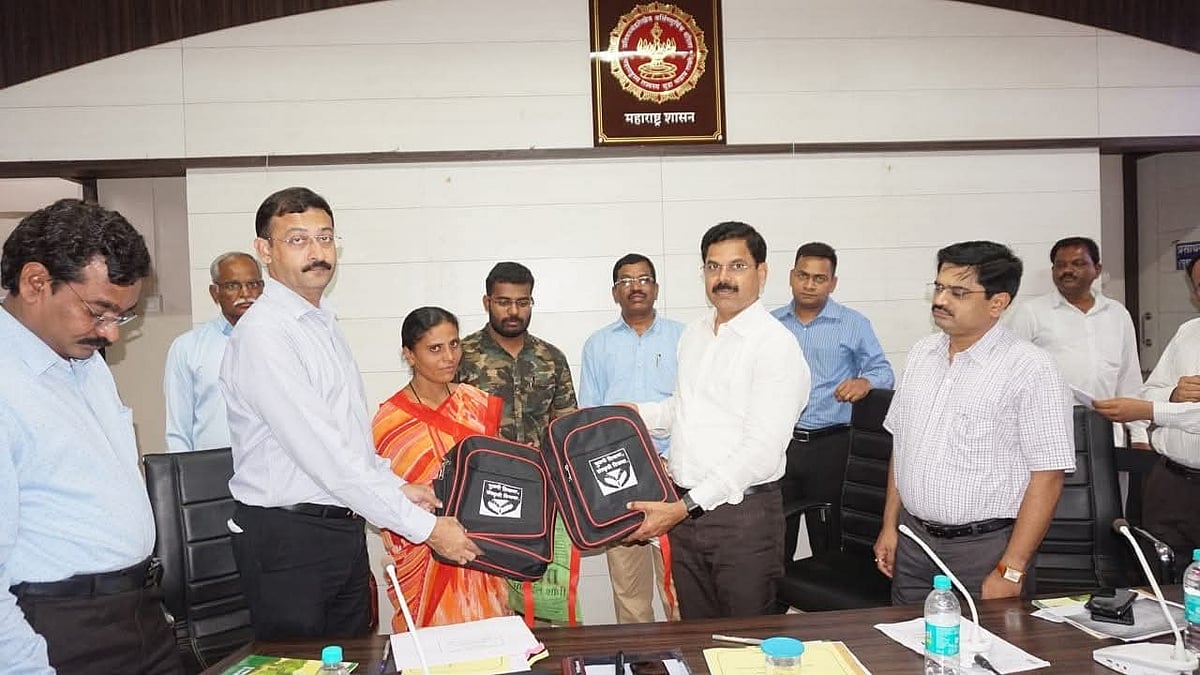
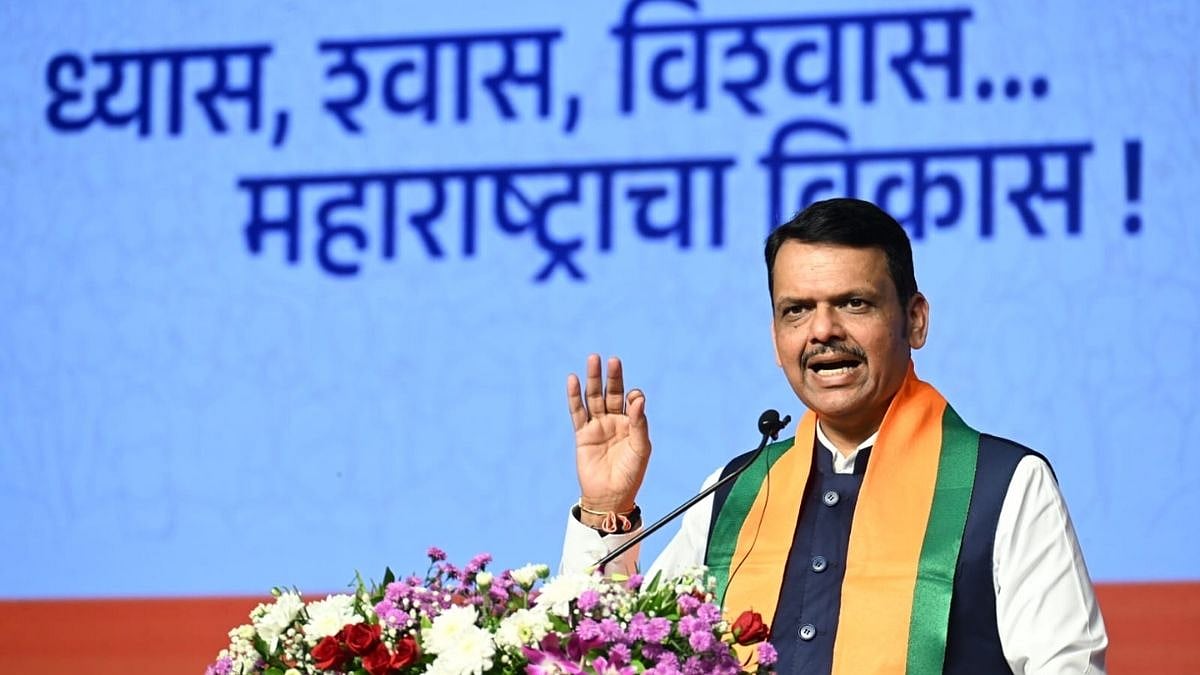
“We have to do something for the farmers. After visiting drought-affected areas two years back, I decided to form a team for this mission. A team of about 3000 youngsters was created through social media and with the help of some NGOs.”
The organisation now works from its Pune headquarters and reaches out to 31 districts across Maharashtra. Its work is based on three pillars: prevention, rehabilitation and sustainability, with mental health at the centre of its suicide-prevention efforts.
One of its flagship initiatives is the Shivar Helpline, through which farmers can seek counselling when they experience suicidal tendencies. However, the organisation’s intervention does not end with a counselling session.
“It does not stop only at the counselling part. After the counselling, we coordinate their problem. From that needs assessment, we assess their real-time issues. We call it the agro-psycho-social intervention model.”
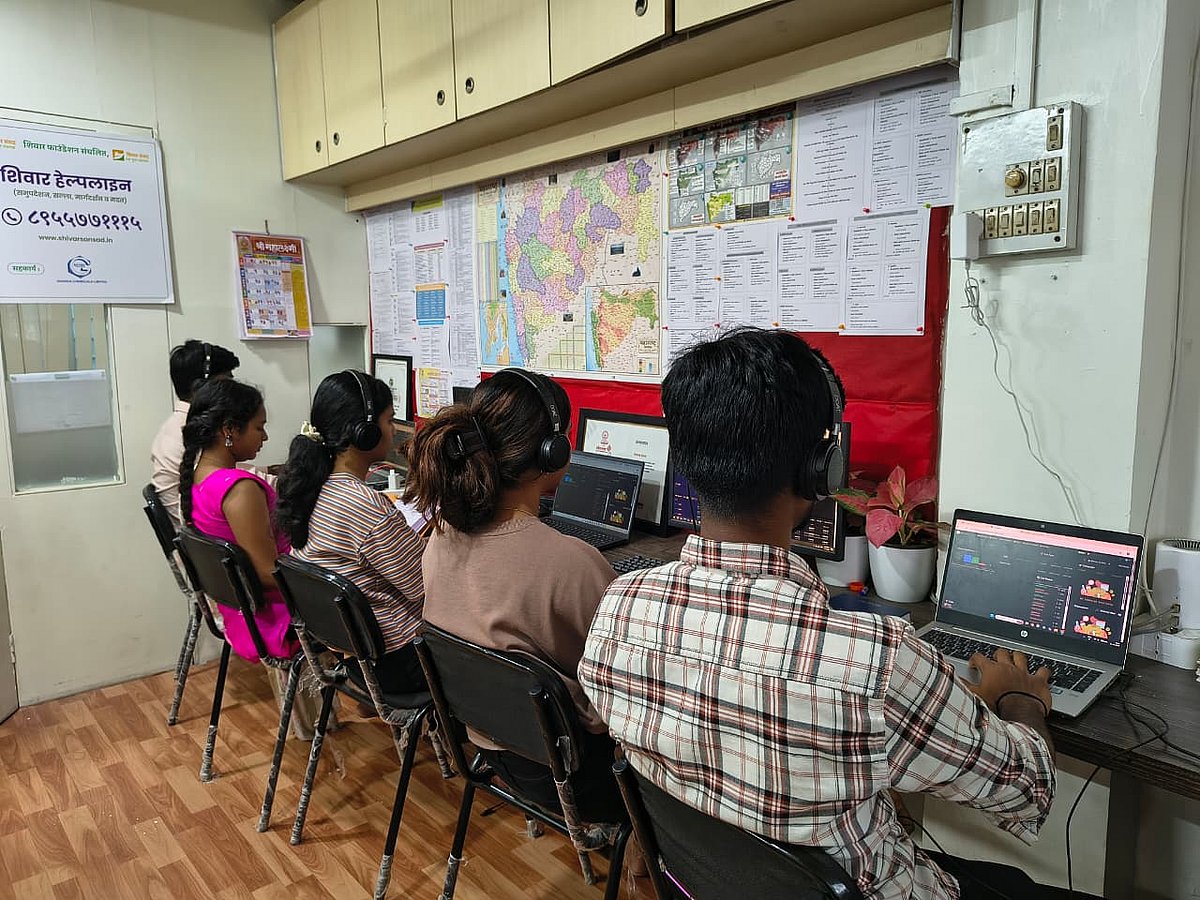
Under this approach, the team examines the agricultural and social challenges affecting a farmer and their impact on mental well-being. It then connects them with relevant government departments, schemes and agencies at different levels. When institutional support is insufficient, the organisation also looks at community-based, one-to-one assistance.
Shivar Sansad has also worked with families affected by farmer suicides. In one case, volunteers counselled Laxman Dattatray Gund, whose father had died by suicide after struggling with debt and difficulties in accessing agricultural assistance. The organisation supported Laxman in pursuing government assistance for a farm well and other pending support.
In another case, the organisation took responsibility for the education of two daughters of a farmer who died by suicide and helped the family explore an additional livelihood so they could become less dependent on uncertain farm income.
The organisation has also provided families with assistance for seeds and fertilisers and encouraged them to develop alternative sources of income, helping them cope with the financial impact of losing an earning member.
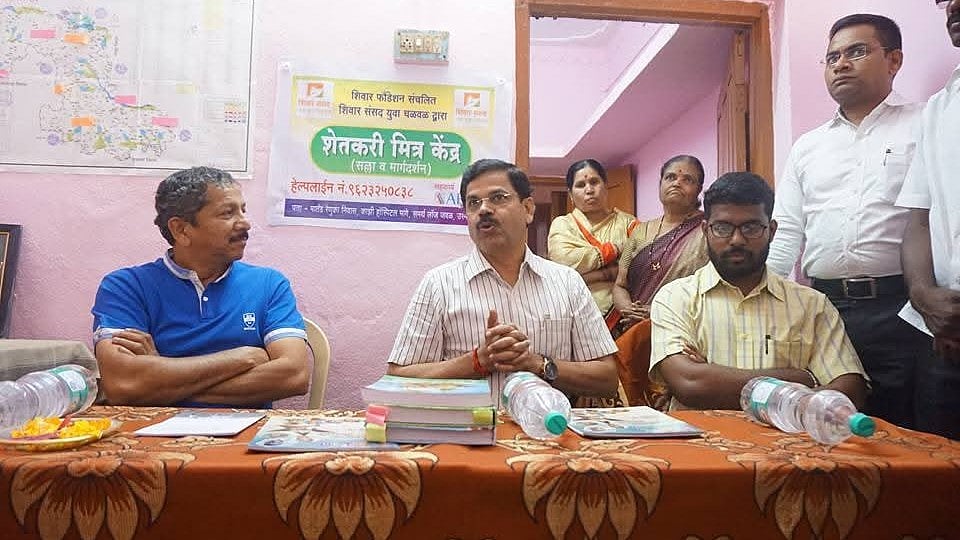
Its work has now expanded to the younger generation through the Shivar Fellowship: “Whenever the students or the children from farmer families or rural backgrounds came to study in Pune, they needed mentorship, guidance or a support system. But they didn't have that in the city. So we developed the Shivar Fellowship.”
For the founder and his team, preventing farmer suicides is therefore not limited to responding to a crisis. It involves addressing the agricultural, social and psychological pressures behind it, helping families access available support and creating opportunities for a more secure future.
From reaching a farmer in distress to supporting a rural student finding their place in Pune, the organisation’s work is built around one simple belief: farmers need support when they are at their most vulnerable, not abandonment.

