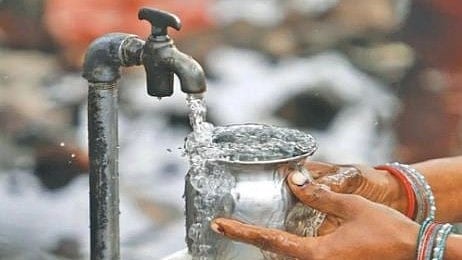
Thane: Despite making rainwater harvesting mandatory for new buildings to secure an Occupancy Certificate (OC), the Thane Municipal Corporation (TMC) has failed to keep official records on whether these systems remain operational after completion. This governance gap comes at a critical time, as delayed heavy rainfall has left local dam levels stagnant, intensifying concerns over the city's future water security.
The Reality Gap: Data Discrepancies and Inefficiencies
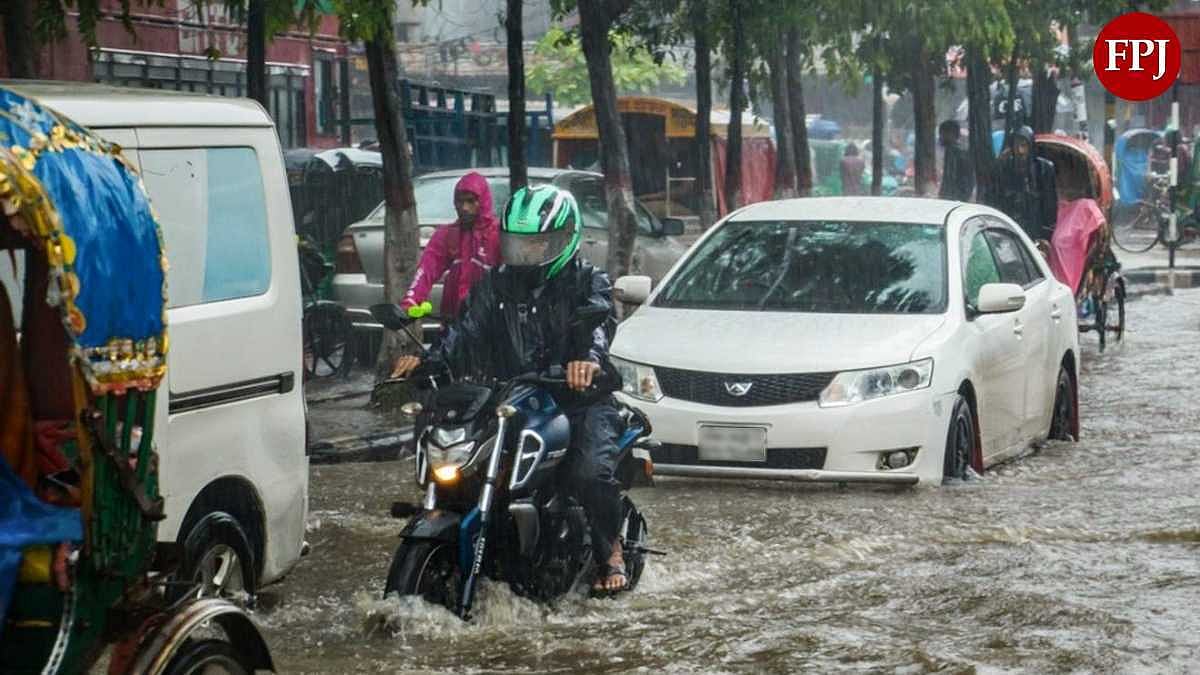
According to civic records, Thane theoretically had roughly 1,250 functional rainwater harvesting projects by 2017. However, the municipal corporation’s actual data for recent years reveals a drastically lower rate of newly certified projects. Between 2021 and June 2026, only 638 new systems were registered as operational.
The year-by-year breakdown shows a steady decline in newly implemented systems over the last few fiscal years:
Fiscal Year Number of New Rainwater Harvesting Systems Registered
2021–22 145
2022–23 139
2023–24 170
2024–25 129
Jan – June
2026 55
The overarching issue is that while developers construct these units on paper to obtain their OCs, the TMC does not trace whether housing societies maintain them. Consequently, the systems have failed to yield the "expected results" in easing the city's central water supply burden.
A History of Missed Opportunities
The city's struggle with urban water management is not new. Environmental experts trace significant systemic failures back to 2016:
Lost Potential: In June 2016 alone, Thane received approximately 850 mm of torrential rainfall. However, due to a lack of effective city-wide catchment infrastructure, millions of liters of pristine water were lost as runoff into the local creek.
Lack of Public Response: The civic body faced a sluggish response from housing societies reluctant to take up harvesting projects independently.
Call for Incentives: At the time, environmentalists and civic groups urged the corporation to expand the initiative by offering promotional discounts or tax incentives to societies to successfully drive community adoption.
While the mandate ensures that newer structures feature harvesting frameworks during construction, the question of whether these systems are actively running or structurally abandoned remains unanswered in official municipal logs. Without regular audits and community incentives, Thane continues to watch millions of liters of monsoon rain drain away into the creek instead of replenishing its strained water tables.
To get details on exclusive and budget-friendly property deals in Mumbai & surrounding regions, do visit: https://budgetproperties.in/
