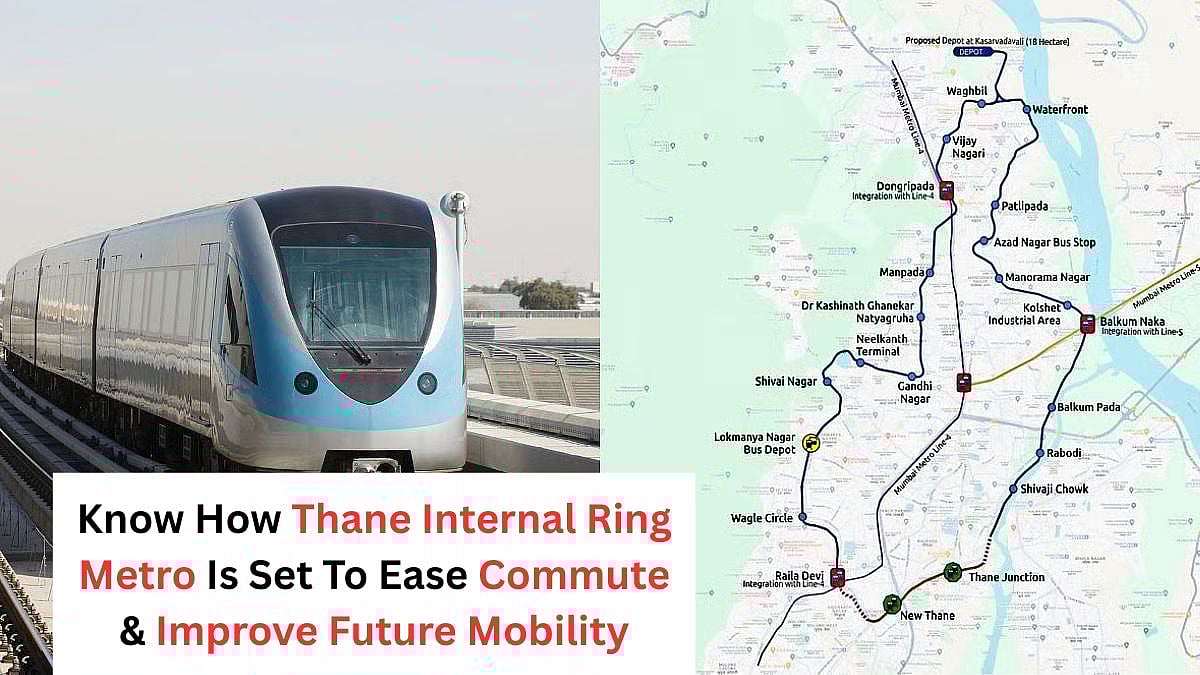
Thane: With work on the Thane Internal Ring Metro Project now underway, residents are set to get long-awaited relief from persistent traffic congestion as the city moves toward being seamlessly connected through a network of 22 metro stations. Once completed, Thane is poised to become the first city in Maharashtra to have its entire urban expanse linked via a metro system.
Thane continues to struggle with severe traffic congestion, particularly in the Ghodbunder Road corridor, Old Thane, and Wagle Estate regions. The city is heavily dependent on both rail and road networks for daily commuting, but key residential and rapidly growing areas such as Ghodbunder and New Thane remain located far from the suburban railway network. As a result, a large number of commuters are forced to rely on road transport to reach Thane railway station, creating intense pressure on arterial roads and significantly worsening traffic congestion across the city.
The urban growth in Thane has also overwhelmed the existing road infrastructure, leading to chronic congestion on narrow internal routes. However, the Internal Ring Metro Project, which is set to connect directly to the key hubs, will reduce pressure on residential and commercial hubs.
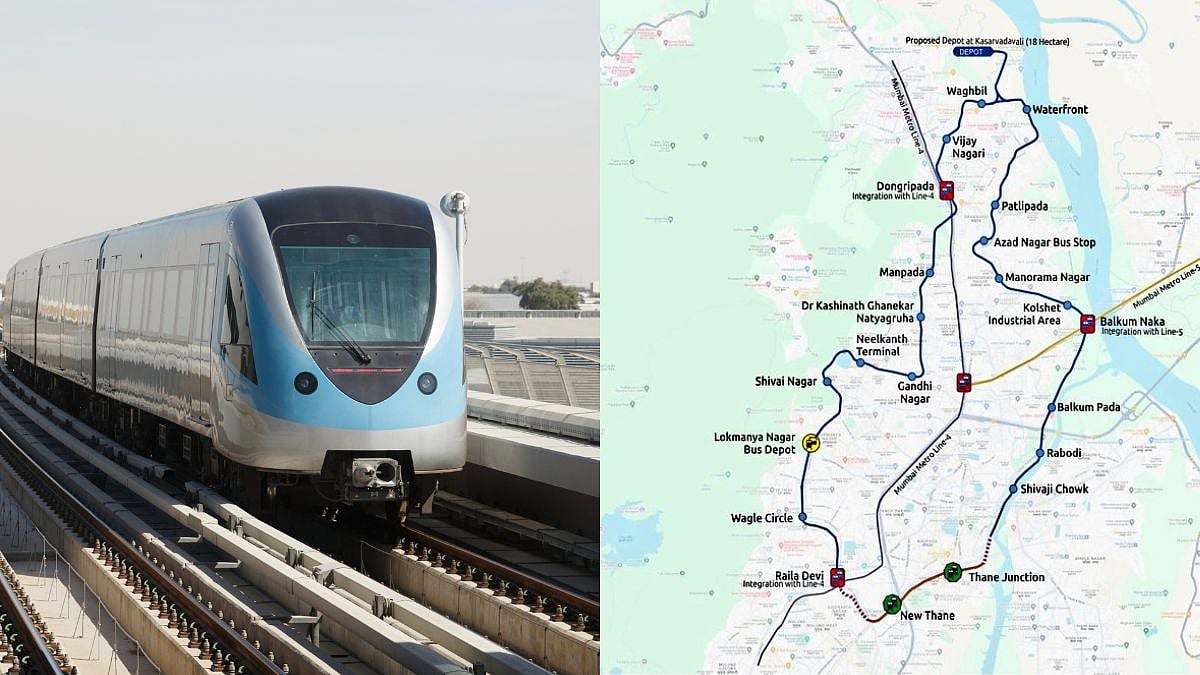
Which Stations Will Cover The Ring Metro?
Rayla Devi, Wagle Circle, Lokmanya Nagar Bus Depot, Shivai Nagar, Neelkanth Terminal, Gandhinagar, Dr Kashinath Ghanekar Natyagruha, Manpada, Dongripada, Vijay Nagari, Waghbil, Waterfront, Patlipada, Azad Nagar Bus Depot, Manorama Nagar, Kolshet, Balkum Naka, Balkum Pada, Rabodi, Shivaji Chowk, Thane Junction, New Thane
How Will Thane Ring Metro Ease Commute & Improve Future Mobility?
Stations such as Rayla Devi, Wagle Chowk, Lokmanya Nagar Bus Depot, and Thane Junction will act as major interchange points. These locations are expected to integrate metro services with suburban trains and bus networks.
Moreover, the densely populated areas, including Lokmanya Nagar, Rabodi, and New Thane, will benefit significantly with the beginning of the metro line. Currently reliant on shared and TMT buses, autorickshaws, residents in these localities will benefit from faster travel options and direct access to employment hubs.
Stations like Kolshet, Balkum Naka, Waghle Circle, Lokmanya Nagar, and Rayla Devi will directly enhance connectivity to business districts for the public.
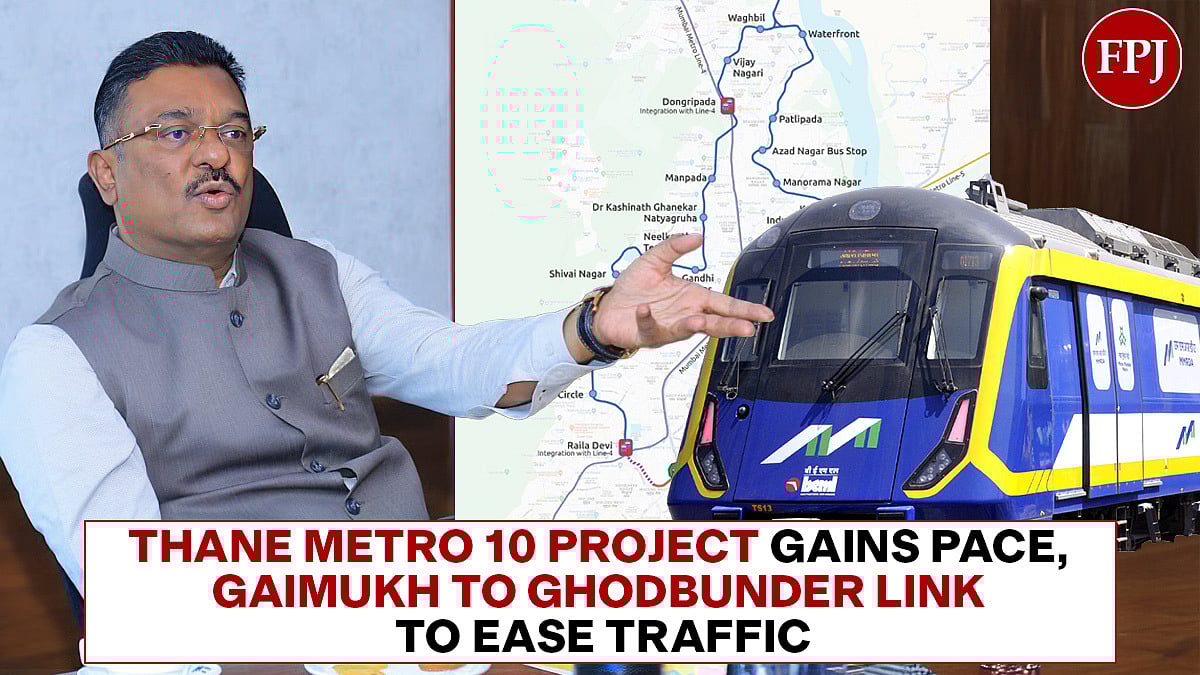
Balkum Naka, in particular, is set to emerge as an important junction linking with other upcoming Metro 5 corridors connecting Thane to Bhiwandi. Phase 1 of the Thane-Bhiwandi-Kalyan Metro Line 5 is likely to be put into service in 2026. The work on Phase 1, which covers 12.20 km connecting Thane to Bhiwandi, is currently 95 per cent complete.
Once operational, the Ring Metro is projected to reduce travel time by up to 50–75 per cent for many intra-city routes and ease road congestion on major arteries like Ghodbunder Road and the Eastern Express Highway.
To get details on exclusive and budget-friendly property deals in Mumbai & surrounding regions, do visit: https://budgetproperties.in/

