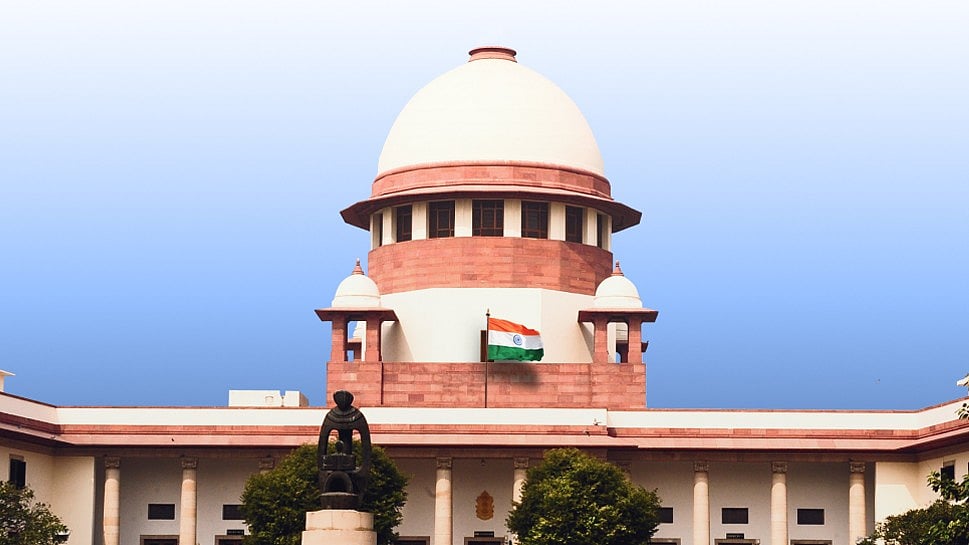
Mumbai: The Supreme Court, in its judgment dated July 2, has sent a strong signal to the legal fraternity by declaring “zero tolerance” for reliance on fabricated or AI-generated precedents in judicial proceedings. In ‘Pooja Ramesh Singh v Jammu & Kashmir Bank Ltd & Anr’ (2026), the Court struck down the orders of the NCLT and NCLAT after finding that they had cited non-existent judgments and misattributed passages.
A Bench of Justices PS Narasimha and Alok Aradhe held that a ruling based on fictitious material is void ‘ab initio’ and undermines the rule of law.
The Court likened the infiltration of AI-hallucinated content to a toxic leak in the justice system, describing it as invisible, insidious, and catastrophic by the time it is noticed. It observed that such material contaminates and takes away the very lifeblood of judicial determination.
The Supreme Court also sounded a clear warning that advocates citing unverified AI-generated material commit misconduct, and that judicial reliance on such content constitutes a serious lapse.

The Court directed the Bar Council of India, the apex statutory body, to constitute a committee to deliberate on the issue of members of the Bar submitting fake and hallucinated material before courts as though they were genuine legal precedents. It further directed the Bar Council to treat this issue with the utmost seriousness, deliberate earnestly, and prescribe guiding principles to prevent such occurrences, along with disciplinary action for violations.
As a lawyer, I view this judgment as a watershed moment. It reinforces that while technology can assist legal research, it cannot replace the duty of lawyers to verify and reverify judicial precedents before relying on them in court proceedings. The message is clear: fabricated citations have no place in the courtroom, and accountability will be enforced at every level.
To get details on exclusive and budget-friendly property deals in Mumbai & surrounding regions, do visit: https://budgetproperties.in/

