
Mumbai: Indian security agencies are confronting a new threat from across the border: a Pakistan-based gangster who uses social media to recruit young Indians for violence, according to former Special Director General of the National Investigation Agency (NIA) Atulchandra Kulkarni.
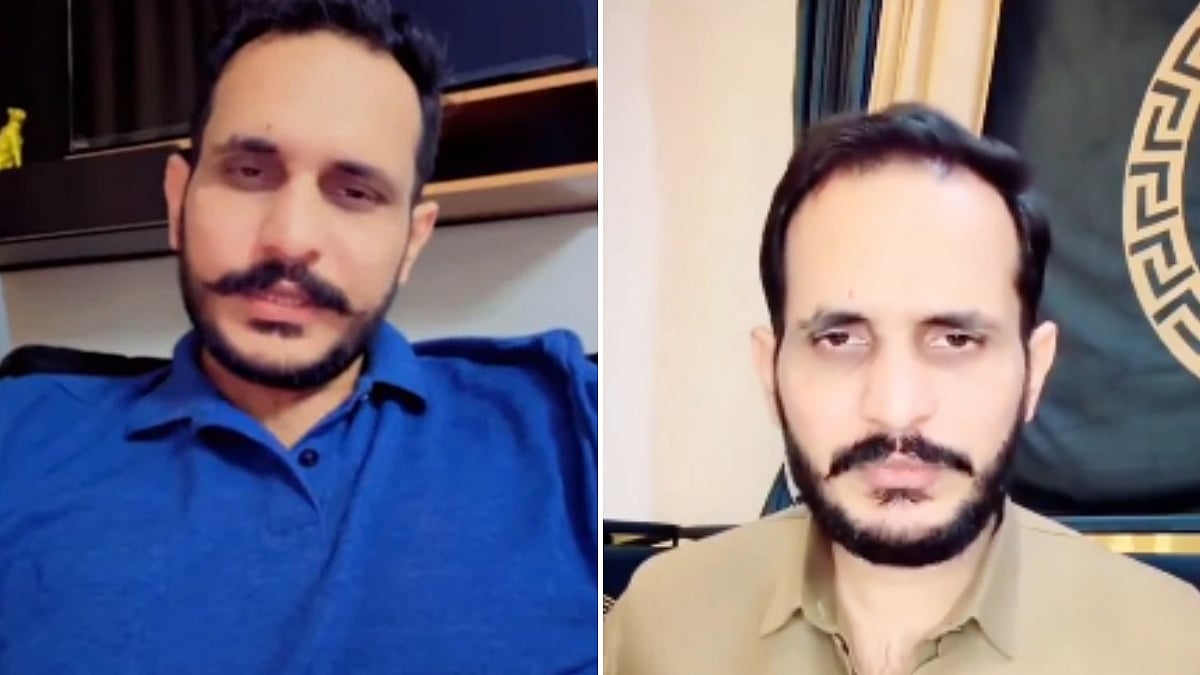
Speaking exclusively to The Free Press Journal, the retired IPS officer, who also served in Maharashtra ATS and the Intelligence Bureau, said Shahzad Bhatti has evolved from underworld figure to online influencer. Bhatti has around 250,000 followers and posts lightweight content such as reels, but his criminal network in Pakistan remains intact.
Social Media Recruitment Targets Vulnerable Youth
Kulkarni said Bhatti's recruitment method is deceptively gentle. He first builds a following, then approaches individual followers, mostly young men from poor or lower-middle-class backgrounds. They are given small, seemingly harmless jobs, such as putting up posters or filming videos, in exchange for modest payments.
“The task goes on escalating, the money goes on escalating until recruits are drawn into terrorism. The tasks have reportedly included attacking an RSS office-bearer and killing a policeman."

Reports suggest more than 300 Indian youths have been in touch with what is popularly called the Bhatti network, or SBN. Kulkarni said recruits are often vulnerable: some are dependent on drugs, others are drawn to gun culture or easy money, and these weaknesses are exploited. Instructions and payments are often moved through the darknet.
Security Agencies Crack Down On Network
According to Kulkarni, about 250 youths had been rounded up by the second week of August, just before Independence Day, with roughly 90 offences registered. "The figures have probably risen since. About 20 states have identified the network’s presence, and 13 or 14, including Uttar Pradesh and Maharashtra, have registered criminal cases."
The Union Home Minister Amit Shah had posted on X on August 17 that a major terror attack planned by Shehzad Bhatti had been foiled.
Kulkarni called the action “a little preemptive,” which he described as the right approach. The SBN, he said, has been neutralised “for the moment at least, but online activity can resurface in a different form."
Alleged ISI Links Raise Security Concerns
Kulkarni said the ISI is believed to control the network, and that Bhatti and two or three others have been directly tasked by the agency. "It is difficult to say whether Bhatti began independently and was later co-opted, or was groomed by the ISI from the start; either is possible."
Kulkarni also pointed to Mumbai underworld connections, noting that a Mumbai gangster, Munna Zingada, who relocated to Pakistan, is considered an associate of Bhatti. "That gives the network a sinister dimension. It cannot be taken lightly.”
Kulkarni said the ISI’s strategy extends beyond terrorism. "Recruits are also expendable, since the handlers invest nothing in training them and bear no responsibility if they are caught," he said.
Online Radicalisation Poses Growing Challenge
Kulkarni identified online radicalisation as a major worry. "Lone-wolf attackers radicalised alone on a laptop remain unknown to agencies until they strike. It is a challenge faced worldwide." He urged parents, teachers and friends to watch for young people drifting in the wrong direction.
Also Watch:
Kulkarni credited the Union Home Ministry's hands-on approach and a shift in intelligence sharing since the November 26, 2008 Mumbai attacks, moving from “need to know” to “need to share.” Agencies now draw on the Multi-Agency Centre, shared databases and informal channels, and India takes part in regional platforms such as the Colombo Security Conclave, alongside bodies like Interpol and the Financial Action Task Force.
To get details on exclusive and budget-friendly property deals in Mumbai & surrounding regions, do visit: https://budgetproperties.in/

