Mumbai: Glamorous and prestigious in appearance, the mayor of Mumbai’s post is largely ceremonial, yet political parties treat it like a crown, using it to project power and execute strategy in the country’s richest civic body. Over the years, several prominent leaders, however, have upheld the dignity of the office, leaving a lasting legacy through effective governance and civic initiatives.
History of ‘mayor’
In 1872, the Municipal Corporation of Bombay was established with 64 members, giving taxpayers their first voting rights. The corporation held its inaugural meeting on September 4, 1873. The city’s leadership title evolved over time: From 'chairman' to 'president' under the 1882 Act, then to 'his worship the mayor' in 1931–32. After India gained independence, Britishera honorifics were dropped, leaving the simple title 'mayor.' Captain George FH Henry served as the first chairman, while Sir JB Boman Behram became the city’s first mayor.
How is the mayor elected?
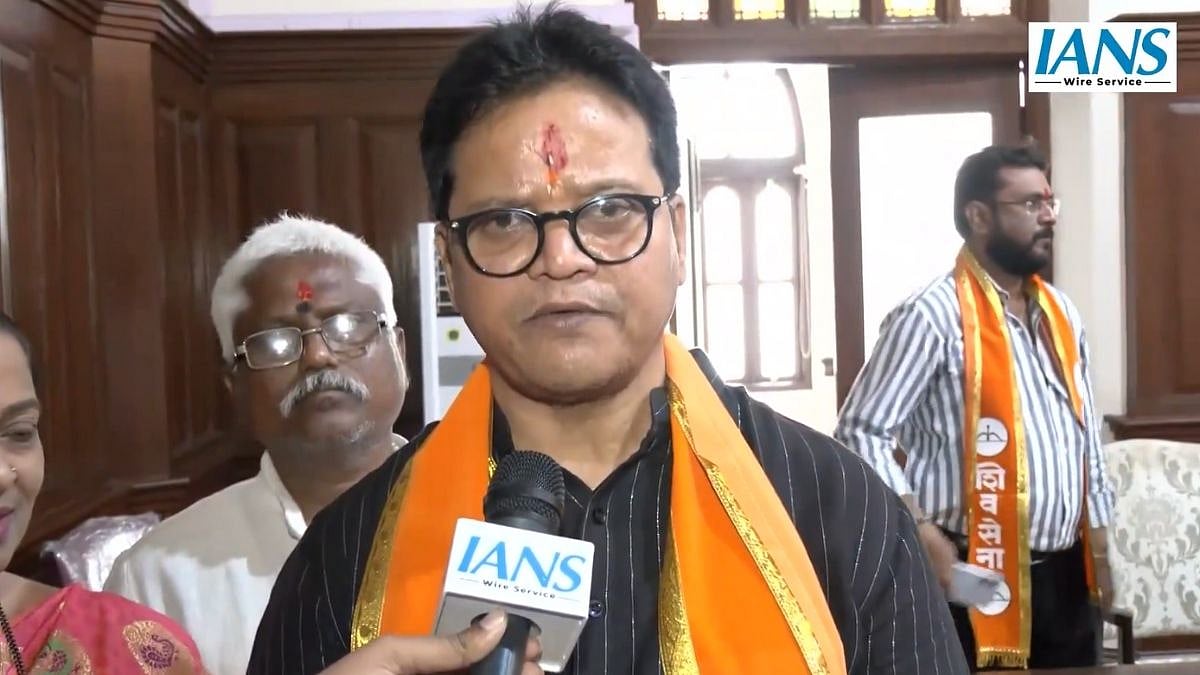
The mayor of Mumbai is elected by corporators from the 227 BMC wards and follows a rotational reservation system for categories like women, SC, ST, OBC or general, with each term’s category decided by a state-conducted lottery. In reality, the ruling party picks its candidate beforehand, turning the vote into a rubber-stamp exercise. Each five-year term produces two mayors, each serving about two and a half years. Though the mayor is officially Mumbai's first citizen, the role is largely symbolic, with no real administrative power. Despite its limited authority, the office carries political weight and public visibility – the mayor represents the city at official events, raises civic issues and becomes the face of Mumbai’s local government.
Prominent mayors
Several Mumbai mayors have made history by breaking barriers and leaving a lasting legacy. SK Patil (1949-1952), former mayor of Mumbai, later served as a Union minister under Jawarharlal Nehru, Lal Bahadur Shastri and Indira Gandhi. Manohar Joshi rose from mayor (1976- 1977) to become Maharashtra Chief Minister and later Lok Sabha Speaker. Chhagan Bhujbal (1985-1986, 1990-1991) went on to serve as Deputy Chief Minister.
These leaders turned the largely ceremonial post into a launchpad for significant political and civic contributions. Mumbai has experimented with a mayoral council in the past. In 1998–99, the undivided Shiv Sena, then in control of the BMC, empowered Mayor Nandu Satam and his council with unprecedented authority. However, the experiment was abruptly ended when the Sena-BJP state government feared the mayor was becoming too dominant, with reports suggesting that a disgruntled bureaucracy played a key role in its downfall.
Women power
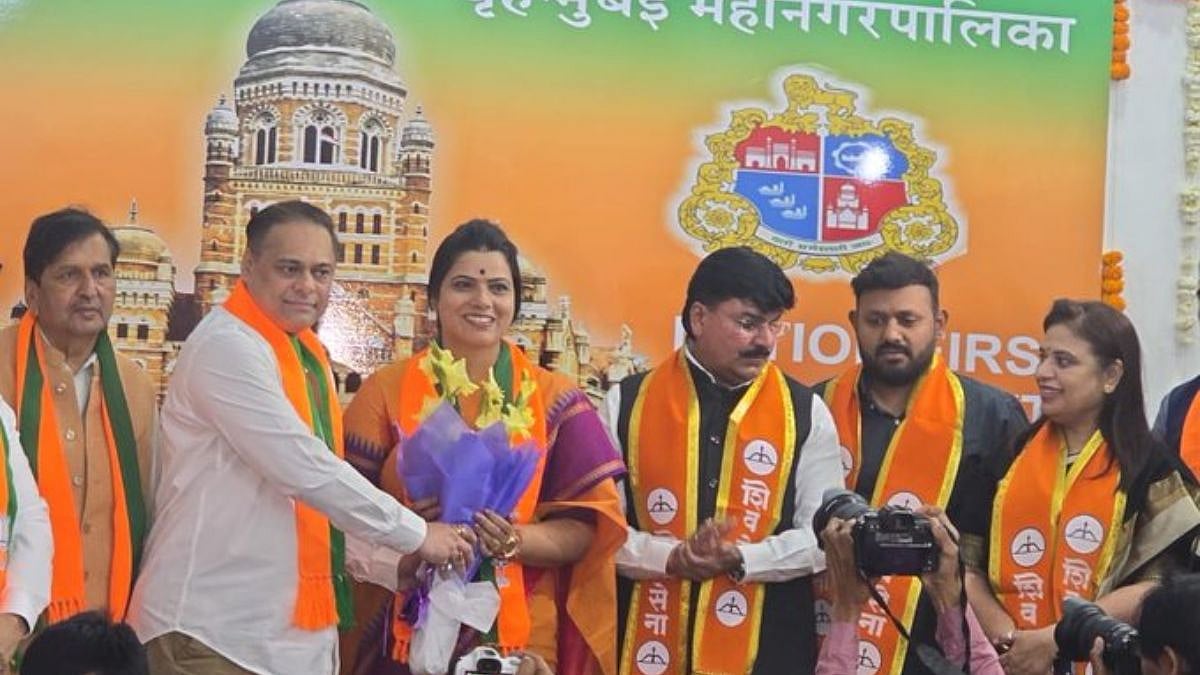
Mumbai is now set to get its 77th mayor, with this year’s mayoral lottery reserving the post for a woman. Despite the city’s long history, only seven women have ever held the office. Sulochana Modi was the first woman mayor of Bombay, serving for just over five weeks from February 23 to March 31, 1956. Other women mayors include Nirmala SamantPrabhavalkar (1994-95), Vishakha Raut (1997-98), Shradha Jadhav (December 2009-March 2012), Snehal Amberkar (September 2014- March 2017), and Kishori Pendekar (November 2019- March 2022). One of the mayors, Dr Shubha Raul (March 10, 2007-November 30, 2009), remembered for her eco-friendly initiatives, such as creating artificial ponds for Ganesh festivals, and for banning hookah parlours during her tenure.
To get details on exclusive and budget-friendly property deals in Mumbai & surrounding regions, do visit: https://budgetproperties.in/

