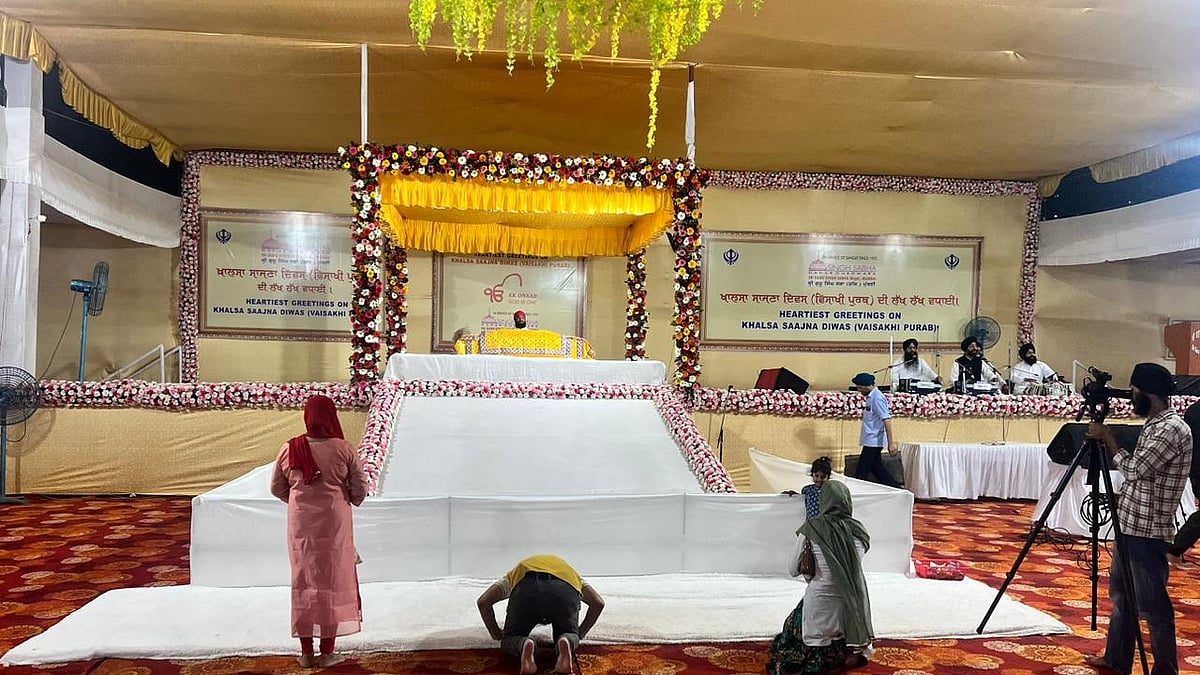
Mumbai: Mumbai is feeling festive with Rongali Bihu and Baisakhi being celebrated today and Vishu celebrations lined up for Saturday.
Rongali Bihu, or Boghali Bihu, is Assamese New Year. Today Assamese in Mumbai meet friends and family and prepare delicacies. Since Friday is a working day, some are looking forward to a proper celebration during the weekend.
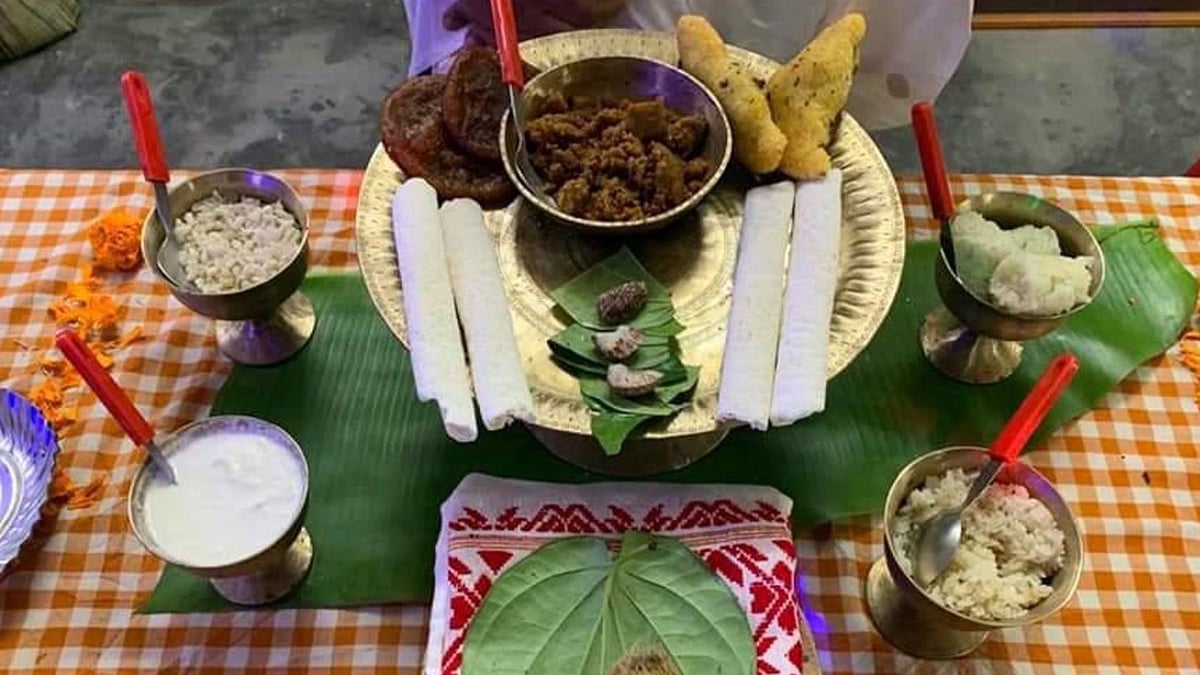
Rongali Bihu programme in Navi Mumbai
“We are planning to have a Rongali Bihu programme on Saturday evening in Navi Mumbai near Assam Bhawan. Every year we do it in rotation. Last time it was in Bandra. The programme will feature Bihu songs, dance and various delicacies that are savoured by the community in Assam on this day,” said Atyujwal Deka, general secretary of The Assam Association Mumbai.
Masor tenga (sour fish curry), morighanta (prepared from head of fish with dal / pulses), rice, coconut pitha in sesame pitha will be some of the delicacies that one will get to have during Bihu celebrations.
Baisakhi festivities begin
With respect to Baisakhi, the celebrations started on Thursday evening itself at Bhakti Park, organised by Sri Guru Singh Sabha, an umbrella body of gurudwaras in the city. Baisakhi, traditionally considered a harvest festival, is historically associated with Sikhism. Today there will be bhajan, kirtan and langar to celebrate Baisakhi.
“It is observed as Khalsa Sajana Diwas or Khalsa’s birthday. In 1699, Guru Gobind Singh-ji gave amrit paan and prepared Khalsa panth,” said Mandeep Singh Ladi.
“Guru Gobind Singh-ji prepared us for Lok Seva on this day. He first initiated Panj Pyare to Sikhism and then asked them to initiate him. It was the first time a guru had asked people to initiate them into the fold. He made us Purna Insan and asked us to set up our own life to be worthy of doing Lok Seva,” said Harbhajan Singh, committee member of Sri Guru Singh Sabha.
Vishu will be celebrated on Saturday. “We have Lord Krishna, rice, mirror, cucumber, clothes, fruits, mango, gold, coins and harvest products in a room. They are Vishu kani images that we see first thing in the morning. The woman of the house normally goes and sees it first thing and then she closes the eyes of other family members and makes them open them once they sit in front of Vishu Kani,” said Lakshmi Sibi Sathyan.


