A 75-year-old retired BMC engineer, seeking to recharge his FasTag account, lost his hard earned Rs3.7 lakh. Calling a fraudulent helpline number found on the internet, the complainant, DG Karvir, was attended by a purported customer support executive, who induced him to download a remote access app on his phone and siphoned money from his bank account.
Karvir, a resident of Thane, retired as an executive engineer from the civic body. On April 4, he wanted to charge his FasTag account to pay for the toll. While recharging, he received a message informing about expiry of the FasTag account’s know your customer (KYC), so he closed the application he was filling.

How the victim got duped
To update the KYC details, he came across a helpline number and raised his concern. After some time, he received a call from a person identifying himself as Aditya Kumar, who asked him to download Anydesk app, which can easily connect and control desktops, smartphones, and other devices remotely via an Android device.
The fraudster then induced Karvir to fill his bank account details such as his debit card numbers, CVV numbers and their expiry details on the app. On the pretext of a problem with the network, Kumar asked to suspend the procedure and disconnected the call. On April 5, Karvir received a message of debits from his bank accounts.
₹3.70 lakh debited from victim's accounts
Karvir checked his net-banking app and then visited his bank where he learnt that Rs3 lakh had been debited from his pension account and Rs70,000 from another account. Having realised that the fraudster, under the pretext of helping him with KYC and recharge, had siphoned the amount.
The police have registered a case under sections 66C (identity theft) and 66D (cheating by personation by using computer resources) of the Information Technology Act.

Mumbai Cyber Safe:
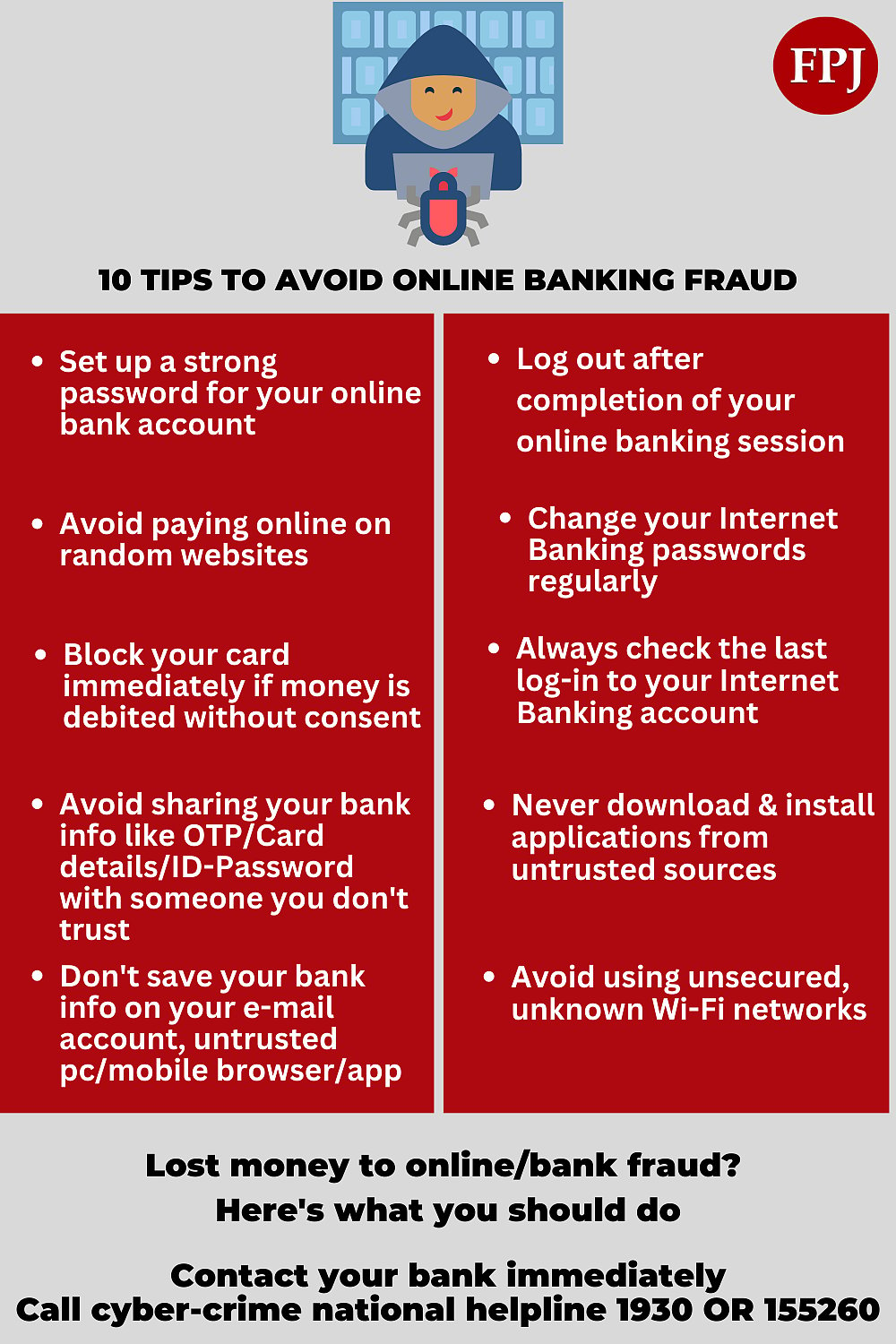
According to Cyber Crime Cell under Crime Branch of mumbai police , the most common form of online frauds are related to banks, online commerce platforms where fraudsters, posing as bank /platform officials, convince the victim to share OTP, KYC updates and sometimes send the links to be clicked to access bank accounts.“People should know that no bank or institution is authorised to demand for bank details or PIN numbers. Unfortunately, educated people are falling prey to online frauds and losing lakhs of rupees,” explained DCP Cyber Crime , Balsingh Rajput