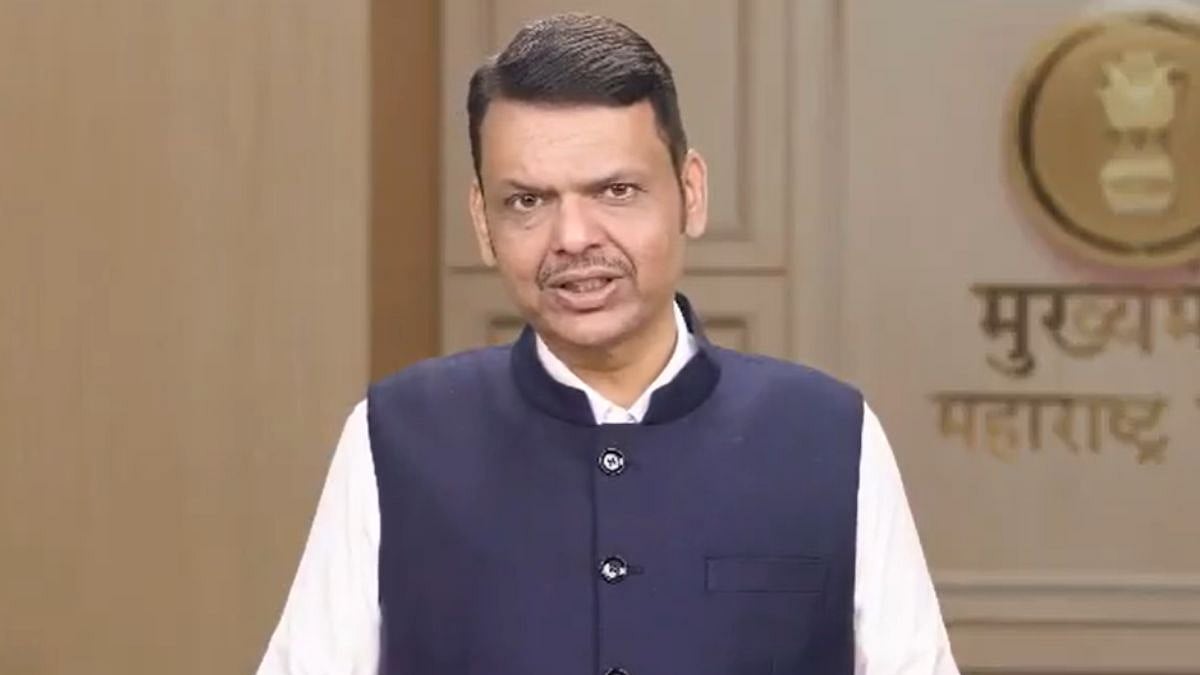
Mumbai: Chief Minister Devendra Fadnavis has stressed the need for detailed planning to provide employment, foodgrains, drinking water and fodder to farmers, agricultural labourers and rural residents affected by drought over the next six to eight months. He conducted meeting with the central government team which is on draught tour in Maharashtra.
He said the state government was prioritising technology-driven planning to ensure relief reaches those in need.
Fadnavis was speaking at a meeting with the Central Drought Assessment Team at his official residence, Varsha, on Sunday. He expressed confidence that the team would submit a comprehensive report on the drought situation to the Union government after conducting extensive field visits to affected areas.
Discussions at the meeting were attended by Disaster Management Minister Girish Mahajan, Agriculture Minister Dattatraya Bharne, Relief and Rehabilitation Minister Makarand Jadhav Patil, and the central team's head, Muktnand Agrawal, among other officials.

The Chief Minister said the state had initially expected a record agricultural output following good rainfall during the first two months of the monsoon. However, a nearly two-month dry spell when crops were at the flowering stage severely affected agriculture. Soybean suffered extensive damage, while cotton, tur, and sugarcane were also affected.
With inadequate water availability, farmers are unlikely to make up for their kharif losses through rabi or summer crops. The situation has also affected small farmers dependent on agricultural labour for their livelihood. The government will therefore focus on employment generation and food security schemes to support affected families, he said.
Drinking water to get priority
Fadnavis said several water sources, particularly in small rural villages, had dried up, necessitating extensive tanker-based supply. The government is developing a technology-enabled system to ensure transparent and planned water distribution to every village.
The state has reserved available water for drinking purposes until August 2027, with separate provisions for people and livestock. Water will be made available for other uses only after these requirements are met, he said.
Water bodies to be revived
The government will undertake desilting, repairs and rejuvenation of water bodies under various central and state schemes. Similar work carried out in 25,000 villages earlier had provided relief even when water deficits reached 15–17%, Fadnavis said. Software and mobile applications will be used to ensure transparency in implementing such works.
Fodder supply and employment
The current fodder stock in various districts is estimated to last 90–120 days. The government plans to increase fodder production in areas where soil moisture is available and procure fodder at government-declared rates for storage. It may also source fodder from other states if required.
Fodder camps and cattle camps will be established wherever necessary to protect livestock. Rural residents will also be involved in watershed development, including repairing existing structures and constructing new ones under the ridge-to-valley approach. These works will generate local employment while helping communities cope with the crisis, he said.
Fadnavis said the state would submit a detailed, data-based memorandum in accordance with the Centre's norms. The Union Agriculture Minister had contacted the state regarding an advance memorandum, which had been submitted. The Union Home Minister had also assured that an inter-ministerial group meeting would be convened soon to expedite the relief process.
The state would work with the Centre to ensure that farmers covered by crop insurance receive their claims at the earliest, despite relatively low insurance coverage, he added.
Central teams visited drought-affected villages in Ahilyanagar, Solapur, Jalna, Beed, Dharashiv, Washim and Yavatmal districts, inspecting farms and water sources and interacting with farmers to assess the ground situation.
To get details on exclusive and budget-friendly property deals in Mumbai & surrounding regions, do visit: https://budgetproperties.in/

