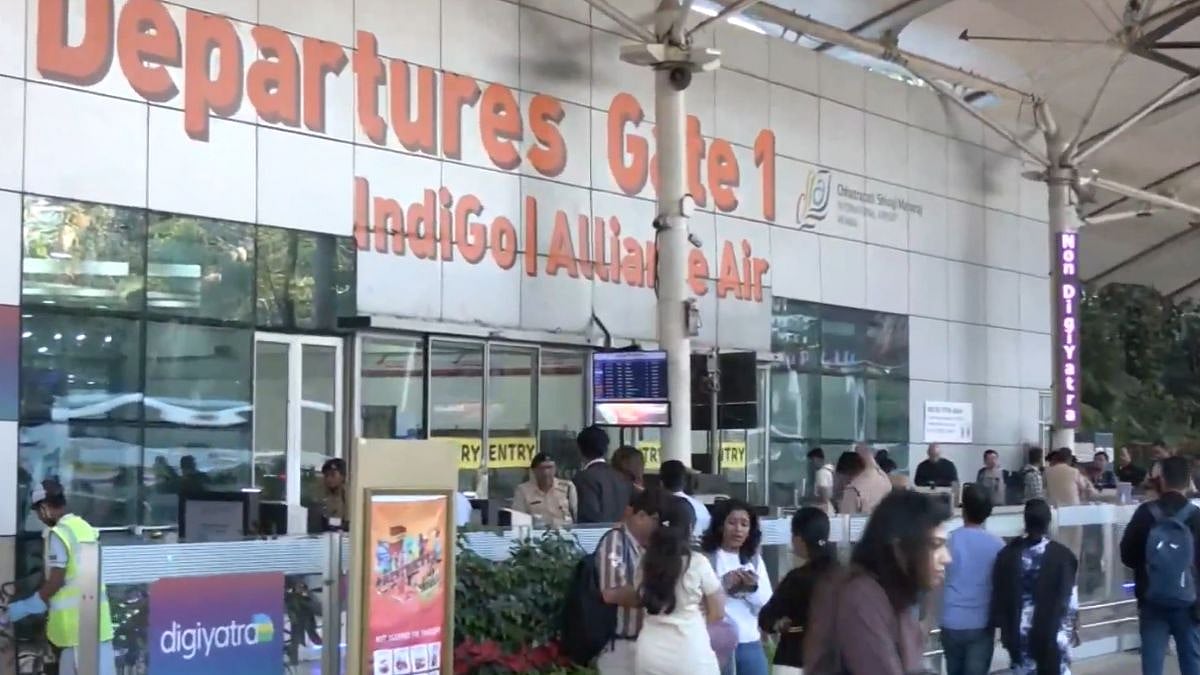
Mumbai: Mumbai’s air travel operations remained disrupted on Tuesday as IndiGo’s nationwide aviation crisis stretched into its eighth consecutive day, causing large-scale cancellations and commuter chaos across the country. But Mumbai, one of IndiGo’s busiest and most critical hubs, continued to bear a brunt of the meltdown, with passengers facing uncertain schedules and repeated last-minute cancellations.
By 9:30 am, Chhatrapati Shivaji Maharaj International Airport had already logged 31 IndiGo cancellations, including 14 inbound flights and 17 outbound departures. Long queues, anxious passengers and repeated rescheduling announcements dominated Terminal 2 through the morning peak hours, leaving thousands scrambling to adjust their plans.
Across India, more than 200 IndiGo flights were cancelled today. Bengaluru topped the list with 121 cancellations, followed by Hyderabad (58), Chennai (41) and Kerala with four, as reported by Hindustan Times. But for Mumbai passengers, many of whom rely on IndiGo for frequent business and leisure travel, the interruptions continued to be especially disruptive.
The turmoil, which began last Tuesday, has snowballed into a full-blown operational crisis. Over 4,500 flights have been cancelled between last week and Monday. Even though IndiGo claimed on Sunday that operations were 'stabilising,' the airline saw over 500 fresh cancellations on Monday alone, leaving passengers stranded overnight at multiple airports, including Mumbai.
What Led To IndiGo's Major Meltdown?
The root of IndiGo’s meltdown has been linked to the airline’s inability to implement the second phase of India’s updated Flight Duty Time Limitations (FDTL), which came into effect in November. The revised norms, aimed at cutting pilot fatigue and extending rest periods, required IndiGo to restructure crew rosters. However, the airline has reportedly been struggling with a pilot shortage, leading to a mismatch between the new regulations and its available manpower.
To reduce pressure on airlines and mitigate the ongoing disruption, aviation regulator DGCA temporarily relaxed certain night-duty and weekly rest requirements for pilots. This relaxation is expected to help airlines stabilise operations through emergency rostering flexibility.
IndiGo Didn't Flag Issues Before Chaos: Civil Aviation Minister
Civil Aviation Minister Ram Mohan Naidu told Parliament that IndiGo did not raise any concerns during a crucial meeting on December 1, just a day before the cancellations spiralled. He attributed the chaos to the airline’s internal system rather than regulatory pressure.
The government has now decided to sharply cut IndiGo’s winter schedule. The airline, which operates 2,200 flights a day and commands nearly 60 per cent of the domestic market, will see its schedule curtailed, with several routes handed to other carriers to prevent further passenger inconvenience.
To get details on exclusive and budget-friendly property deals in Mumbai & surrounding regions, do visit: https://budgetproperties.in/

