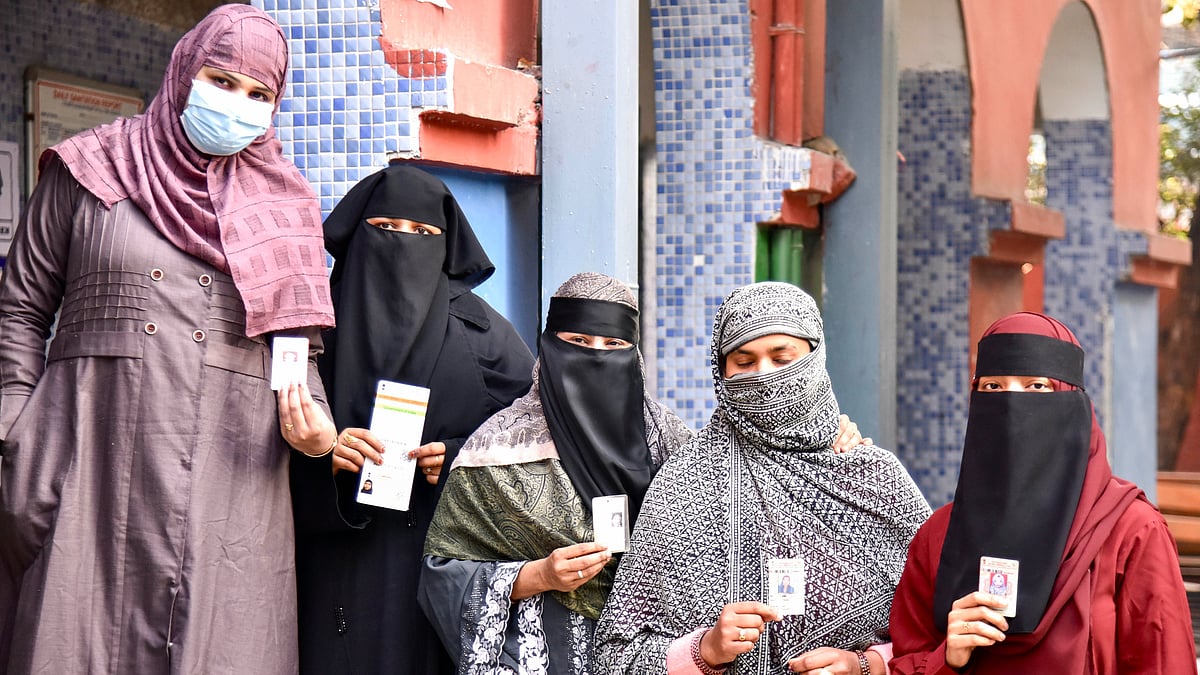
The Samajwadi Party (SP) from Uttar Pradesh made a splash in Mumbai in the aftermath of the 1992-93 riots, drawing Muslim votes away from the Indian Union Muslim League (IUML) and replacing them as the dominant self-declared representative of Muslim interests in the Brihanmumbai Municipal Corporation (BMC). After the 2026 municipal elections, the All India Majlis-e-Ittehadul Muslimeen (AIMIM) from Telangana appears to be on the verge of similarly dislodging the Samajwadi Party from its three-decade foothold in the city.
AIMIM’s Electoral Surge
The AIMIM secured eight seats, including one represented by a non-Muslim, notably sweeping seven of those in the Govandi area—a long-standing stronghold for the Samajwadi Party. The SP’s presence in the corporation dwindled from five seats to just two, indicating a significant migration of their traditional voter base toward the Asaduddin Owaisi-led party. This was not just a Mumbai phenomenon; AIMIM won 125 seats across Maharashtra, signaling its evolution from a "spoiler" to a primary stakeholder in urban local bodies across the state.
IUML’s Rise And Decline
In the 1970s, the IUML was a significant force in the BMC, with some of its 11 members helping Shiv Sena corporator Manohar Joshi—who later became Chief Minister—to become the mayor. The IUML faded away following the riots triggered by the demolition of the Babri Masjid. Yusuf Abrahani, a former Congress MLA and former IUML corporator, noted that the stringent Terrorist and Disruptive Activities (Prevention) Act (TADA) was introduced during that era, and Abu Azmi (now an MLA and president of the Maharashtra unit of the Samajwadi Party) was accused under the law.
Mulayam’s Mumbai Moment
"There was a feeling that there was no one to look after the interests of Muslims. Mulayam Singh, the Samajwadi Party Chief Minister in Uttar Pradesh, visited Mumbai and said he would support the Muslims. People believed him as he had allowed the police to fire on karsevaks during the agitation against the Babri Masjid. Azmi joined him. I was the last person to leave the IUML. The party grew day by day. We have now suffered a setback after the sudden invasion of AIMIM," said Abrahani.
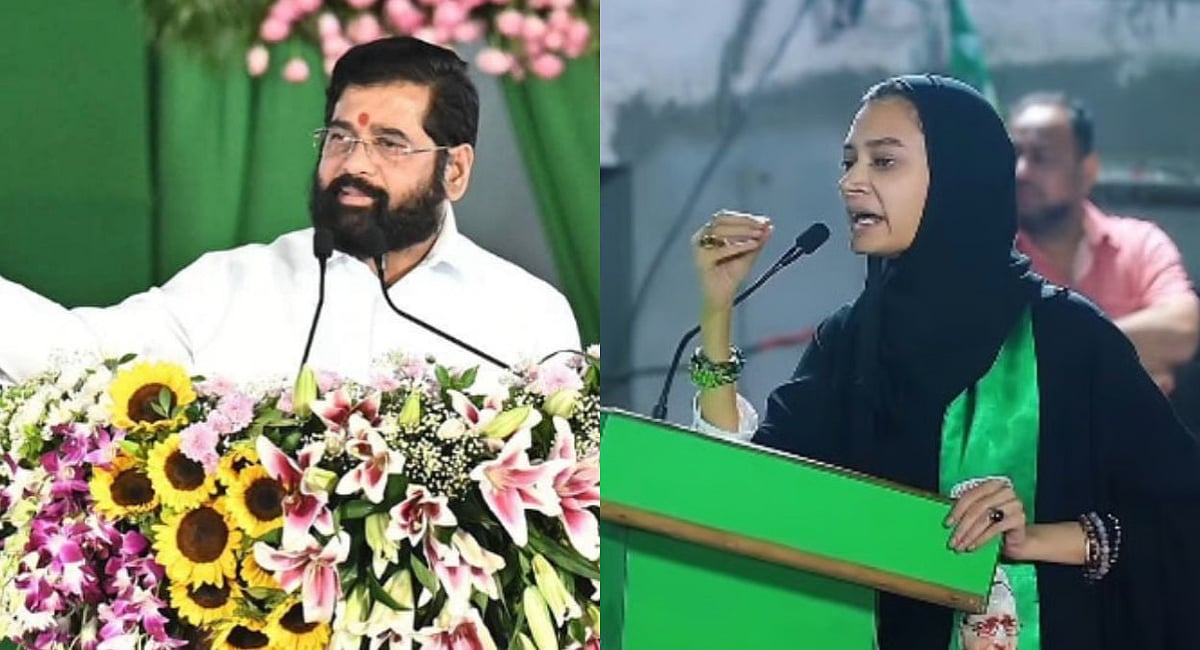
Also Watch:
Youth And Provocative Politics
Abrahani argued that Samajwadi Party leaders cannot match the "explosive" speeches of AIMIM workers. "We cannot give those provocative speeches. We are a secular party; we also have a non-Muslim vote bank in Uttar Pradesh," said Abrahani, who pointed out that the AIMIM won most of its seats in the Govandi-Mankhurd area. "In other areas, their candidates lost their deposits. It is largely the youth who have voted for AIMIM. I would not say they are uneducated, but the AIMIM appealed to them," Abrahani added.
Gen Z Influence
Abid Abbas Sayyad, an advocate from Govandi who campaigned for the Aam Aadmi Party, characterized some of these new voters as "Gen Z people who spend most of their time watching social media."
"They listen to the speeches by AIMIM leaders. They look at social media reports of atrocities against different communities. Many of these reels could not be unverified, but these voters are not politically mature. The Govandi results are shocking," said Sayyad. He argued that it is in the Bharatiya Janata Party's (BJP) interest for Muslim votes to consolidate in favor of one party. "It will then be easy to get support from Hindus who are not currently voting for the party. It has happened in Bihar. It happened in Mumbai and it will happen in Uttar Pradesh. The BJP benefits if AIMIM becomes a national force," Sayyad added.
Caution Against Overreach
Others, such as social worker and journalist Salim Aware, caution against over-reading AIMIM's success. "Of 227 seats, the AIMIM won eight, and all these are concentrated in two assembly segments. It would have been another matter if they had won 20 to 25 seats. Mixing religion and politics is not a good thing, though one of the AIMIM winners is a Hindu," said Aware.
Also Watch:
Muslim Vote Still Diverse
Saeed Hameed, a senior Urdu journalist, said the most notable fact about Muslim voting in the municipal elections is not the victory of AIMIM candidates. "The remarkable thing is that out of the 30 Muslims elected as corporators, only seven are from AIMIM. The other 23 are from Congress, Shiv Sena, Shiv Sena (UBT), the two NCPs, and the Samajwadi Party. Muslims are still voting for secular parties," said Hameed. He agreed, however, that there has been a shift in Govandi.
"These votes are from youngsters—a trend visible in the assembly elections in 2024 when the AIMIM received substantial support in Govandi (Mankhurd-Shivaji Nagar). In the rest of the city, Muslims voted for other parties. The Congress is estimated to have received 40% of the Muslim votes. The AIMIM has been trying to get a foothold in the city since 2014."
To get details on exclusive and budget-friendly property deals in Mumbai & surrounding regions, do visit: https://budgetproperties.in/
