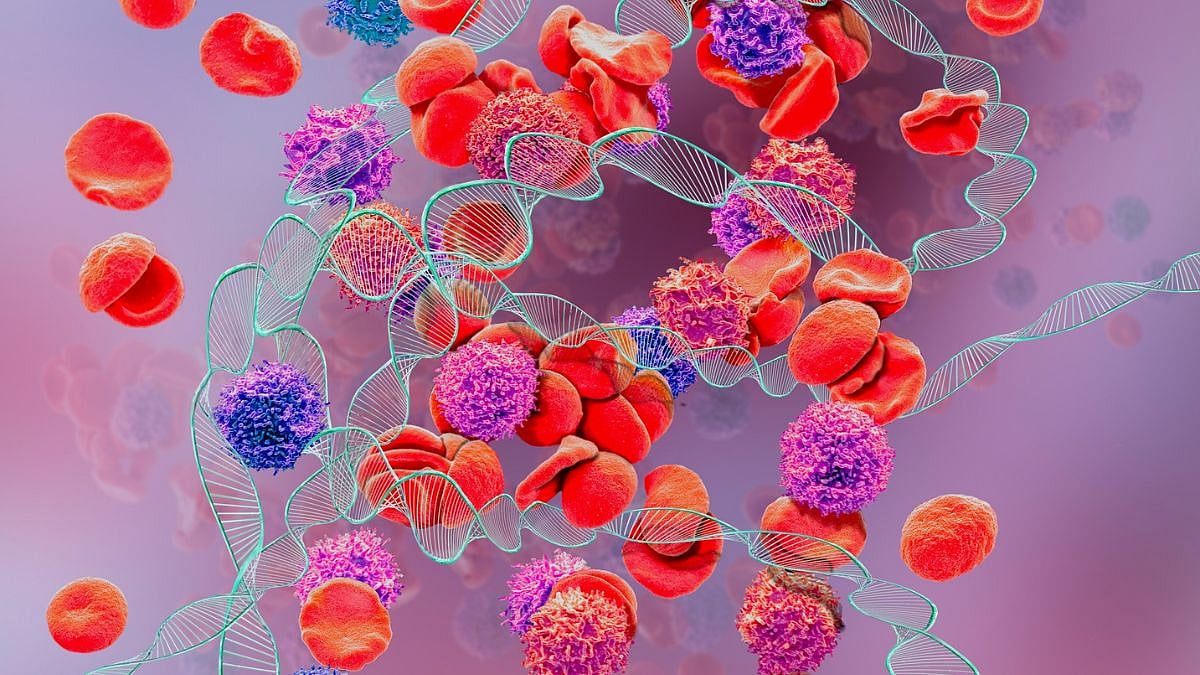
Many people have heard of thalassaemia. India has the highest number of thalassaemia major patients in the world, with about one lakh cases. There are also 35 to 45 million beta-thalassaemia carriers in the country. World Thalassaemia Day, observed on May 8, raises awareness about this genetic blood disorder and remembers those who have lost their lives to it. Here, we will look at what thalassaemia is, how Ayurveda can help manage its effects, and which Patanjali products may be helpful for patients.
Understanding Thalassaemia
An inherited blood disorder, thalassaemia, occurs when genetic mutations lower the blood’s haemoglobin production. Patients face symptoms like anaemia, tiredness, delayed growth, an inflamed spleen/heart/liver, dark urine, bone deformities, and organ failure due to excess iron. Most are affected because either of their parents is a patient or a carrier.
There are two types of thalassaemia. The first is alpha, involving alpha-globin genes. The second is beta involving beta-globin genes and is divided into Thalassaemia Major, moderate Thalassaemia Intermedia, and mild Thalassaemia Minor. Treatment includes regular blood transfusions depending on the severity, iron chelation therapy to remove excess iron, and bone marrow transplant.
According to Ayurveda, thalassaemia results from a fault in bheeja, or the genetic source. It has no cure but is manageable with treatments to lower blood transfusion dependency, boost blood quality, etc. Thus, include Ayurvedic solutions to live a healthy life. Ensure Patanjali products are part of that solution.
4 Simple Ayurvedic Ways to Manage Thalassaemia
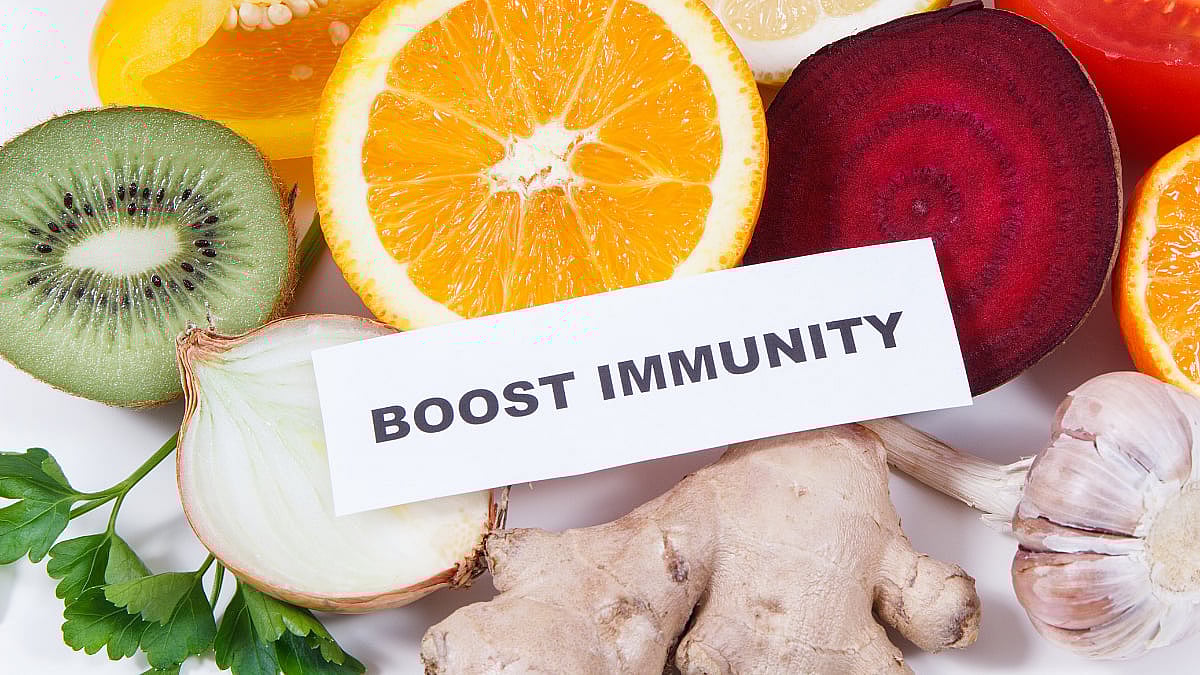
Herbal Solutions: Ashwagandha boosts immunity and total energy levels. Amla is high in vitamin C and antioxidants, and thus, lowers iron toxicity while keeping the liver healthy. Giloy lowers stress and increases red blood cell production. Triphala acts as a natural chelator to lower excess iron.
Dietary Solutions: Have strict control or limitation over iron-rich foods to avoid calcium overload, especially if going for regular blood transfusions. Include cooling or sweet food for a healthy liver, like coconut and strawberries. Stay hydrated with water and fruits with high water content. Increase calcium- and vitamin D-rich foods in the diet to keep the bones healthy.
Lifestyle Solutions: It is essential for patients not to exert themselves. Include light exercises like light Yogasanas, swimming and light walking. Maintain hygiene levels to avoid falling sick. Avoid drugs, alcohol, and smoking, as they can affect the liver and heart, already affected by iron overload.
Medicinal Solutions: Stay updated in terms of treatments, blood transfusions, and doctor visits. Monitor the iron levels since excess iron can harm health and treatment. Manage fatigue, since it affects health. So, follow a schedule that doesn’t overwhelm the patient.
Include Patanjali products to manage health amidst thalassaemia-related issues. Divya Kaharwa Pishti (5 Gms) contains rose and kaharuva. This Ayurvedic formula treats blood-related disorders with its haemostatic and Pitta-controlling assets. It treats excessive bleeding, manages body heat, purifies the blood, and boosts digestive health to lower blood-related problems.
Or consume Divya Giloy Sat (5 Gms and 10 Gms). It boosts the immune system, reduces weakness, develops red blood cells, boosts blood circulation and platelet levels, cleanses the system, keeps the liver working well to fight regular transfusion effects, and lowers inflammation.
Divya Mukta Pishti (2 Gms and 3 Gms) helps manage anaemia and excess iron. It increases the energy levels by boosting the immune system. It keeps the heart healthy, which is otherwise harmed by iron overload. It treats blood disorders and improves the red blood cell integrity. Bone health is also supported. Its ingredients include shuddha basra moti, lemon, and rose.
Every thalassaemia patient should keep a promise to stay healthy with Ayurveda and Patanjali products on World Thalassaemia Day on May 8.
