
Mental wellbeing is shaped not just by major life events but also by the small choices we make every day. From getting enough sleep to making time for loved ones, simple routines can help us manage everyday stress and support emotional health.
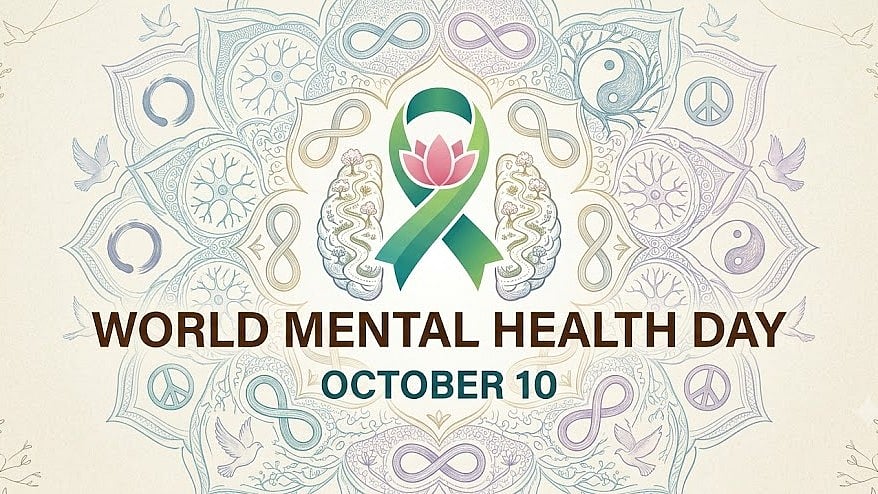
Observed on October 10, World Mental Health Day 2026 carries the theme “Lived experiences heard: real voices, real change,” highlighting the importance of listening to people and involving them in decisions about mental healthcare.
Here are five everyday habits that may help support mental wellbeing:
Make walking part of your routine

A short walk outdoors can be a simple way to break up a demanding day. Regular physical activity can help improve mood, reduce short-term feelings of anxiety and support better sleep, according to the US Centers for Disease Control and Prevention. Start with a manageable walk and gradually build consistency.
Protect your sleep schedule

Sleep and mental health are closely connected. Try to go to bed and wake up at similar times each day, reduce screen use before bedtime and create a quiet, comfortable sleeping environment. As per multiple health reports, adults generally need at least seven hours of sleep each night.

Take a few minutes to breathe mindfully

Set aside five minutes to slow down, focus on your breathing and notice your thoughts without immediately reacting to them. Mindfulness and meditation may help with stress management and relaxation. They can be practised while sitting quietly or taking a mindful walk.
Make space for activities you enjoy

Reading, gardening, listening to music, cooking or pursuing a creative hobby can offer a welcome break from daily pressures. The National Institutes of Health also recommends making time for enjoyable activities and practising gratitude as part of emotional wellness.
Stay connected with people you trust

Make time to call a friend, share a meal with family or speak openly with someone you trust. Supportive social relationships can help people cope with difficult experiences and are associated with better emotional and physical wellbeing.
A reminder about professional support
These habits can support wellbeing, but they are not substitutes for professional care. If emotional distress persists or starts affecting daily life, consider speaking with a qualified mental health professional.
Disclaimer: This article is for informational purposes only and should not be considered a substitute for professional medical advice. Always consult your doctor for any concerns or questions regarding your health or medical condition.

