
A cold feeling in the sole of the foot is often due to poor circulation, exposure to cold, or an underlying medical condition like diabetes or anemia or nerve problem. It can also result from stress, fatigue or certain vitamin deficiencies like B12.
Symptoms
Persistent cold or chilly sensation in the sole of the foot
Numbness or tingling sensation
Sensation of burning or pins and needles
Pale or bluish discoloration of the sole
Sometimes accompanied by pain or discomfort, especially when walking or standing
In severe cases, weakness in foot movement or difficulty in balance
Causes
Due to Peripheral Artery Disease (PAD) or narrowed blood vessels reduce blood flow to feet and common in people with diabetes, high blood pressure, or smokers
Hyperthyroidism
Chronic stress and anxiety can cause vasoconstriction, means reduced blood flow to extremities
Vitamin Deficiencies mainly B12
Structural foot problems like flat feet, plantar fasciitis, or tight footwear may contribute to nerve impingement
Home remedies
To improve circulation, perform regular foot exercises
Avoid crossing legs for prolonged periods
Gentle daily foot massages stimulate blood flow
Use warm oil (like mustard, coconut) for massage
Soak feet in warm water for 15–20 minutes
Wear comfortable, well-fitting shoes with proper arch support
Use wool socks in cold weather to maintain warmth
Increase intake of iron-rich foods
Daily walking or mild exercise boosts circulation
Avoid prolonged sitting or standing
Practice relaxation techniques like deep breathing, meditation, yoga
Sujok Therapy
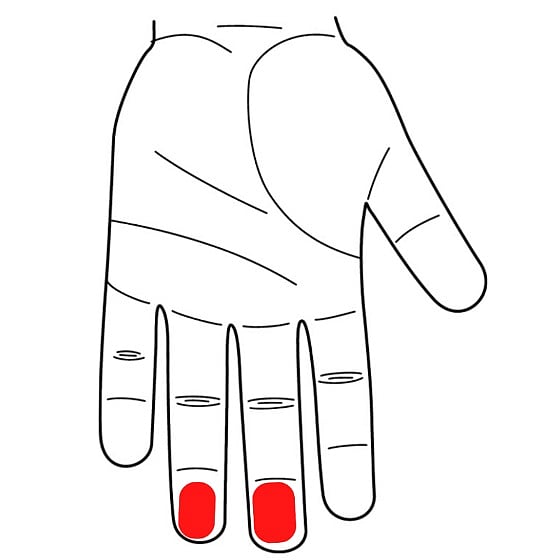
Massage five to 10 minutes on highlighted area (see figure). Apply red colour on the are and follow it up with sarson seeds. Hold them in place with a medical adhesive tape. It should be tight. Keep them on for two hours. Remove if discomfort.
If problem persists or escalates, consult a health care professional.
(Rajshree Vora is an obesity consultant, dietitian and nutritionist, Sujok therapist, counsellor, and yoga therapist. You can write to her at enquiry@rajshreeyoga.com)

