Once associated with rebellion, crime and an underground subculture, tattoos have come a long way in India. Today, ink is no longer just something etched onto skin; it has become a canvas for stories, milestones, beliefs and identity.
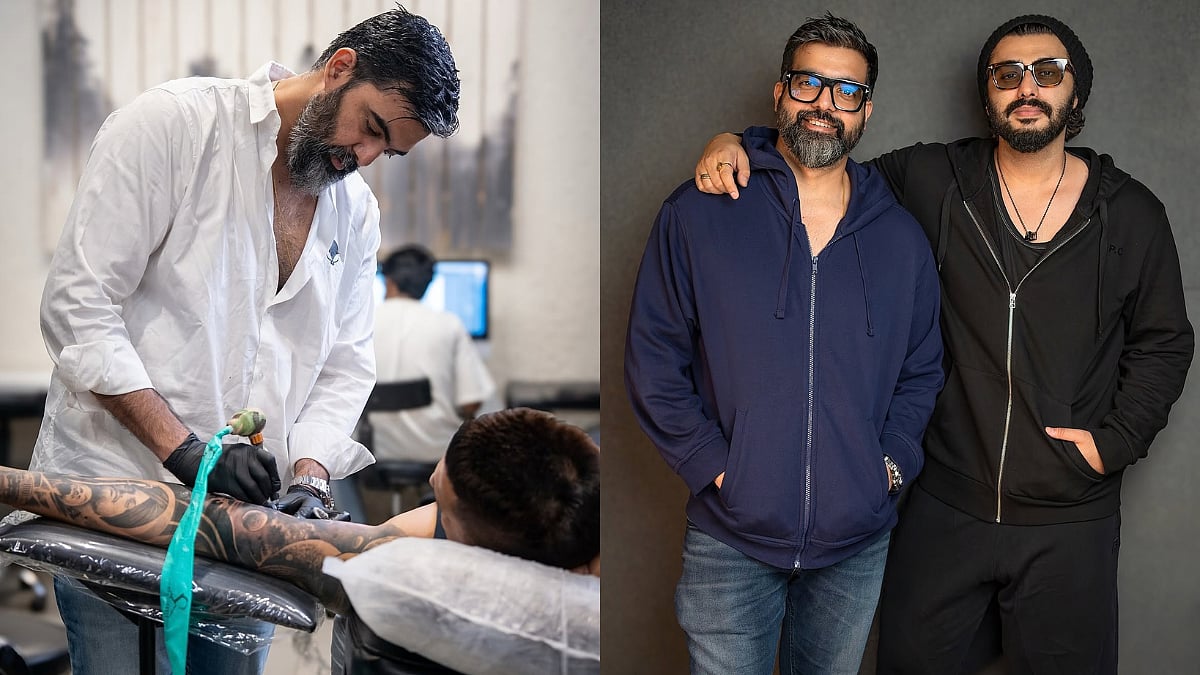
Sunny Bhanushali, the celebrity tattoo artist behind striking pieces for Virat Kohli, Hardik Pandya and Kriti Sanon, and founder of Aliens Tattoo, has witnessed this transformation up close. In an exclusive conversation with The Free Press Journal, he opens up about the evolution of India’s tattoo culture and the trends shaping the art form today.
From underground art to mainstream culture
When Bhanushali entered the tattoo industry, the profession came with a very different image.
“When I started, it was always seen as underground art connected to crime and drugs,” Bhanushali recalls. “People had this weird idea of tattoo artists being pierced and having dreadlocked hair. I always wanted to change that image and bring this into the mainstream.”
Over the years, he says, that perception has shifted considerably. Tattooing is now increasingly viewed as a creative profession and a legitimate career rather than something belonging to the fringes of society.
“We actually take some credit for it, but it has changed a lot, not just a little bit,” he says. “People see this as a mainstream career as well, and people see this as something which is more respectful and not related to drugs, crime and all that stuff.”
The changing perception has also opened the door for a wider demographic to explore body art. Bhanushali has particularly noticed a rise in the number of women getting tattoos.
“Women are getting more tattoos, more and more tattoos. The number has gone up percentage-wise. We used to see 10 per cent. Now it is 30 per cent,” he says.
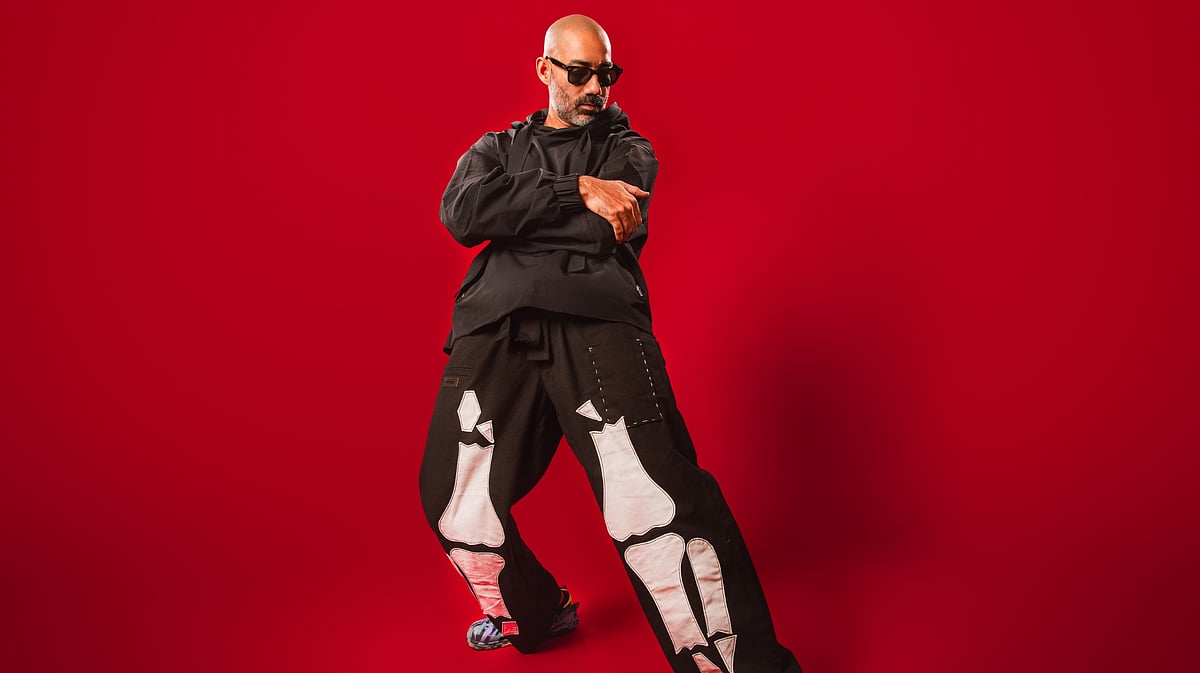
He attributes part of this shift to tattooing becoming more visible in popular culture.
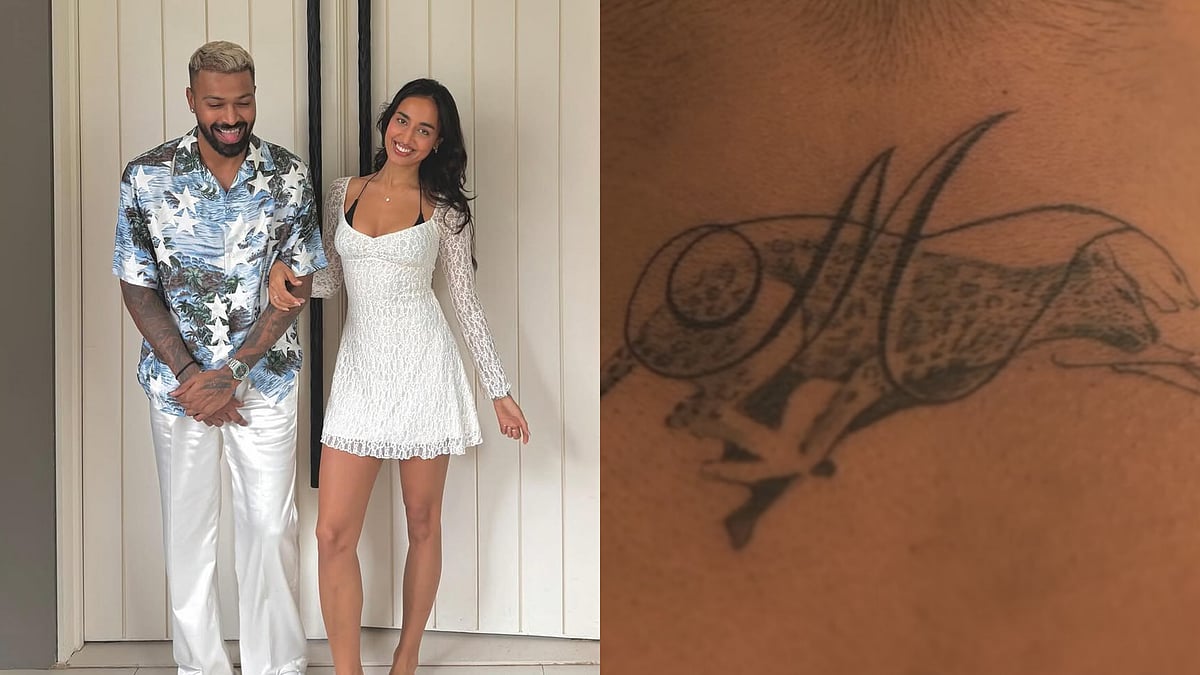
“I think the culture is more open now, and people are kind of accepting this art form. It has become mainstream. People see film stars and cricketers, and everybody’s getting it, so it is becoming mainstream, and people are okay with it.”
Bhanushali, however, draws a distinction between contemporary tattoos chosen for personal expression and traditional forms of tattooing that have historically been part of certain communities.
“Women, especially, used to get it after marriage. That used to be like a tradition,” he says. “That has cultural relevance. It also had its own significance, but it’s not about personal stories. It’s the ritual culture; that’s the format that they follow for getting a tattoo.”
Gen Z is more open, but tattoo size hasn’t changed much
As tattooing becomes more commonplace, younger generations are also approaching body art with greater openness. According to Bhanushali, Gen Z is more comfortable using tattoos as a form of self-expression and needs less external approval before making the decision.
“Gen Z and plus-plus will be more open and more expressive. They need less permission from parents and people,” he says.
There is also a popular perception that Gen Z is driving the tiny-tattoo trend. But Bhanushali says the difference in tattoo size between younger customers and millennials is not as pronounced as one might assume.
“We thought that the size of the tattoo that millennials used to consider versus Gen Z would be different, but our study says that it is the same.”
What often changes is how people begin their tattoo journey. A smaller design can serve as an introduction before someone gradually adds more pieces.
“A small tattoo is an entry point for people. It starts small, then they just keep adding it, and the overall size goes up,” he explains.
Ink brings stories, healing
Despite the influence of fashion and changing tattoo trends, Bhanushali believes the fundamental reason people get inked has remained relatively consistent: the story.
“Tattooing was always about expression. People express and all tattoos have meaning,” he explains. “When it comes to trends, fashion and aesthetics, it is always number two. Number one is always some reason, meaning. There is always a deep story. Ninety-nine per cent of people have stories behind the tattoo. Then comes the aesthetics, as far as an eye or a case of fashion is concerned.”
For him, that emotional connection is also part of why one tattoo can eventually turn into several. He describes the experience of getting inked as something that can feel emotionally releasing.
“The tattoo has this healing element. The moment you get a tattoo, there is a release of energy,” he says. “It’s not physical energy, but something which is nervous-system-related, emotional energy. The moment you get a tattoo, you feel nice, you feel better, and you feel lighter.”
That feeling, he says, can eventually become part of why people return for another piece.
“Every time you feel loaded again, heavy again, you have this urge or craving to get a tattoo because that releases it, and it’s always a mark, a milestone, something.”
Bhanushali compares that emotional symbolism with other objects people use to mark important moments in their lives.
“The moment you buy a watch which is ₹5 lakh-plus, it’s a mark for yourself that something tells about you. It’s an expression again. So you find things to express. Tattoo is one of the mediums of expression.”
He adds, “It doesn’t change anything as such, but emotionally and on your nervous system, it affects you. Subconsciously, you’re much better after you get it.”
But why do many still hesitate?
While acceptance has grown, getting a tattoo remains a major decision for many first-timers. According to Bhanushali, health concerns continue to be one of the biggest reasons people hesitate.
“People have the idea that tattoos can cause health issues, AIDS or skin cancer, all that stuff. So that’s the number one reason,” he says.
The second concern is permanence. Once someone chooses a design and gets it inked, reversing that decision is not straightforward.
“The second reason is people are not sure about the design. I can make it permanent. There is no way to go back, right?”
These concerns, he says, continue to influence how people approach their first tattoo, even as the overall culture becomes more accepting.
2026 trends and how Indian stories continue to rank
While the reasons behind tattoos may remain personal, aesthetics continue to evolve. For 2026, Bhanushali says minimalism remains one of the strongest directions he is seeing, although the word does not necessarily refer to tiny tattoos.
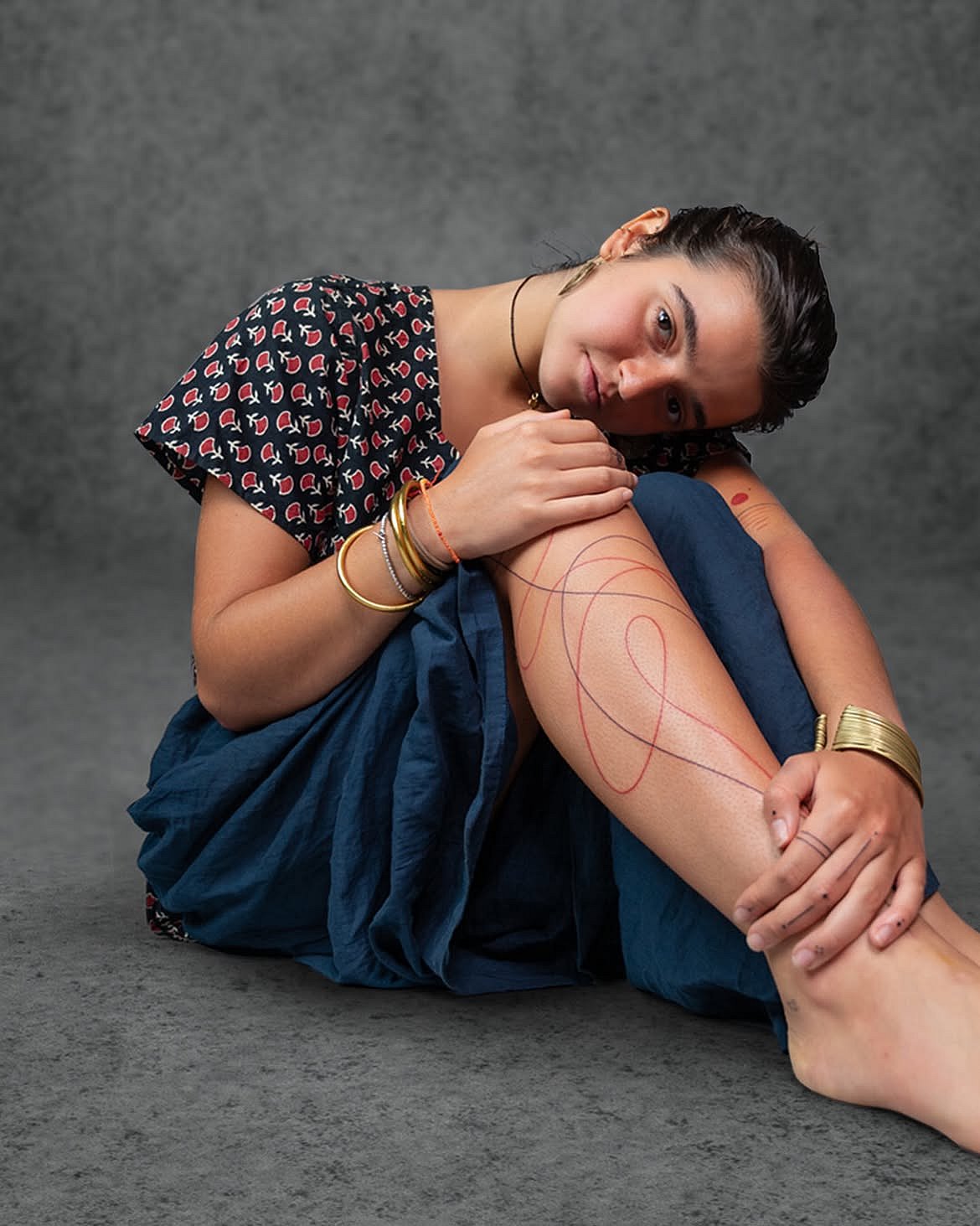
“Very big, in fact; it has been for the last three years. It is minimal tattoos,” he says. “When I say minimal, not small. I mean, it can be large. It can be as big as the entire arm but still minimal.”
The defining characteristic, according to him, is the treatment rather than the size.
“More aesthetically, it is cleaner, simpler, and more meaningful. So minimalism is hot right now.”
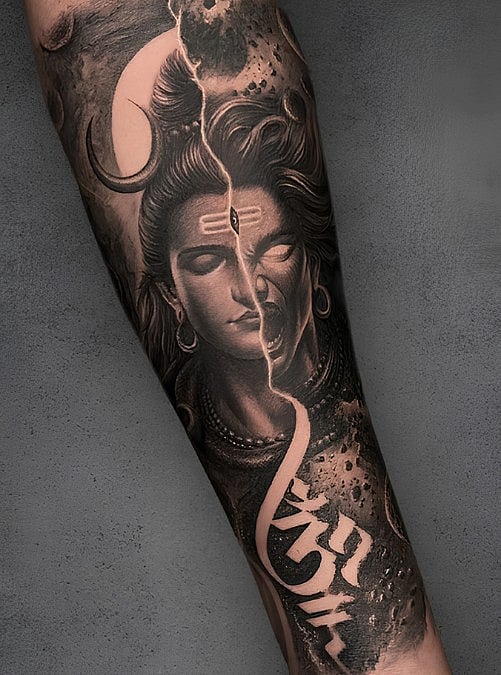
Beyond minimalism, religious imagery continues to feature strongly in tattoo requests. Shiva-related designs, in particular, remain at the top of his list.
“Shiva-inspired tattoos are at the top. Above everything, I would say all the time, it’s number one,” he added.
Religious tattoos more broadly continue to attract interest as well.
“Third, again for years, religious tattoos. It can be as simple as, again, minimalism, Devi and Brahma and Vishnu and all that stuff.”
Alongside minimalism and religious imagery, Bhanushali has observed another noticeable shift: more people are turning towards Indian culture, mythology and history when looking for tattoo inspiration.
“People are more inclined towards our own stories,” he says. “People want to get our stories, our gods, and our history, and you will see across India, especially in the tattoo world, the tattoo industry.”
He sees this as a change from an earlier period when Western characters, philosophies and symbols were more common sources of inspiration.
“Earlier, Western characters or elements were there. Western philosophies, zodiac signs, and zodiacs are Chinese and Japanese, but now if you see, all those same stories but everything Indian.”
For Bhanushali, the growing interest in Indian imagery is less about one particular trend and more about the way people are choosing to connect their identity and heritage with their tattoos.
“People are more inclined towards our culture, our history. That is something which is, I don’t know if you want to call it a trend or what. It was there, but right now it is up. The numbers are higher.”
So as tattoos continue to move beyond old stereotypes, India’s relationship with ink is becoming more personal, expressive and rooted in its own stories. From minimal designs to cultural symbols, the art form is evolving with the people choosing to wear it.

