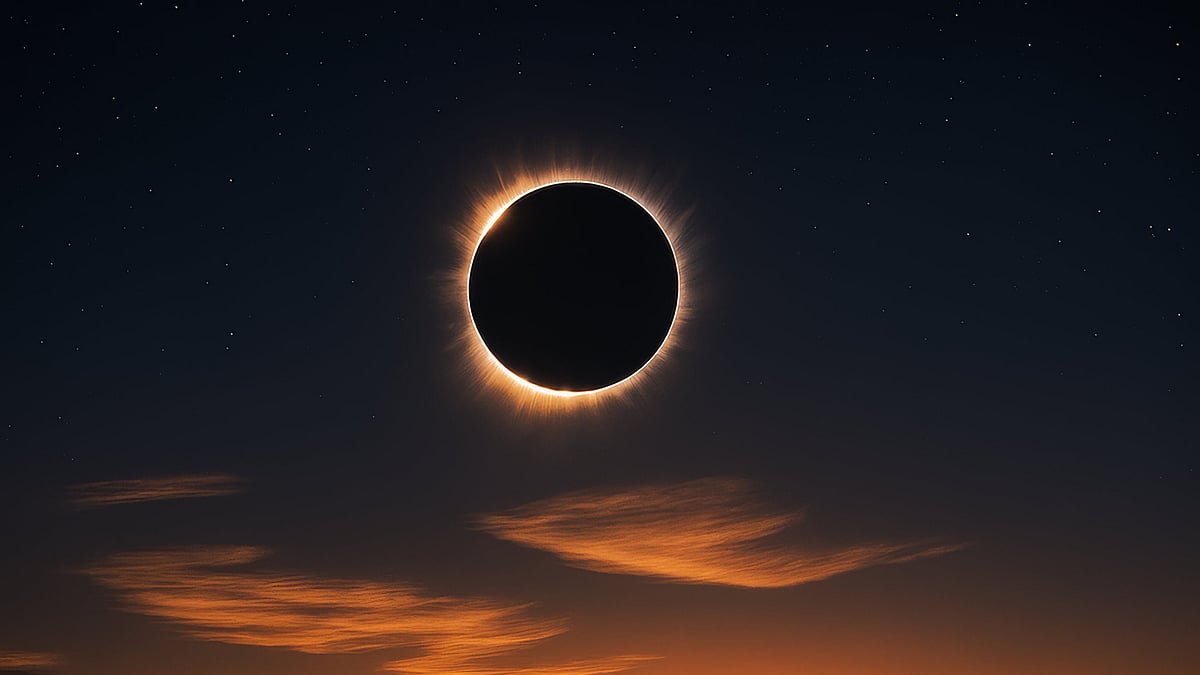
If you thought the night sky couldn't get any busier, August 12 is here to prove otherwise. The date is shaping up to be one of the most interesting days of the 2026 astronomy calendar, with a total solar eclipse, a six-planet morning parade, a New Moon and the peak of the Perseid meteor shower all falling within roughly the same 24-hour window. NASA has highlighted August 12 as a major skywatching date.
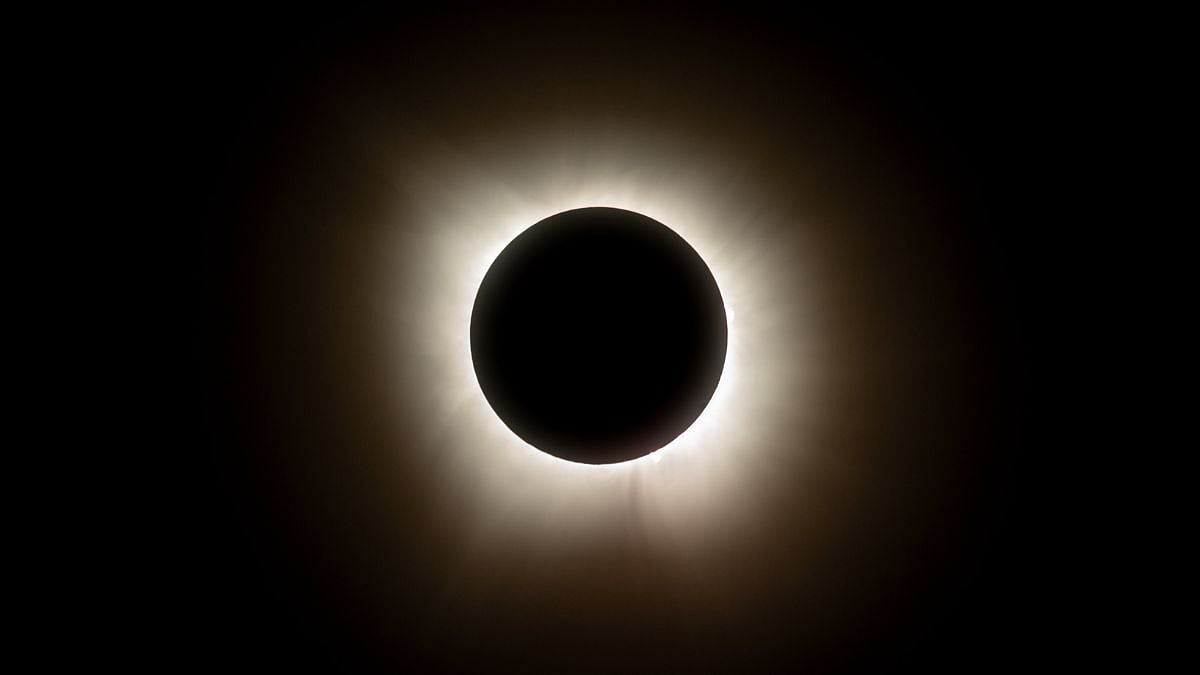
Total Solar Eclipse
The biggest daytime event will be a total solar eclipse, when the Moon moves directly between Earth and the Sun and completely blocks the Sun for observers inside the narrow path of totality.
According to NASA, totality will cross parts of northern Russia, Greenland, Iceland, northern Spain and a small section of Portugal. Outside that narrow track, people in wider areas of Europe, northern Africa, western and northern Asia and parts of North America will experience a partial eclipse.
Will India see it? No. The August 12 total solar eclipse will not be visible from India, so Indian skywatchers won't be able to watch the Moon pass across the Sun from here.
For anyone viewing the eclipse from a location where it is visible, NASA stresses that proper certified eclipse glasses or approved solar viewers are essential whenever any portion of the Sun is visible. Regular sunglasses aren't sufficient protection.
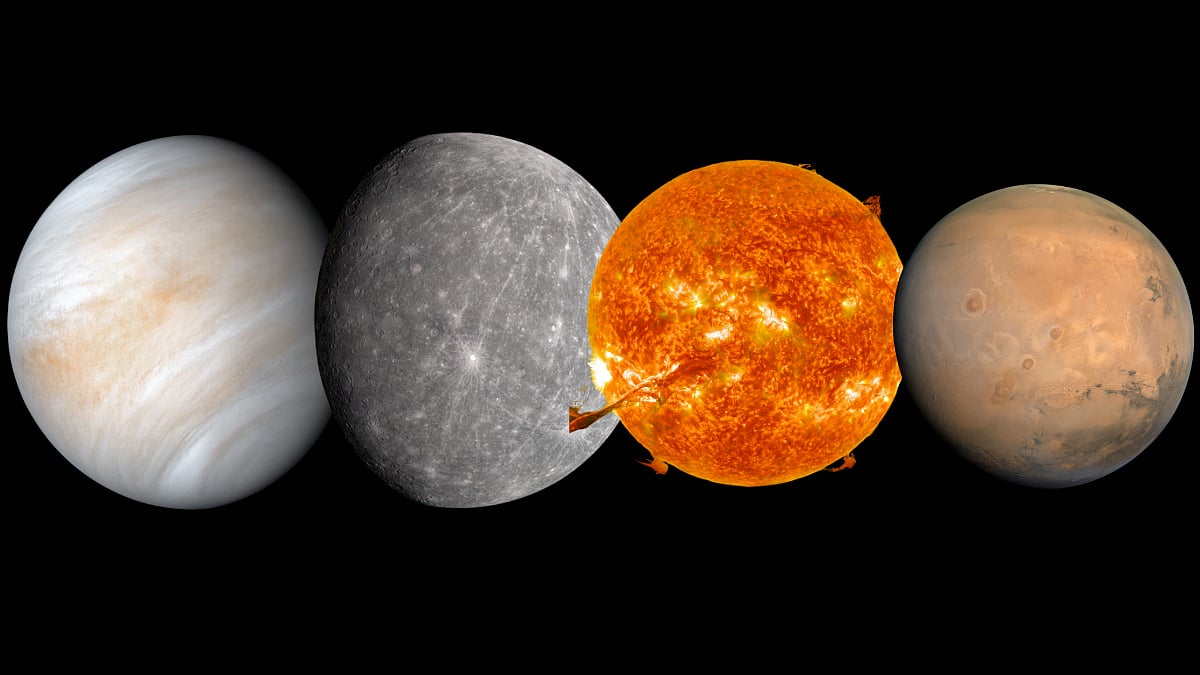
Planet Parade
Before sunrise, another celestial treat will take centre stage. Mercury, Jupiter, Mars, Saturn, Uranus and Neptune will appear spread along the morning sky, creating what is popularly called a planetary parade.
Don't expect six planets to form a perfectly straight line in space, though. The alignment is mainly a line-of-sight effect from Earth, with the planets appearing along the ecliptic, the apparent path followed by the Sun across our sky.

Can India see it? Yes, potentially. Indian observers with clear skies can look toward the sky before sunrise, although exactly what can be spotted will depend on location, horizon and weather. Mars and Saturn are among the easier naked-eye targets, while Uranus and Neptune will require optical aid. Mercury and Jupiter will be challenging because they sit relatively low near the horizon and twilight can wash them out.

New Moon
August 12 will also bring a New Moon, meaning the lunar disk will be essentially invisible from Earth because the illuminated side faces away from us. The New Moon occurs on August 12, with the exact timing depending on location.
While you won't actually see a glowing Moon, its absence is good news for stargazers. With little to no moonlight brightening the sky, fainter stars and meteors can stand out more clearly.
And that's particularly useful because another major event is arriving the same night.
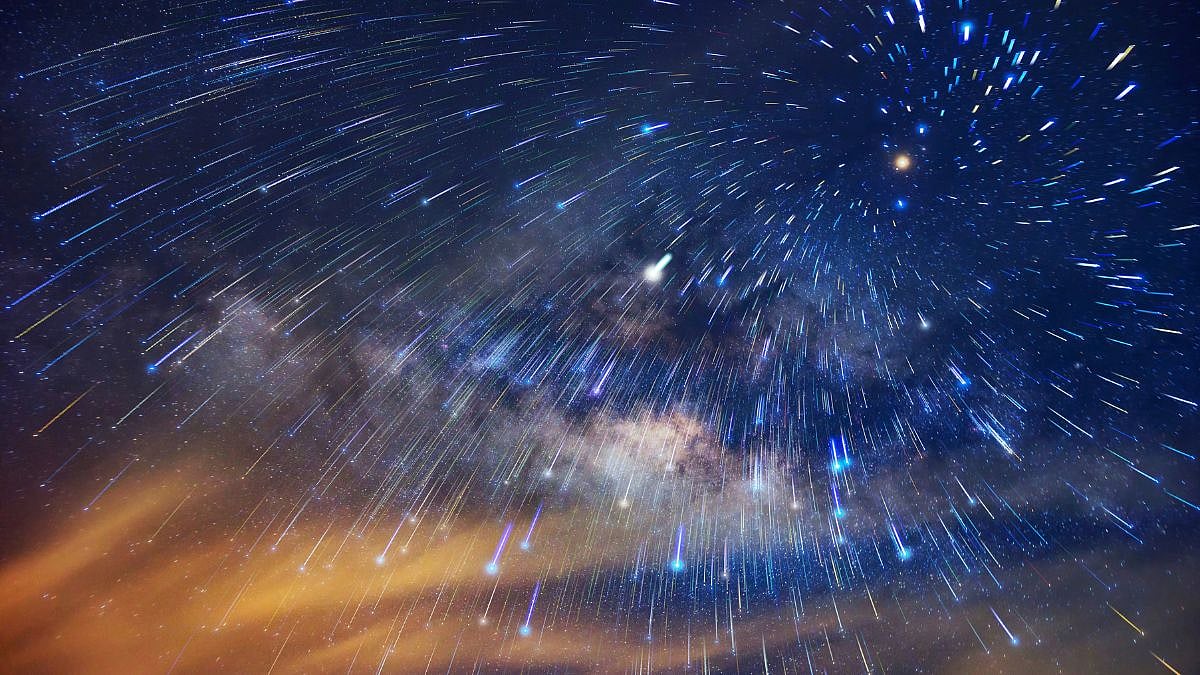
Perseid Meteor Shower
The Perseid meteor shower, one of the year's most popular annual meteor displays, reaches its peak overnight from August 12 into August 13. The shower happens as Earth moves through debris left behind by Comet 109P/Swift-Tuttle. As tiny particles enter Earth's atmosphere at high speed, they heat up and glow, producing the streaks commonly called shooting stars.
This year's timing is especially favourable because the New Moon means there will be very little moonlight competing with the meteors. Under ideal dark-sky conditions, NASA says observers could see rates approaching 100 meteors per hour, although actual numbers depend heavily on location and viewing conditions.
Will India see the Perseids? Yes. The shower can be observed from India, provided skies are dark and clear. The best strategy is to get away from bright city lights, give your eyes around 30 minutes to adjust and watch the sky after midnight and toward the pre-dawn hours. NASA recommends generally looking toward the northeast, although meteors can appear across the sky.
For Indian viewers, however, monsoon clouds could be the biggest obstacle, particularly in parts of the country experiencing heavy August rainfall.

