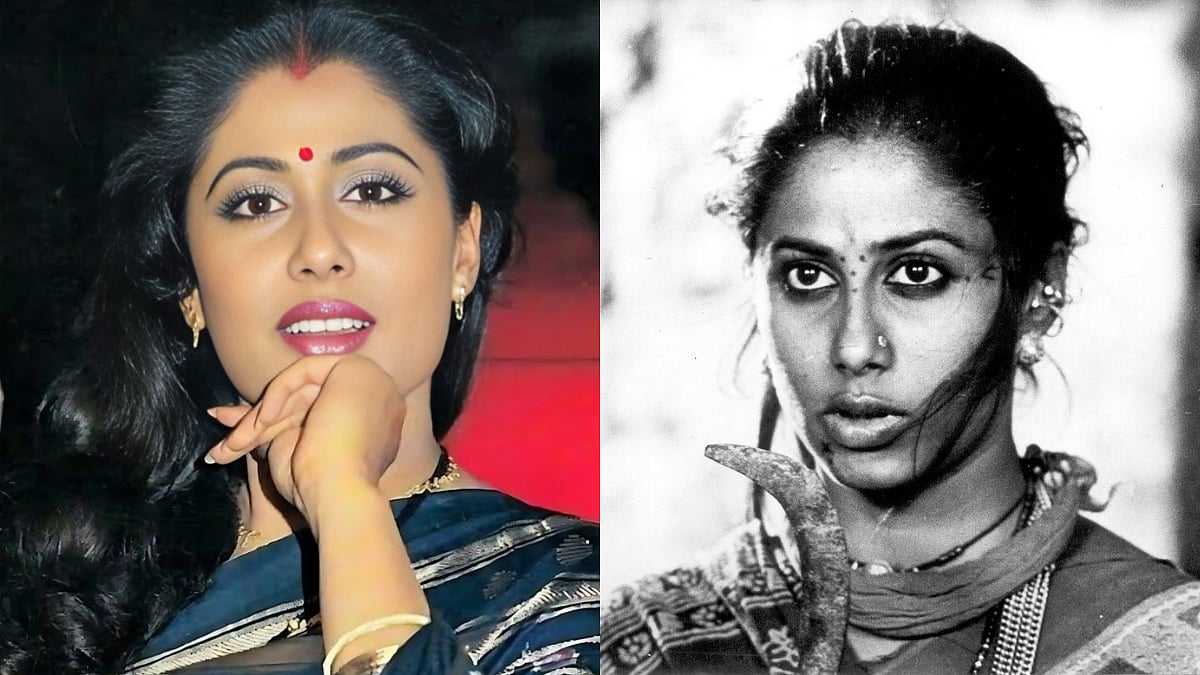
Born October 17th 1955, Smita Patil was born in a middle-class family. Her parents – Vidya and Shivajirao Patil were ideal examples of simple living, high thinking. They brought up the three daughters with same principles and morals while giving them total independence to choose their careers and partners.
Smita, the darkest of the three, was not particularly interested in anything when she was in Elphinstone College. She did a stint on Mumbai Doordarshan as an announcer, primarily for pocket money – which she very often spent on others.
Shyam Benegal saw her on the then black and white television and was enamoured by the expressive eyes. He immediately decided to cast her in Nishant, his upcoming film. It required quite a bit of coaxing from the family for Smita to finally agree to the film which proved to be the stepping stone for an illustrious career.
With her intense eyes, understated expressions and remarkable ability to communicate without words, Smita Patil brought a rare authenticity to Indian cinema. Her career lasted barely a decade, yet her performances continue to resonate across generations.
Smita Patil emerged as one of the defining faces of India's parallel cinema movement, which sought to tell stories rooted in social realities rather than conventional commercial formulas.
So uncomfortable was Smita Patil with the commercial film formulas that she cried every evening after returning home from the shooting of the famous rain song from Namak Halal.
Smita Patil had agreed to do commercial films only because that brought her good roles in parallel cinema. She had realised that having a commercial hit made a difference.
Her commercial ventures, most of them, were a success. But she was happier doing realistic films. Smita Patil’s histrionics rarely appeared exaggerated or manufactured. A fleeting expression, a pause or a glance could communicate anger, hurt, defiance or longing. She understood that the most powerful moments often occur when a character says nothing at all.
Smita was applauded for the finesse she brought to the art and that won her many awards.
However, Smita’s dream was never to be a successful career woman. All she wanted to do while growing up was to be a mother to half a dozen children. Sudha Varde, her confidante and mentor from her Rashtra Seva Dal days where she did many a skits and dances, often reminisced that she was the happiest when she delivered Smit Pratiek, known as Prateik.
So indifferent she was to awards and the money that came with it that she told her social worker mother to donate the award money to worthwhile causes.
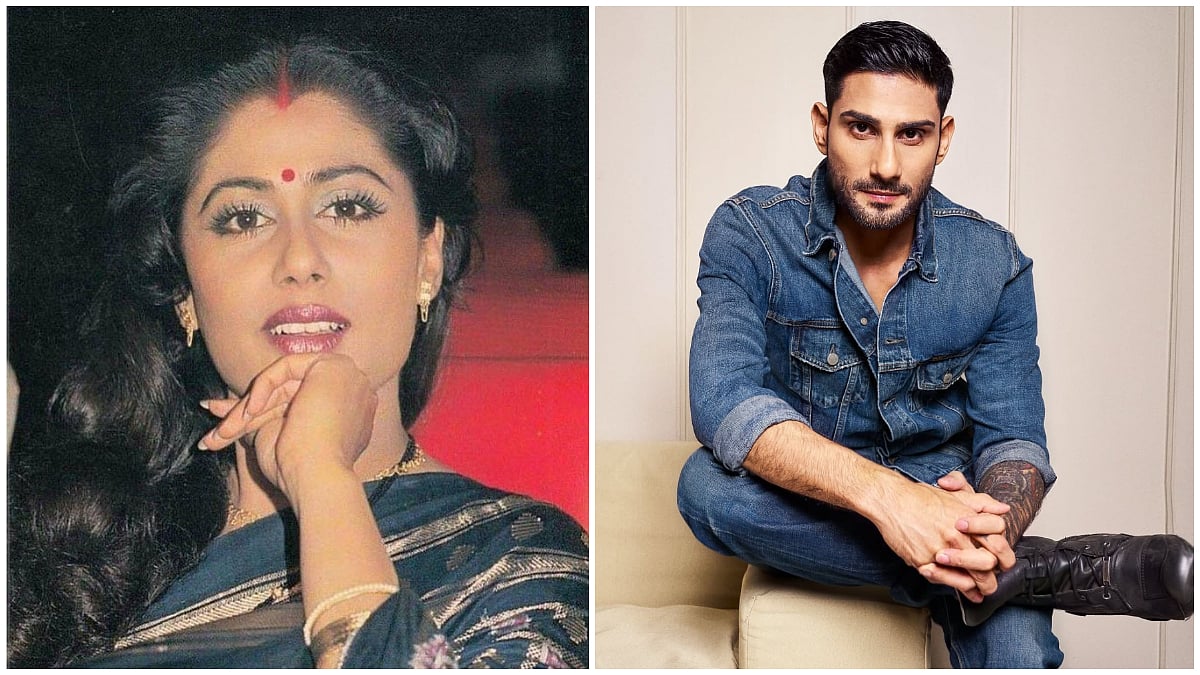
Smita Patil died on December 13, 1986, aged just 31, following complications after childbirth. Her untimely death cut short a career that was still evolving, leaving audiences to wonder what more she might have achieved.
Yet her work has never been confined to nostalgia. Her characters continue to speak to questions of gender, dignity, economic inequality and personal freedom. At a time when conversations about representation and women's agency have become central to cinema, many of the questions her films raised remain strikingly relevant.
Smita Patil's greatest achievement was not simply the number of memorable roles she played, but the honesty she brought to them. She allowed women on screen to be complicated, imperfect, resilient and real.
Decades after her passing, Smita Patil remains a reminder that great acting is not about being seen. It is about making the audience feel. And in that art, she remains unforgettable.

