
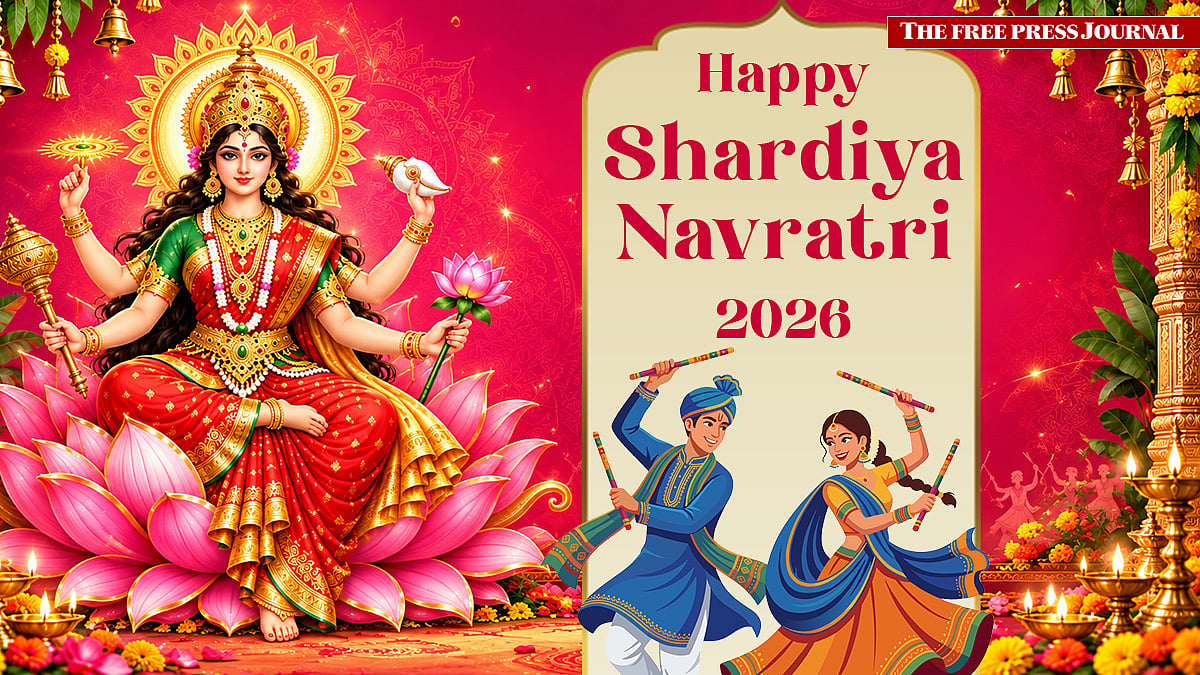
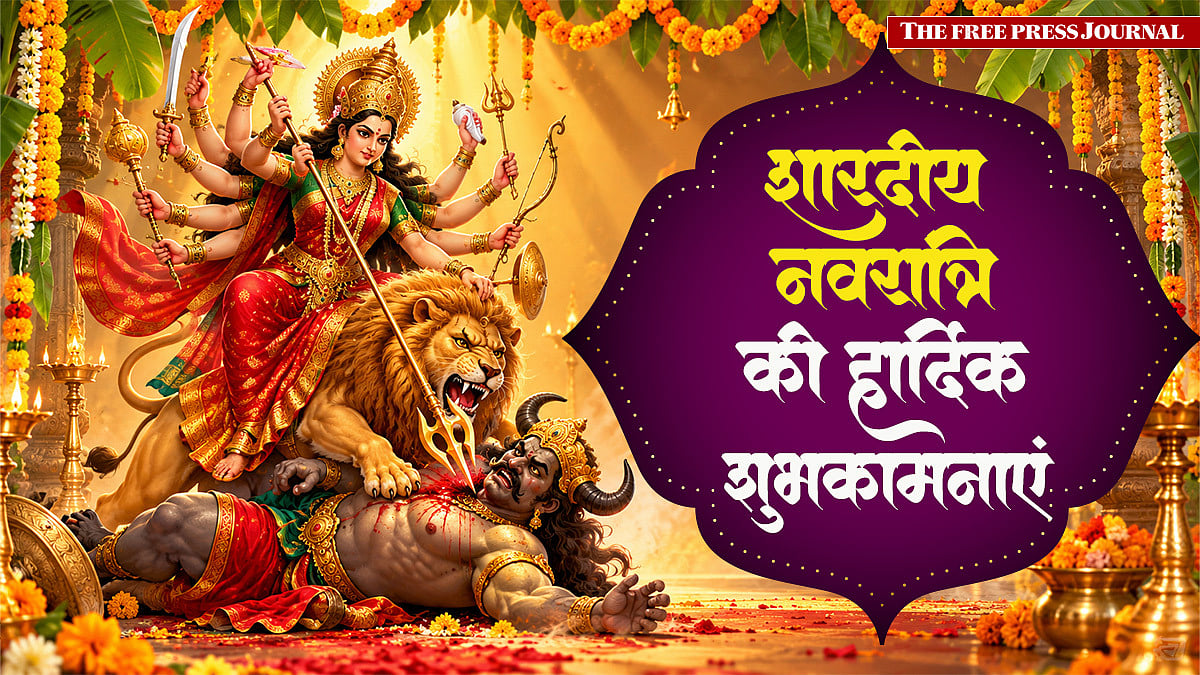
Shardiya Navratri is dedicated to Maa Durga and her nine forms, with devotees observing fasts, offering prayers and following traditional rituals. In 2026, the festival begins on October 11 and ends on October 19, followed by Vijayadashami on October 20. Here are the essential fasting dos and don’ts to keep in mind during the nine-day celebration.
Dos To Follow During Navratri
Begin Your Day With Bath And Prayers
Start the day with a bath, wear clean clothes and offer prayers to Maa Durga. On the first day, devotees performing Ghatasthapana prepare the puja area and arrange the kalash according to their family traditions.
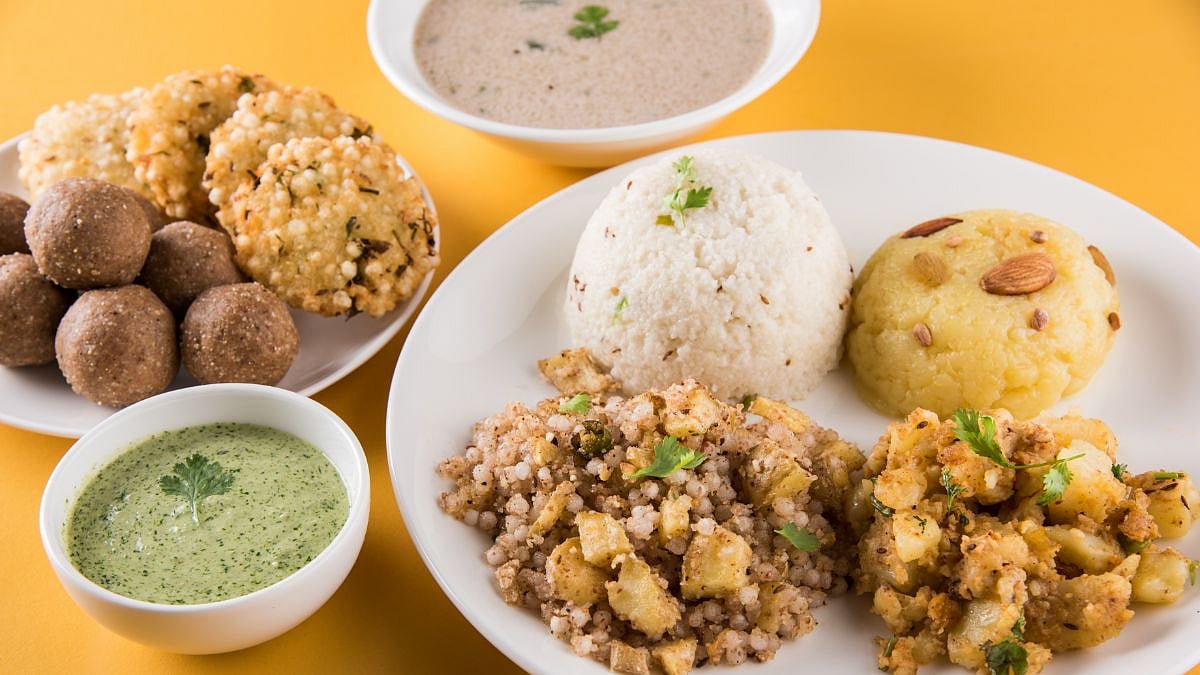
Choose Sattvic And Fasting-Friendly Foods
Opt for simple vegetarian meals that follow your vrat rules. Common fasting foods include fruits, milk, makhana, sabudana, kuttu flour, singhara flour, samak rice and permitted vegetables. Stay hydrated and eat adequately during the fasting period.

Worship Maa Durga Daily
Set aside time for prayers dedicated to Maa Durga and her nine forms. You can chant mantras, read religious texts or follow your family's daily puja rituals to maintain a sense of devotion throughout the festival.
Prepare Fresh Homemade Bhog
Offer fresh fruits, sweets or milk-based preparations to the Goddess, depending on your household tradition. Prepare the bhog in a clean space and distribute the prasad among family members after the rituals.

Keep Your Home And Puja Area Clean
Clean the worship area before Ghatasthapana and keep it tidy throughout Navratri. Remove wilted flowers and stale offerings respectfully, following your family's customs.
Practise Patience And Kindness
Make an effort to manage anger, avoid unnecessary arguments and speak respectfully. Many devotees consider self-discipline and positive conduct an important part of their Navratri observance.
Visit Temples And Join Community Celebrations
Attend temple prayers, participate in community rituals or enjoy Garba and Dandiya events. These gatherings bring people together to celebrate the spiritual and cultural significance of Navratri.
Observe Kanya Puja According To Tradition
Some devotees perform Kanya Puja on Ashtami or Navami to honour young girls as manifestations of the divine feminine. Offerings may include food, sweets or gifts, depending on family customs.

Don’ts To Follow During Navratri
Avoid Foods Restricted During Your Vrat
Devotees commonly avoid meat, eggs, onion, garlic, regular grains and pulses while fasting, depending on their traditions. Choose permitted alternatives and follow the specific dietary rules observed in your household.
Stay Away From Alcohol And Intoxicants
Many devotees avoid alcohol, tobacco and other intoxicants during Navratri as part of their commitment to self-discipline and spiritual focus.
Do Not Cut Hair And Avoid Black Clothes
Some devotees avoid cutting their hair, trimming their nails or shaving during the nine days, particularly when observing a strict vrat. Some traditions encourage wearing bright or auspicious colours and avoiding black during Navratri.
Avoid Abusive Language And Unnecessary Arguments
Be mindful of your words and actions during the festival. Avoid harsh language, hurtful comments and unnecessary conflicts, and make an effort to treat others with compassion and respect.

Do Not Neglect Hydration And Rest
Avoid pushing yourself beyond your physical limits while fasting. Prolonged fasting without food or water can cause weakness and dehydration. Choose a fasting routine suitable for your health, drink fluids when permitted and seek medical advice if you have an underlying condition or take medication.
Do Not Assume Buying Or Using Sharp Objects Is Forbidden
Some households discourage buying or using knives and scissors during Navratri, but this is not a universal religious rule. Follow your family's customs and continue using essential household tools safely.
Note: Navratri fasting rules and rituals vary across regions and families. Choose practices that align with your tradition and health needs, and remember that devotion does not require everyone to follow identical restrictions.

