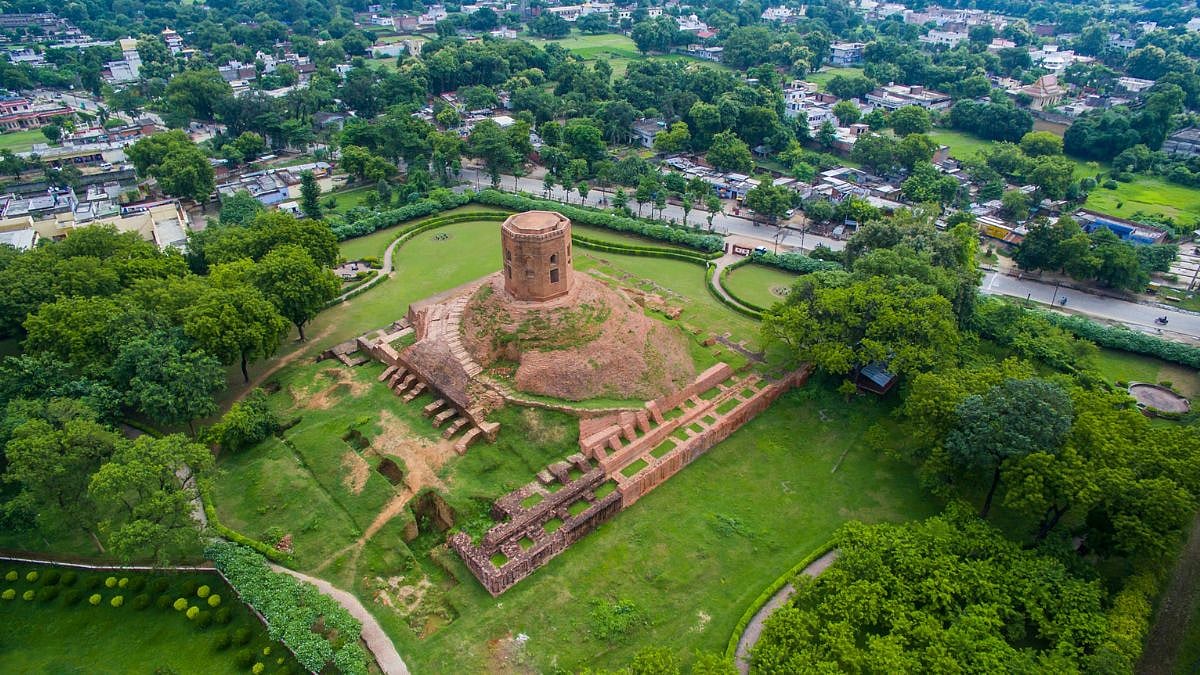
India's list of globally recognised heritage treasures has just grown a little longer. Sarnath, one of the most revered Buddhist destinations in the world, has officially earned UNESCO World Heritage status, nearly three decades after first being placed on the tentative list. The recognition not only celebrates its immense historical and spiritual value but also shines a global spotlight on one of Uttar Pradesh's most significant cultural landmarks.
Sarnath earns UNESCO recognition after 28 years
The announcement was made during the 48th session of the UNESCO World Heritage Committee in Busan, South Korea, marking a major milestone for India.
Sarnath was first included in UNESCO's Tentative List on July 3, 1998, making this long-awaited recognition the culmination of nearly 28 years of efforts. With this addition, Sarnath becomes India's 45th UNESCO World Heritage Site and Uttar Pradesh's fourth, joining the ranks of the Taj Mahal, Agra Fort and Fatehpur Sikri.
Why Sarnath is so special
Located just outside Varanasi, Sarnath holds immense importance in Buddhism as the place where Lord Buddha delivered his first sermon after attaining enlightenment. Along with Bodhgaya, Kushinagar and Lumbini (Nepal), it forms one of the world's most sacred Buddhist pilgrimage circuits.
However, Sarnath isn't only for Buddhist pilgrims. History lovers, architecture enthusiasts and spiritual travellers are equally drawn to its peaceful atmosphere, ancient ruins and centuries-old monuments. The site also has historical links with Jainism and Hinduism, making it an important cultural destination for visitors of diverse faiths.
The biggest attraction is the Dhamekh Stupa, believed to mark the spot where Buddha first preached. Visitors can also explore the remains of ancient Buddhist monasteries, the historic Ashoka Pillar, and the ruins of the Dharmarajika Stupa, all set within beautifully maintained archaeological gardens.
How to visit Sarnath
Sarnath is located around 13 kilometres (8 miles) northeast of Varanasi, making it an easy half-day excursion.
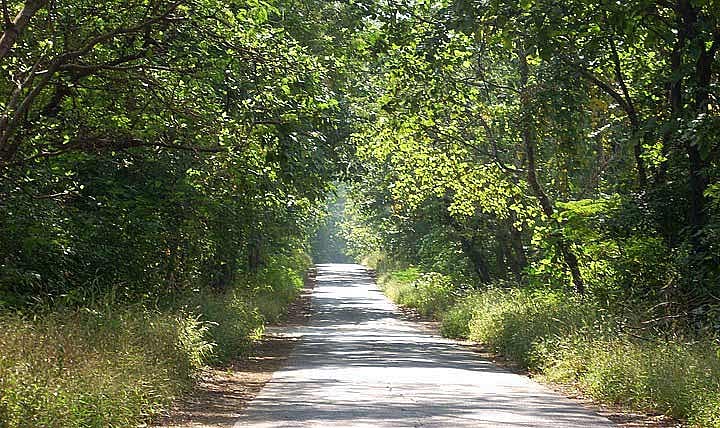
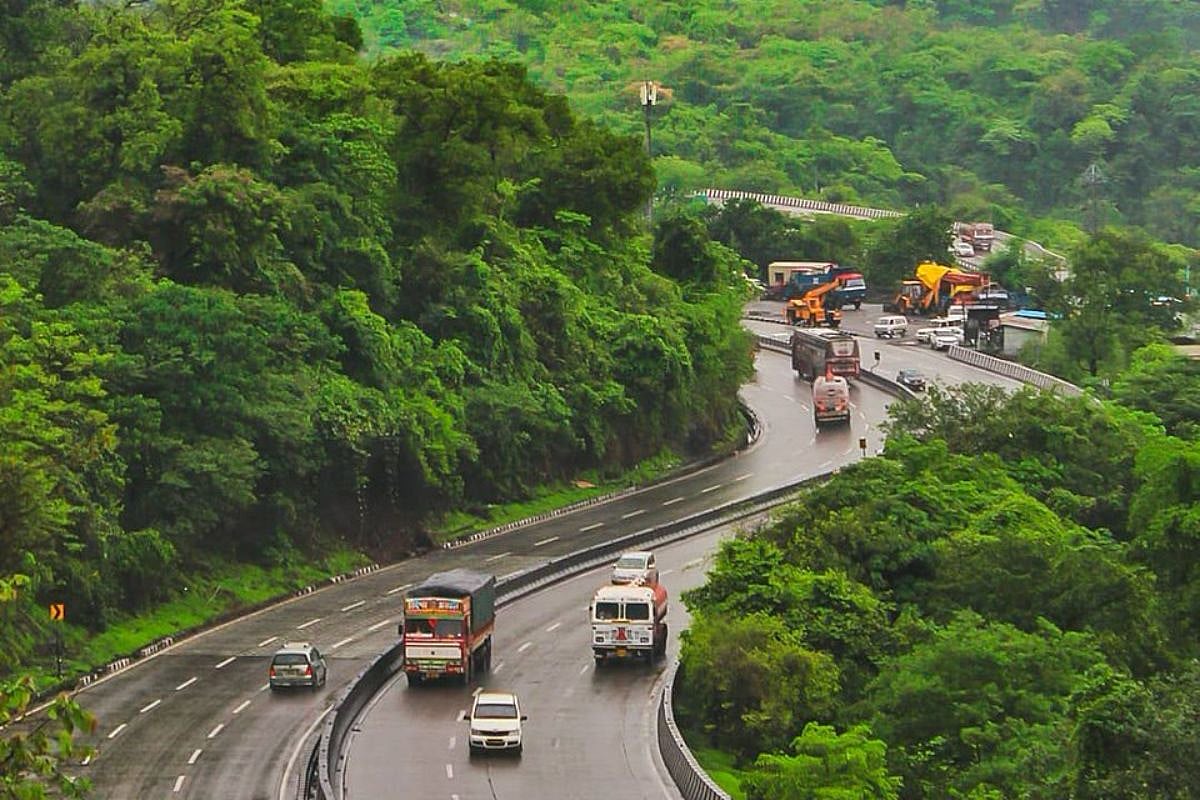
The journey usually takes 30 to 40 minutes by road. Visitors can hire an auto-rickshaw, book a cab, or opt for shared autos and local buses from Varanasi Junction railway station, depending on their budget.
The archaeological complex remains open daily from sunrise to sunset. Entry tickets can be purchased online through the Archaeological Survey of India or directly at the entrance.
If you're planning your itinerary, avoid visiting on Fridays, as the Sarnath Archaeological Museum remains closed.

