
GLP-1 medicines have become increasingly popular for managing type 2 diabetes and, in some cases, obesity and weight management. But a new legal development in the US has put a rare eye condition and reports of sudden vision loss under the spotlight.
According to a report by The Wall Street Journal, dozens of patients have filed lawsuits against the makers of popular GLP-1 medicines, alleging that they experienced sudden and potentially permanent vision loss after taking the drugs.
Which GLP-1 drugs are named in the lawsuits?
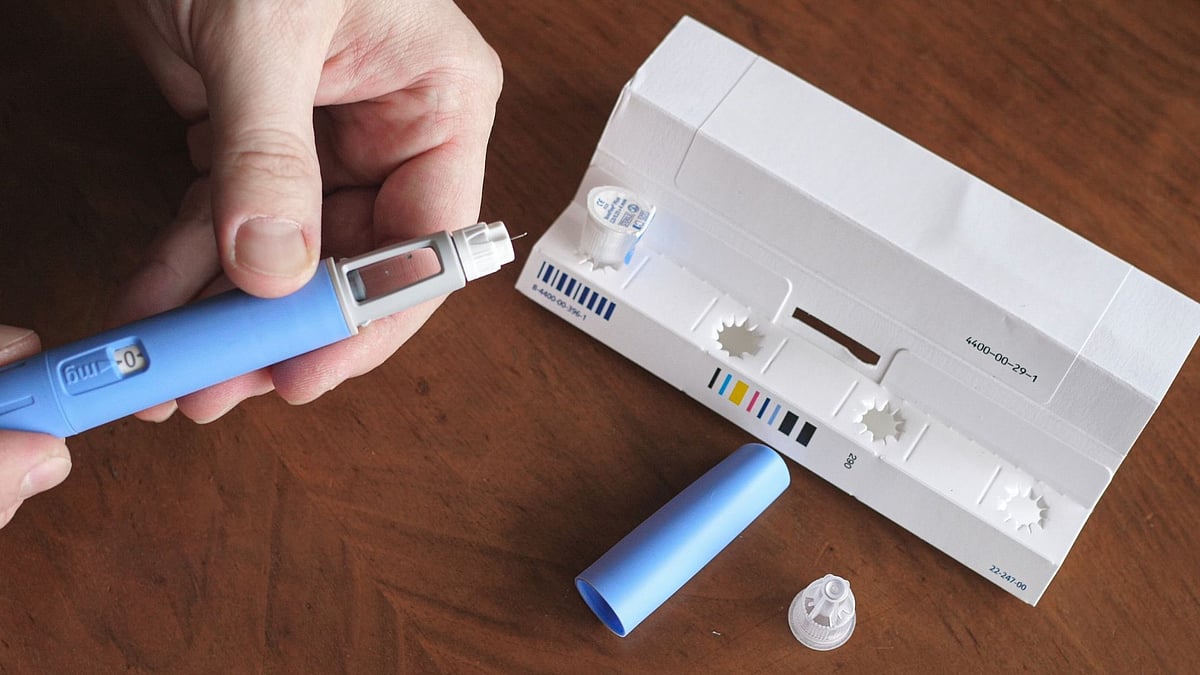
As per reports, the legal claims involve medicines including Ozempic and Wegovy, made by Novo Nordisk, and Zepbound, manufactured by Eli Lilly.
Patients bringing the lawsuits allege that the medicines were responsible for their vision problems and claim the drugmakers did not provide adequate warnings about a possible risk involving a rare eye condition.

The allegations primarily centre on nonarteritic anterior ischemic optic neuropathy, commonly known as NAION. The condition can result in sudden vision loss and typically affects one eye.
What is NAION?
NAION is the main eye condition at the centre of the current lawsuits. The legal claims allege that some patients developed sudden vision problems after using GLP-1 medicines.
However, the lawsuits themselves do not establish that the medicines caused these injuries. The reported cases are allegations made by individual patients, and the possible relationship between GLP-1 medicines and NAION remains under investigation.
What does the evidence say so far?
According to medical studies, the potential connection between GLP-1 medicines and NAION is still being examined by researchers and regulators. Evidence from studies remains mixed, meaning there is no settled conclusion that these medicines cause the eye condition.
This distinction is important as the legal claims move forward. A lawsuit represents an allegation rather than proof that a drug caused a particular medical condition.
GLP-1 receptor agonists have become widely used in recent years, particularly for type 2 diabetes and, in some cases, obesity and weight management. The drug class includes medicines such as semaglutide and tirzepatide, which have significantly changed treatment options for metabolic disease.

What are the drugmakers saying?
Novo Nordisk has rejected the allegations. According to ABC News, the company said it takes reports of adverse events seriously but considers the personal injury lawsuits to be without merit.
Eli Lilly has also disputed claims connecting its medicines with NAION, according to The Wall Street Journal.
Disclaimer: This article is for informational purposes only and should not be considered a substitute for professional medical advice. Always consult your doctor for any concerns or questions regarding your health or medical condition.

