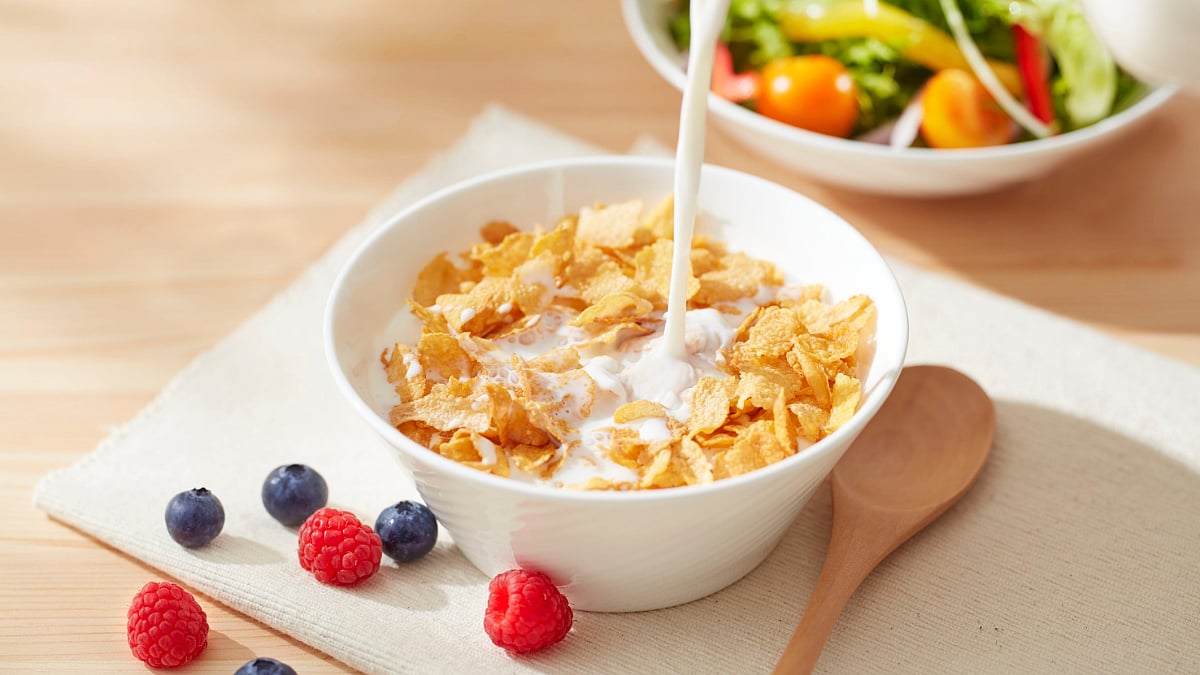
When it comes to fast yet healthy breakfasts, cereals have become the natural choice for a nourishing morning. These days, there are also many options available in organic cereals. National Cereal Day, celebrated on March 7, honours cereals and highlights their ease of eating. Let us understand the importance of celebrating the day, explore anecdotes related to cereals, learn Ayurvedic tips on choosing them, right way to consume them, and discover healthy Patanjali options.
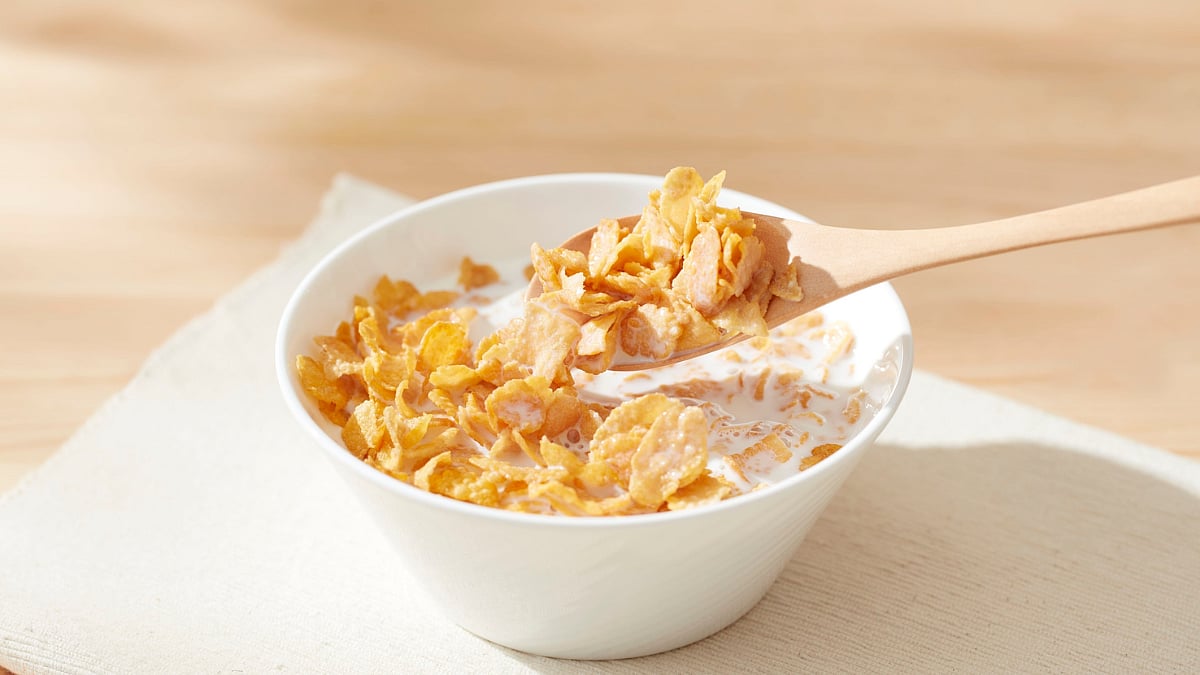
Importance of National Cereal Day
The day celebrates the nutritional, cultural, and historical importance of cereals and also recognises the early works of innovators like Dr John Harvey Kellogg and C. W. Post in developing this healthy food. Granula, developed in 1863, was the first breakfast cereal and later became the precursor to cereals like cornflakes.
The title of the 'cereal capital of the world' goes to Battle Creek in Michigan, where the early development took place with Kellogg and Post. When James Kellogg once left cooked wheat out to dehydrate and it turned flaky, Kellogg’s corn flakes came into existence in 1895.
The name 'cereal' comes from Ceres, the Roman goddess of agriculture. Today, many cereals are enriched with minerals, fibre, and vitamins. While there are also options with added sugars and refined carbs, several natural varieties are now available that are packed with nutrients.
Let us find out how to pick the right cereals and the ways to eat them in accordance with Ayurvedic principles. Patanjali, too, offers the right options.

Ayurveda on Picking and Eating Cereals
Eating: It is advisable to eat warm cereals over cold ones as the latter are tough to digest and can turn toxic. Warm porridge made from ingredients like oats is filling and nutritious. Use milk, water, or plant-based milk for better digestion.
Doshas: For Vata Dosha, opt for warm and moist food like oatmeal or rice porridge. Kapha Dosha needs dry, light, and grains like buckwheat and millet. Pitta Dosha should choose filling and cool cereals like wheat or oats.
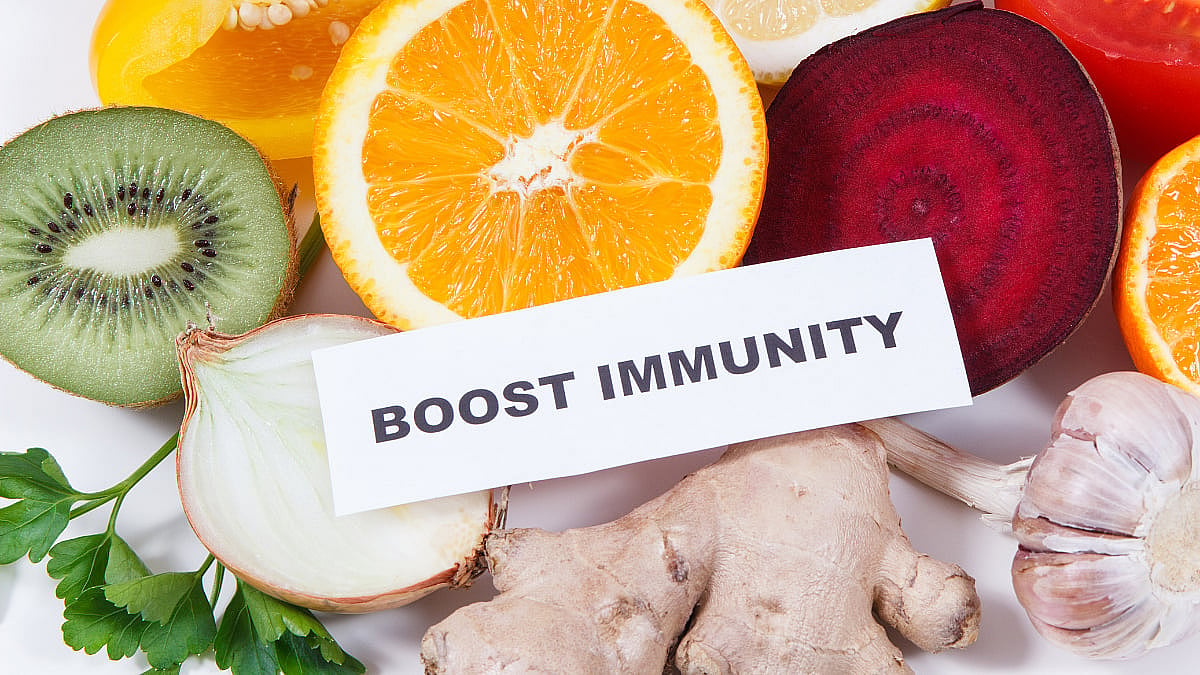
Ingredients: Always choose cereals with whole grains over processed and refined ones. Check for preservatives, additives, and colours and avoid them. Opt for the ones with little to no sugar.
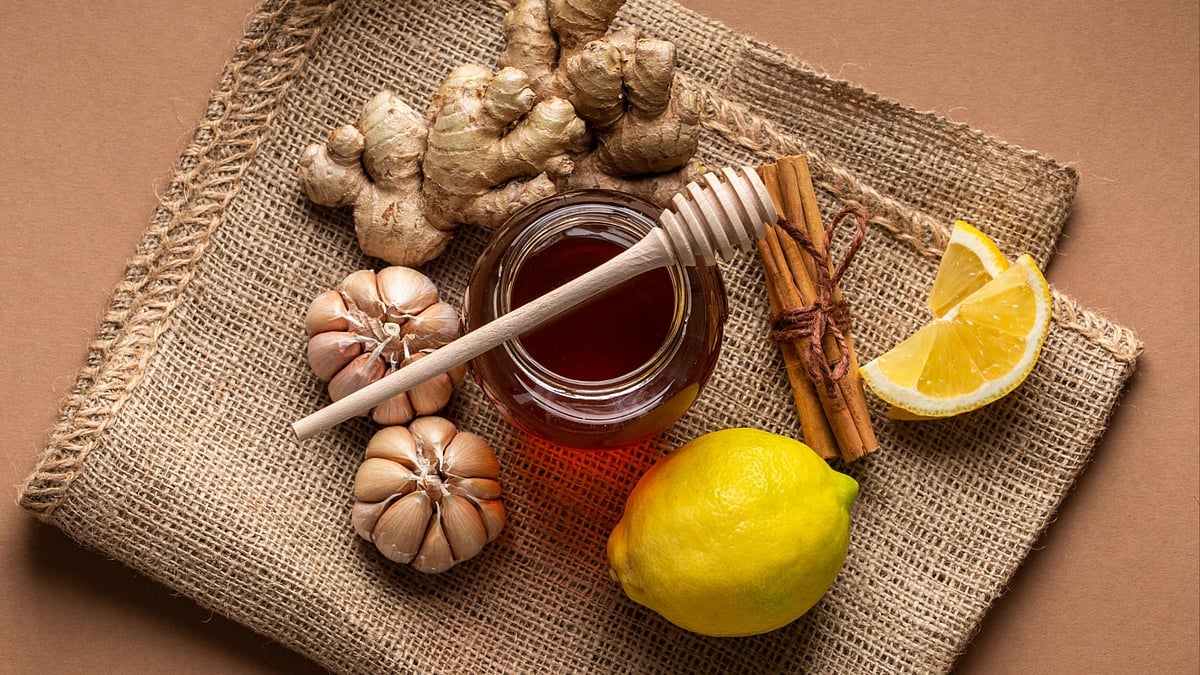
Additions: You can add natural foods like fruits, seeds, and dry fruits to enhance the taste and nutrition. If you want to make the cereal sweet, use natural sweeteners like honey. You can also add spices like turmeric, cinnamon, and ginger to enhance its taste and make it more nutritious.
Patanjali has many cereals to suit varied dietary needs. Patanjali Corn Flakes (875 Gms) are made from the finest corn and are rich in iron and other nutrients. You can also pick Patanjali Muesli Fruit & Nut (30 Gms, 200 Gms, and 450 Gms), which contains ingredients like rolled oats, wheat flakes, corn flakes, fruits and nuts, dried pineapple, dried papaya, almond slices, white oats, and rice flakes. This great mix of texture and flavours is high in protein, dietary fibre, and other nutrients.
If looking for something chocolatey, go for the nutritious Patanjali Choco Flakes (30 Gms, 125 Gms, and 250 Gms) or Patanjali Chocolious – Choco Fill Pillow (25 Gms, 125 Gms, and 250 Gms) with chocolate-filled pillows and the goodness of multigrain. Both taste good with hot milk.
For oats, choose Patanjali Oats (40 Gms, 200 Gms, and 1 Kg). These rolled oats are filling, nutritious, and can be paired with anything. Then, there is Patanjali Masala Oats (40 Gms, 200 Gms, and 400 Gms). This premium breakfast cereal has the finest oats blended with the best masalas. Then there is Patanjali Tomato Oats (200 Gms and 400 Gms), which has the finest oats paired with dehydrated oats and masala blends. The last two are good sources of protein and dietary fibre.
On National Cereal Day todau, let us pick the right cereals for breakfast. And, Patanjali ensures you make the right Ayurvedic choices.
