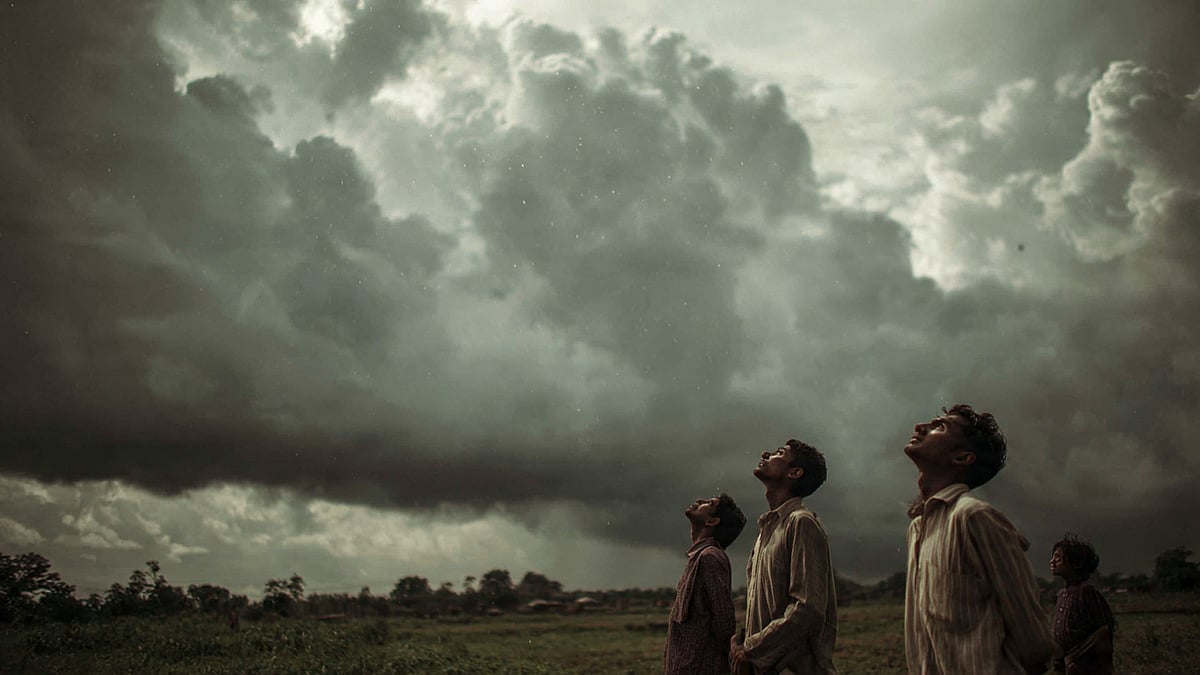
As June nears its end, Mumbaikars and people across large parts of India are still waiting for the monsoon to make a decisive arrival. While a few regions have experienced scattered showers over the past few weeks, meteorologists say these isolated rain spells do not mark the effective onset of the rainy season. The delayed arrival of rains has now turned attention towards a climate phenomenon that scientists had warned about earlier this year — El Niño.
El Niño is a naturally occurring climate pattern caused by unusually warm sea surface temperatures in the central and eastern tropical Pacific Ocean. Although it develops thousands of kilometres away from India, the phenomenon has far-reaching consequences, disrupting global weather patterns and often triggering extreme events such as droughts, floods, and severe heatwaves.
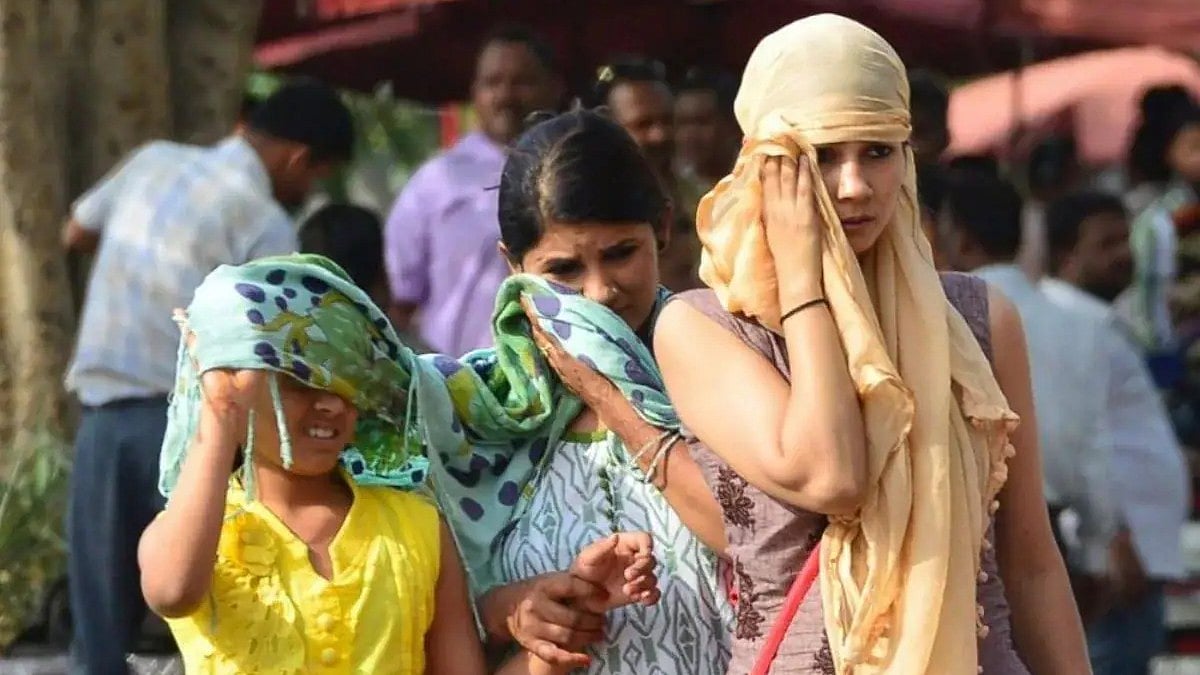
In India, El Niño is already influencing weather conditions in 2026. Experts say it has contributed to prolonged pre-monsoon heat and a sluggish start to the southwest monsoon. The India Meteorological Department (IMD) has projected this year's seasonal rainfall at around 90 per cent of the Long Period Average, raising concerns about below-normal precipitation in several regions.
The southwest monsoon's arrival over Kerala was delayed, and many parts of the country witnessed a significant rainfall deficit during the first half of June, with some periods recording shortages of more than 60 per cent. While northeastern states are expected to receive near-normal rainfall, central India, northwestern regions, and parts of southern peninsular India may face below-average rainfall this season.

The delayed rains are also expected to impact agriculture significantly. Kharif crops, including paddy, pulses, and oilseeds, heavily depend on timely monsoon showers for sowing. Erratic rainfall patterns could increase risks for rain-fed farming regions and affect agricultural productivity.
Beyond agriculture, the prolonged spell of high temperatures and inadequate rainfall has pushed electricity demand to elevated levels, putting additional pressure on power grids across the country.
Scientists and weather experts continue to monitor the evolving El Niño conditions closely, as the coming weeks will determine whether the monsoon gathers momentum or remains subdued, influencing everything from food production to water availability and economic activity in India.

