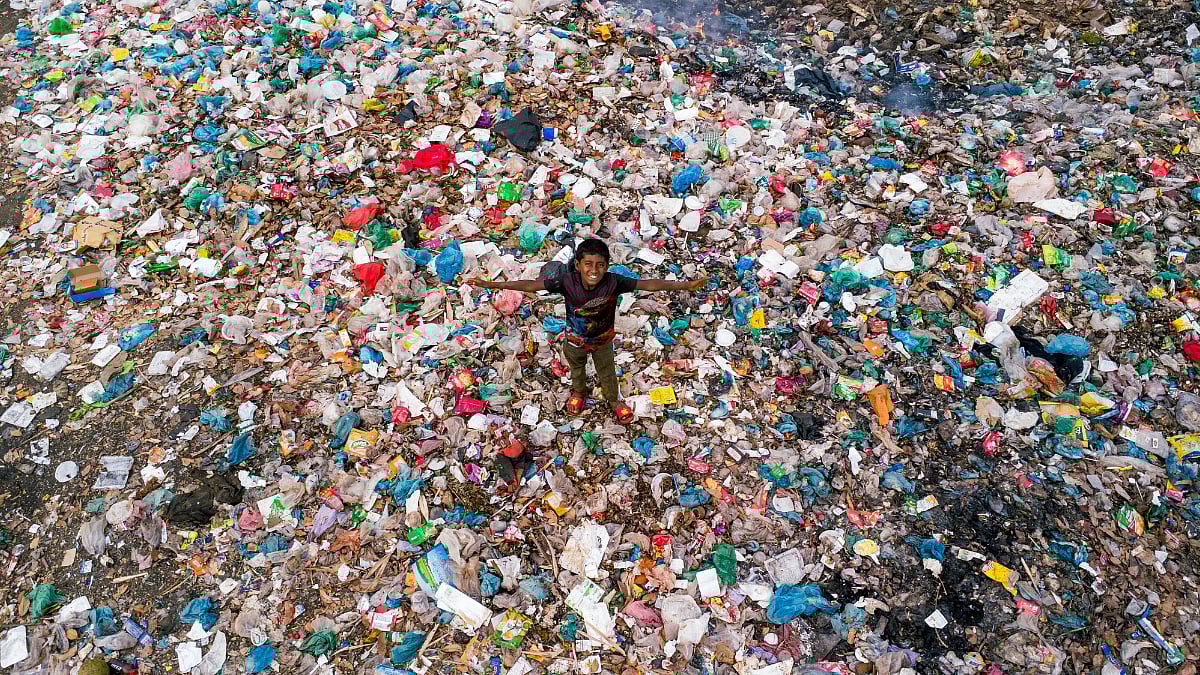
In a significant step towards tackling marine pollution, The Ocean Cleanup has officially begun its operations in India, selecting Mumbai as one of its key focus cities. The move comes under its ambitious “30 Cities Program,” which targets urban centres responsible for a major share of plastic waste entering the world’s oceans.
Mumbai has been identified as a critical hotspot, contributing significantly to plastic leakage into the Arabian Sea. To better understand the scale of the problem, the organisation carried out an extensive Smart Rivers Survey across the city. Using advanced tools like drones, AI-powered cameras, GPS trackers and data modelling, the study mapped how plastic travels through the city’s waterways before reaching the sea.

The findings paint a concerning picture. An estimated 5 million kilograms of plastic waste flows into the Arabian Sea every year from Mumbai alone. This pollution has far-reaching consequences, impacting hundreds of kilometres of coastline, delicate mangrove ecosystems and marine biodiversity. It also threatens the livelihoods of nearly two million people who depend on fishing and coastal resources.
Based on this research, two major pollution points, Trombay and Malad, have been identified as priority zones. The Ocean Cleanup plans to install specialised river interception systems at these locations by 2026. These systems are designed to capture plastic waste before it enters the ocean and are expected to remove tens of tonnes of debris annually once operational.
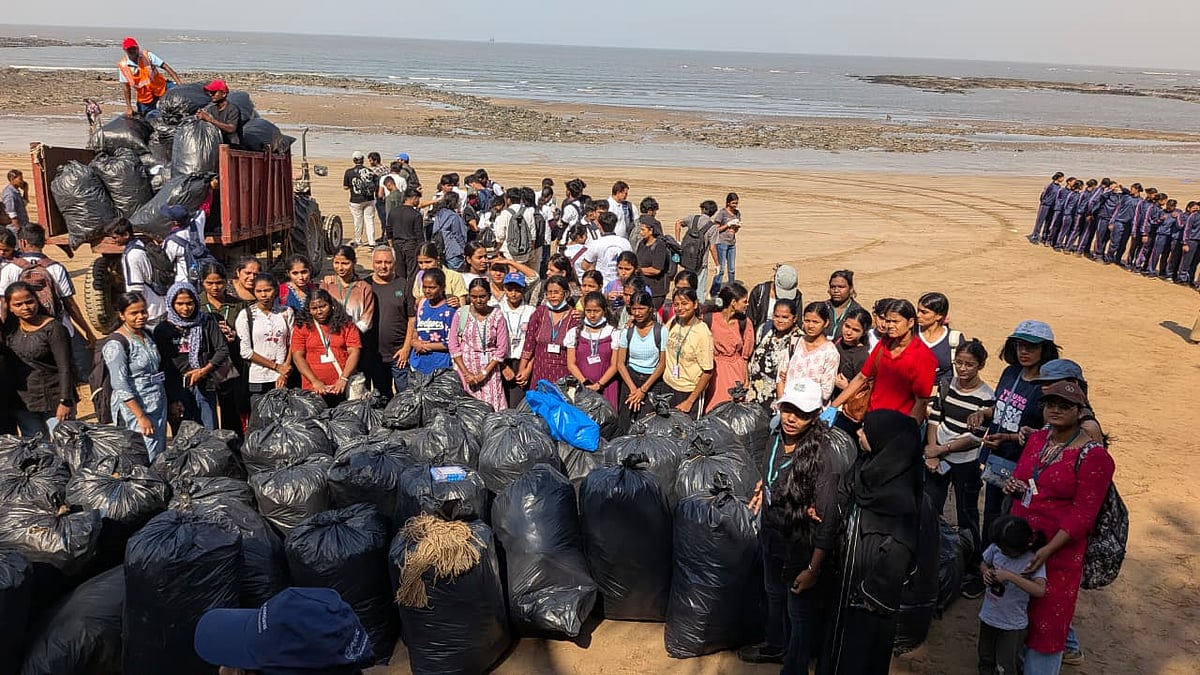
This marks the organisation’s first on-ground project in India and could serve as a blueprint for similar efforts in other cities. With plastic making up a large portion of marine waste along India’s coast, the initiative signals a crucial shift towards technology-driven, large-scale solutions to protect the country’s oceans.

