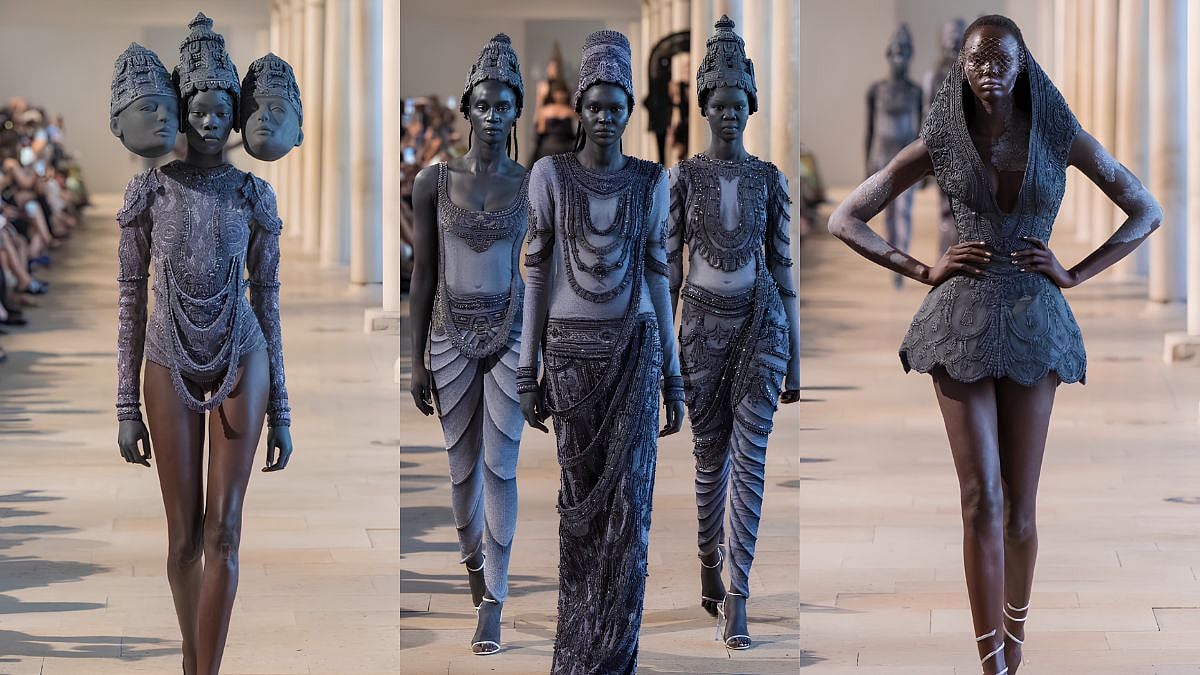
Paris Haute Couture Week is once again bringing together the biggest names in global fashion, but this season, Indian designer Rahul Mishra ensured all eyes were on India's artistic legacy. Unveiling his Autumn/Winter 2026-27 couture collection, Devi: The Eternal Muse, Mishra transformed the Paris runway into a breathtaking tribute to ancient Indian craftsmanship, mythology and temple sculpture, proving that couture can be as much about storytelling as it is about fashion.
Inspiration behind Rahul Mishra's latest collection
Rather than drawing inspiration from fleeting trends, Mishra looked centuries into the past. Speaking about the collection in an Instagram video, the designer described the creative journey as "almost like time travel".
"We have created something which takes all the symbolisms of an ancient sculpture which probably is more than 2,000 years old, found in the southern part of India... as if we are reliving culture with the same ideas that created these sculptures and what created a muse for these sculptors," he shared.
Inside Devi: The Eternal Muse showcase
Devi: The Eternal Muse collection paid homage to centuries-old temple carvings by translating their intricate detailing into couture. Models appeared almost statue-like as they walked the runway wearing dramatic creations in muted shades of ivory, stone grey, black, antique gold and soft beige. Skin-toned bodysuits blended seamlessly with elaborate embroidery, creating the illusion that the garments had been sculpted directly onto the body.
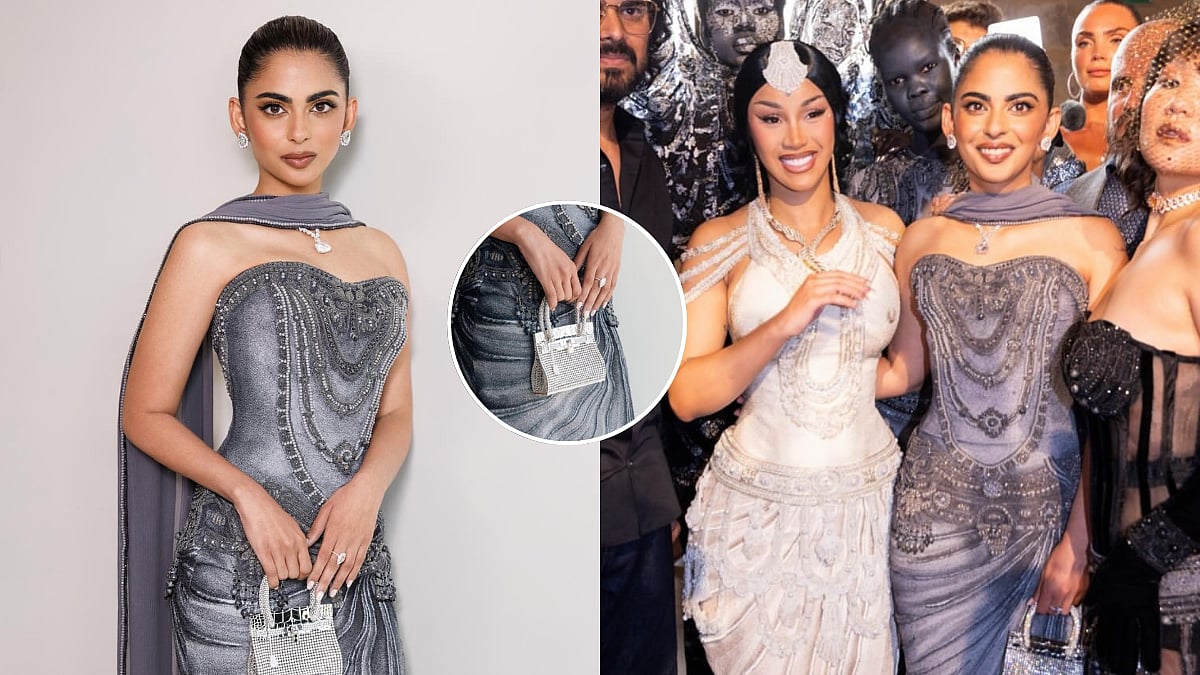
Known for his mastery of hand embroidery, Mishra elevated his signature craftsmanship to an entirely new level. Layers of threadwork, metallic zardozi, dabka embroidery, freshwater pearls, crystals and bugle beads created rich textures that echoed weathered stone carvings while still shimmering under the runway lights.
Several ensembles pushed the boundaries of couture with oversized collars, sculptural shoulders, architectural frames and dramatic silhouettes that looked more like museum-worthy installations than conventional gowns. Softer ivory looks bloomed with colourful floral embroidery, while darker black ensembles embraced bold, almost gothic-inspired structures paired with striking headpieces.
The presentation also extended beyond womenswear. Flowing ivory menswear ensembles adorned with pearl jewellery seamlessly carried forward the collection's sculptural narrative, offering a gender-fluid interpretation of the Devi theme.
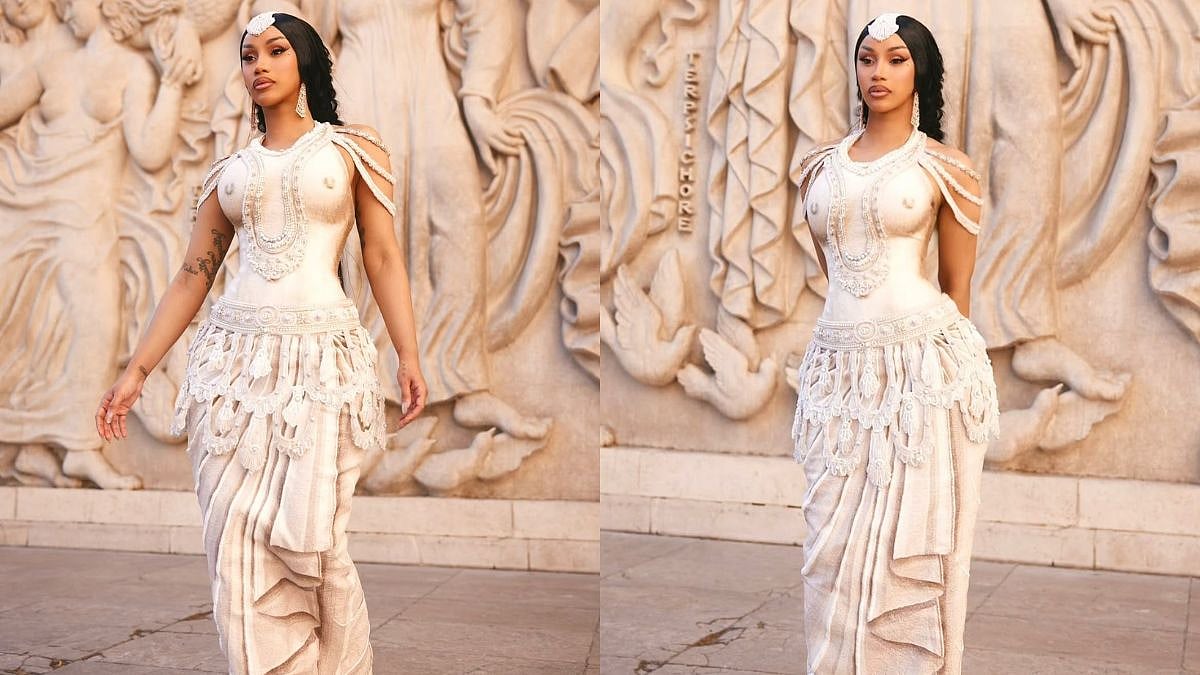
To deepen the cultural storytelling, Mishra collaborated with traditional clay artisan Sumant Kumar, whose handcrafted ceremonial headpieces referenced ancient temple crowns. Jewellery giant Tanishq contributed intricate temple-inspired diamond pieces that became part of the garments themselves, while renowned British milliner Stephen Jones added surreal sculptural headwear that completed several standout looks.

