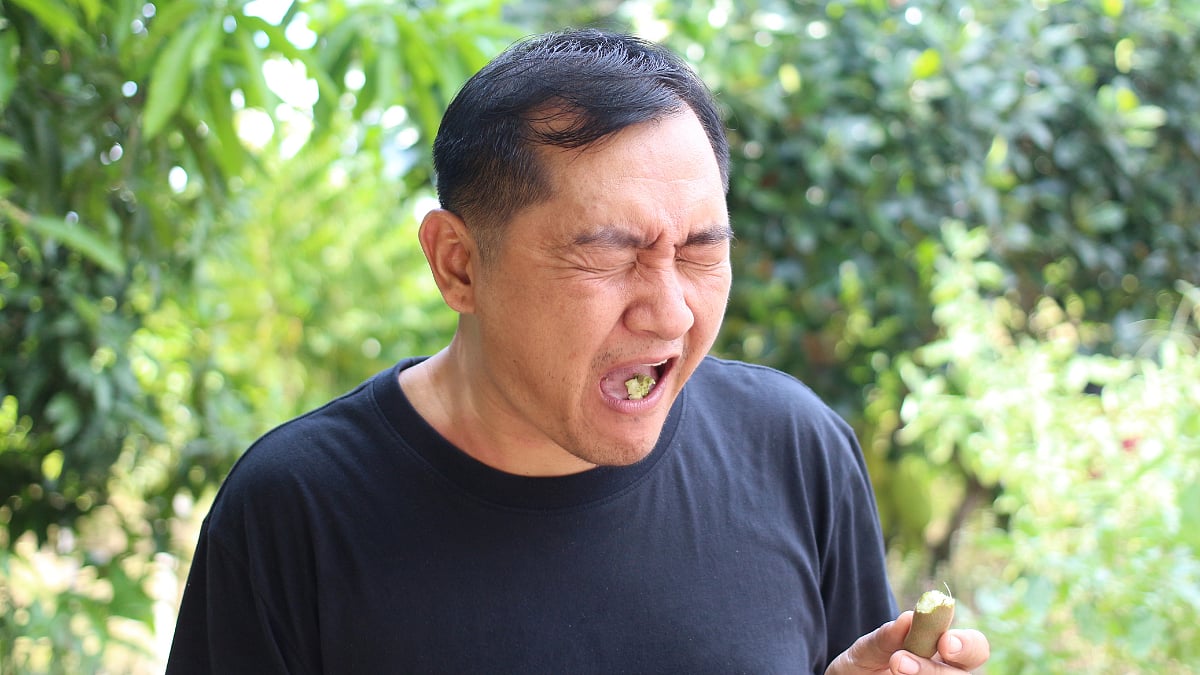
Rasa, or taste, helps us identify the main element of a substance. Our tongue senses these tastes and their qualities. The six basic rasas are: Madhura (Sweet), Amla (Sour), Lavana (Salty), Katu (Pungent), Tika (Bitter), and Kasāya (Astringent).
As per their dominant element, the Rasa increases or lowers dosha(s) intensity and is connected with the seven Dhatus. In this second part, we understand the last three Rasas and the guna karmas: Katu Rasa (Pungent Taste), Tika Rasa (Bitter Taste), and Kasāya Rasa (Astringent Taste), and related Patanjali products.
Katu Rasa (Pungent Taste)
Increase: Vata and Pitta; Decreases: Kapha
Your mouth feels a stinging pain in this taste. It stimulates the tongue’s front, while causing burning cheeks, and watering of the eyes, mouth, and nose. Pungent items clean the mouth, absorbing food, boosting hunger, promoting digestion and sweating, clean and improve sense organs' efficiency, and efficiently dispose of sticky waste products from the eyes, nose and stotra. Thus, pungent foods and herbs help clear and open the strotas of anna, rasa, and blood vessels.
The pungent taste helps manage obesity, hives, conjunctivitis, eye tiredness and itching, wounds, sores, abdominal worm infestation, joint stiffness, throat infection, and dermatitis. It aids in circulating sluggish blood while improving taste. It dries and spoils oil, muscles, and moisture.

The excess results in dizzy spells, anxiety, dryness of the lips and palate, tiredness, and reduced virility. Due to dominance by air and fire elements, its excessive intake causes burning in limbs and back, high temperature, body aches, shivering, and other issues.
Pungent taste substances include Hing, Black Pepper, Green Leafy Vegetables, Marking Nuts, all bile and urine, and Pañcakola. The exceptions are Dry Ginger, Long Pepper, and Garlic, which are safe and harmless foods with a pungent taste.
Divya Trikatu Churna (10 Gms and 25 Gms) is an effective Ayurvedic proprietary containing Sounth, Marich, and Pippali. It improves digestion, appetite and metabolism, and deals with indigestion issues. It helps the body to absorb nutrients. It also manages respiratory issues like cold, cough, asthma, sinus, and congestion. Other benefits include managing weight, boosting immunity, and cholesterol control.
Tikka Rasa (Bitter Taste)
Increase: Vata; Decreases: Kapha and Pitta
The bitter taste removes the slimy feeling from the mouth and makes the tongue numb. Despite being unpleasant, it increases the taste of other substances, thus making it interesting and aiding in developing food interest. Bitter taste detoxifies while managing obesity, diabetes, intestinal worms, burning feelings, thirst, fever, and dermatological issues.
They aid in Vata carmination and bring in body dryness. Thus, they aid in drying moisture, fat, bone marrow, pus, sweat, urine, etc. They clean the throat and live for efficiency. Fever and toxins due to āma are purged well. They clean breast milk. This taste has a dry, light, cool, and smooth essence, and promotes intelligence well.
Excess intake can cause a decrease in tissues, plasma, fat, bone marrow, and sperm count, roughen the strotas’ wall, mouth dryness, strength reduction, weakness, dizzy spell, and Vātaja ailments.
Bitter taste substances include Pointed and Bitter Gourd, Sandalwood, Margosa, Sugandhabālā, Indrāyņana, Indian Night Shade, Pañcamūla, and Ativisā. The exceptions are Guduchi and Pointed Gourd, which, despite the bitterness, are harmless.
Patanjali Aastha Kesar Chandan Geela Tika (60 Gms) contains the benefits of Chandan or Sandalwood. It provides mental peace and focus, calmness, and removes any negativity.
Kasāya Rasa (Astringent Taste)
Increase: Vata; Decreases: Kapha and Pitta
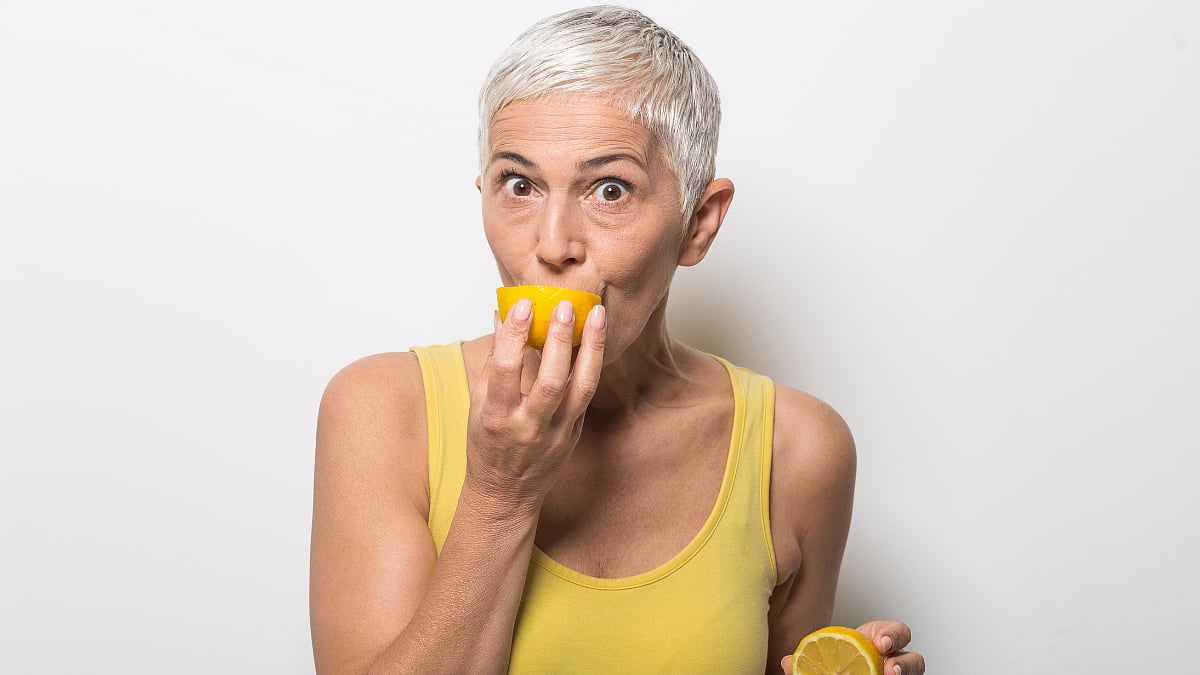
Astringent taste puckers the mount, causes tongue numbness, and tightens the throat and strota. It manages the blood pressure and intrinsic haemorrhage, heals wounds and injured bones, dries medā dhātu and urine, binds loose faeces during dysentery, and melts fat. Astringent food can cause constipation, body firmness. The skin becomes excessively soft, leading to pressure on wounds, boils, and high inflammation of diseased parts. They can absorb the body fluids. Astringent foods are dry, cool, and heavy.
Eating astringent food unduly causes chest pain that can relate to heart, flatulence, talking issues, strota blockage and shrinkage, complexion darkening, reduced virility, too much thirst, weakness, tiredness, obstructing smooth urine flow, etc. As this taste aggravates Vata Dosha, its excessive intake might lead to palsy attack, strokes, stiffness, and convulsion.

Astringent substances include Harara, Bahera, Sirisa, Kadamba, Indian Fig, Honey, Raw Sugar, Lotus, its stem and other substances from the Lotus family, Pearls, and Geru. While Harara is astringent, it is neither cooling nor a binding agent. Therefore, it does not stop faecal removal like other substances.
Pick Divya Khadirarista (450 Ml), which has Ayurvedic herbal power of Khadira, Devadaru, Bakuci, Daruharidra, Haritaki, Bibhitaka, Amalaki, Madhu, Dhataki, Jatiphala, Lavanga, Ela, Tvak, Tejpatra, and Pippali. It helps to purify blood, deal with skin issues like eczema and psoriasis, boost digestion and immunity, support liver and respiratory health, and address stomach issues.
Rasa or taste is the basis for the qualities of all food items. In medicinal preparations, potency is more prominent and is also determined by the taste.
