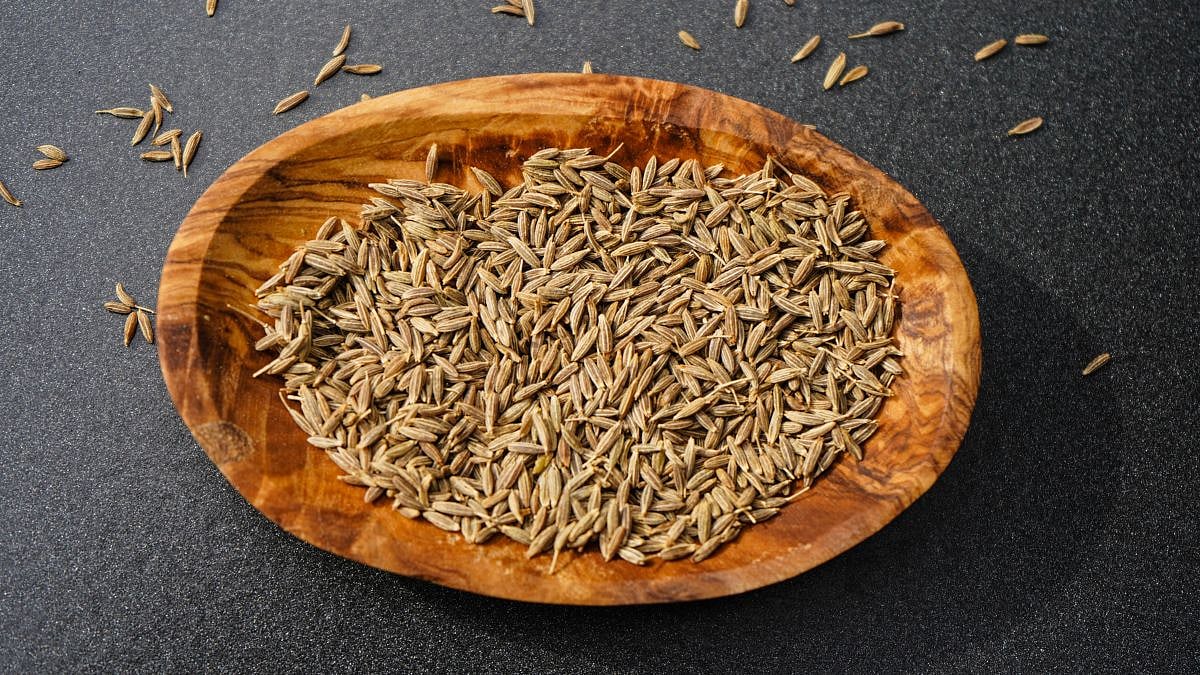
Cumin, popularly known as jeera, is one of the most widely used spices in Indian cooking, adding depth and aroma to curries, tadkas, and masalas. It is equally popular in Middle Eastern, Latin American, North African, and Mediterranean cuisines. In this article, we take a closer look at cumin’s origins, its Ayurvedic health benefits as explained by Acharya Balkrishnaji, co-founder of Patanjali Ayurved.
All About Cumin or Jeera
Cumin is obtained from the seeds of a flowering plant belonging to the parsley family, native to the Mediterranean region and parts of Asia. These tiny dried seeds are valued for their earthy, smoky flavour and are used in both whole and powdered forms. The crop thrives best in cool weather with low humidity.
India dominates global cumin production and exports, contributing nearly 70 to 80 per cent of the world’s supply. Countries such as Syria, Turkey, Iran, the UAE, Egypt, Pakistan, and Afghanistan are also notable producers. In India, Gujarat is the leading cumin-growing state, followed by Rajasthan, West Bengal, Madhya Pradesh, and Karnataka.
Ahead, discover the Ayurvedic benefits of jeera, simple ways to include it in your daily diet, and Patanjali’s range of cumin products.
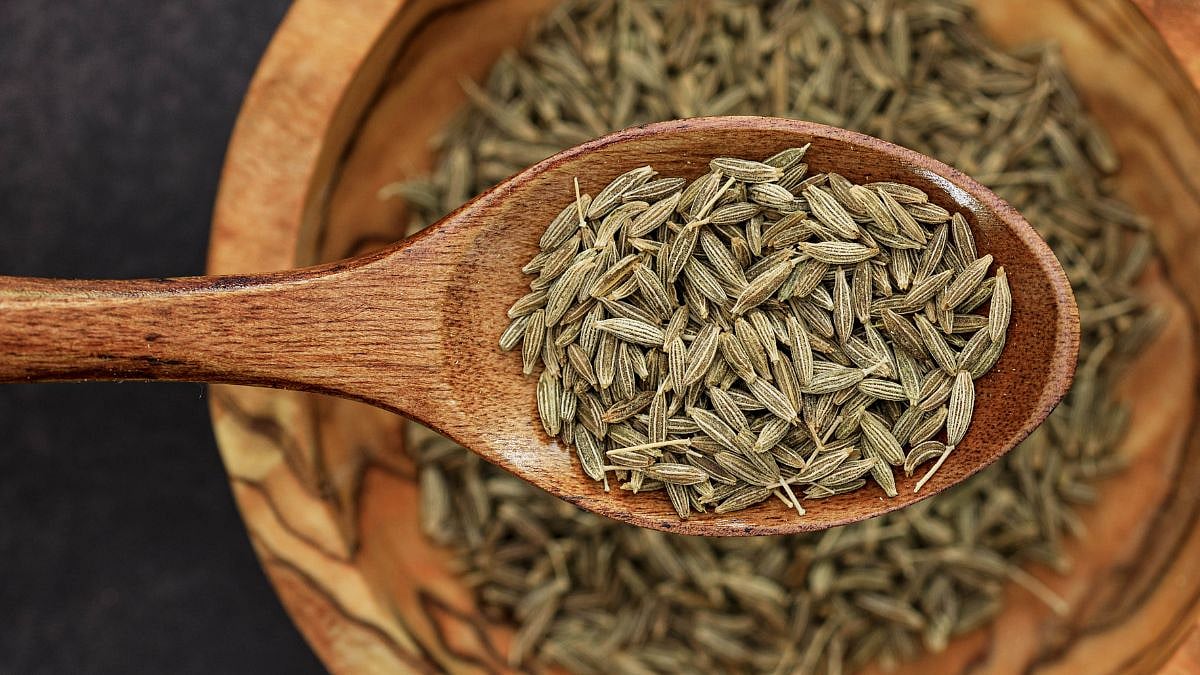
4 Benefits of and Ways to Consume Cumin or Jeera
For Urinary, Gynaecological and Dhatu Rog Issues: n Ayurveda, cumin is highly valued for supporting urinary, reproductive, and overall women’s health. It is believed to promote healthy urine flow, helping flush out toxins and bacteria from the body. Its anti-inflammatory and antimicrobial properties may help reduce inflammation and inhibit bacterial growth, making it beneficial for concerns such as UTIs.
Cumin is also traditionally used to ease painful periods and manage unusual vaginal discharge. For those dealing with dhatu rog-related concerns, it is considered a natural aphrodisiac that supports reproductive well-being. Additionally, it may help reduce uterine inflammation while improving the quality of blood and fat tissues. Its antimicrobial properties are also believed to help in managing gonorrhoea and other chronic infections.
Acharya Balkrishnaji says, “Many a time, due to shame in villages, my mothers and sisters cannot go to the doctor and tell people. Boil cumin seeds in water and drink this brew.”
For Digestive Health: Ayurveda regards cumin as an excellent spice for improving digestion. A simple remedy involves soaking a teaspoon of cumin seeds in water overnight, then boiling and straining the water the next morning. Drinking this warm infusion may help stimulate digestive enzymes, support better breakdown of food, and provide relief from common digestive issues such as acidity, gas, and bloating.
For a Healthy Heart: Cumin may help support heart health by helping regulate cholesterol levels, manage blood pressure due to its potassium content, and reduce the risk of artery blockages through its anti-inflammatory properties. Acharya Balkrishnaji recommends boiling two to three grams of cumin seeds in lukewarm water and adding sugar to the mixture. Drinking this preparation daily is believed to help strengthen the heart.
For Diabetes Control: Studies suggest that consuming cumin may help support healthy blood sugar levels and reduce diabetes-related complications. It is believed to improve insulin sensitivity, lower HbA1c levels, and enhance the activity of hormones involved in fat metabolism and glucose regulation. Cumin may also help reduce pro-inflammatory compounds associated with insulin resistance and chronic disease.
Add Patanjali Ayurved cumin products to your diet for both flavour and wellness benefits. Patanjali Cumin Whole (100 Gms and 200 Gms) is made from carefully selected cumin seeds and packed to preserve its freshness, aroma, and distinct taste, making it ideal for everyday cooking.
You can also try Patanjali Jeera Cookies, made with atta and jeera for a satisfying balance of crunch and texture. Another option is Patanjali Jeera Biscuits (35 Gms and 75 Gms), which are prepared with wheat flour and cumin, these crispy biscuits offer a light, mildly spiced flavour.

You can also try Patanjali Pachak Jaljeera (200 Gms) a refreshing drink mix traditionally consumed to cool the body and support digestion. Another versatile option is Patanjali Garam Masala (100 Gms), which blends cumin with black pepper, salt, yellow chilli, cinnamon, ginger, fenugreek leaves, nutmeg, clove, green cardamom, black cardamom, mace, mustard, and bay leaf to enhance the flavour of Indian dishes.
According to Acharya Balkrishnaji, co-founder of Patanjali Ayurveda, including cumin in your daily diet can significantly support overall health and well-being. Patanjali’s range of cumin-based products offers easy and flavourful ways to incorporate this spice into everyday meals.

