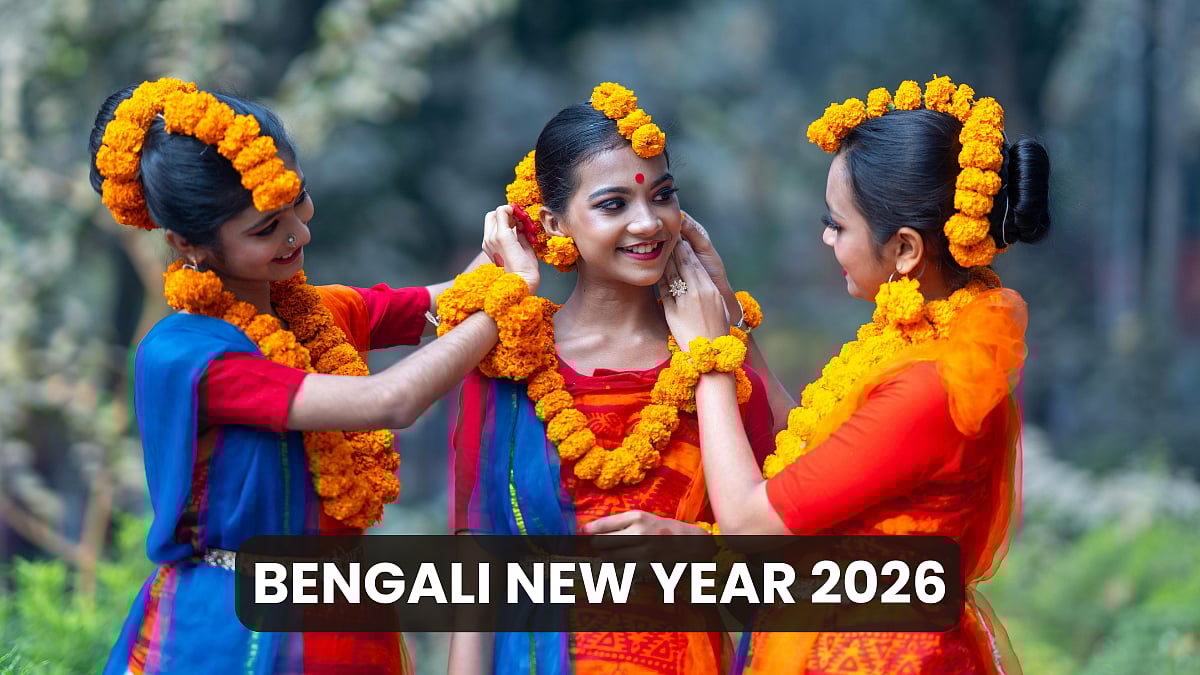
As spring breathes new life into the air, Bengalis across India and beyond gear up to celebrate their vibrant New Year, Pohela Boishakh, also known as Nobo Borsho. Rooted deeply in culture and tradition, the festival marks a fresh beginning filled with hope, prosperity and togetherness. From colourful processions to indulgent feasts, the day beautifully blends heritage with celebration.
Date & What It Marks
In 2026, Pohela Boishakh will be celebrated on Wednesday, April 15 in India, ushering in the Bengali year 1433. Although the solar transition occurs on April 14, the festival is observed the following day as per the revised Bengali calendar. It signifies the start of a new agricultural and financial cycle, making it especially important for traders and farmers alike.

Significance Of The Festival
Pohela Boishakh symbolises renewal, prosperity and unity. Unlike many religious festivals, it is largely cultural and secular, celebrated by people across communities in West Bengal, Tripura and Bangladesh. It’s a time to leave behind the past year’s worries and step into a new chapter with positivity.
Rituals & Traditions To Follow
Haal Khata Ceremony:
One of the most important customs, especially for business owners, is Haal Khata, the ritual of closing old account books and opening new ones. Customers are often invited to shops and greeted with sweets and goodwill.
Traditional Attire & Decorations:
Homes are adorned with intricate alpona (rangoli-like art), while people dress in festive attire, women in white sarees with red borders and men in kurtas or dhotis. While, no celebration is complete without food! Traditional dishes like panta bhat (fermented rice) and ilish (hilsa fish) are staples, symbolising abundance and cultural pride.
Pohela Boishakh is more than just a New Year, the day is marked with music, dance, fairs and processions that showcase the richness of Bengali heritage.

