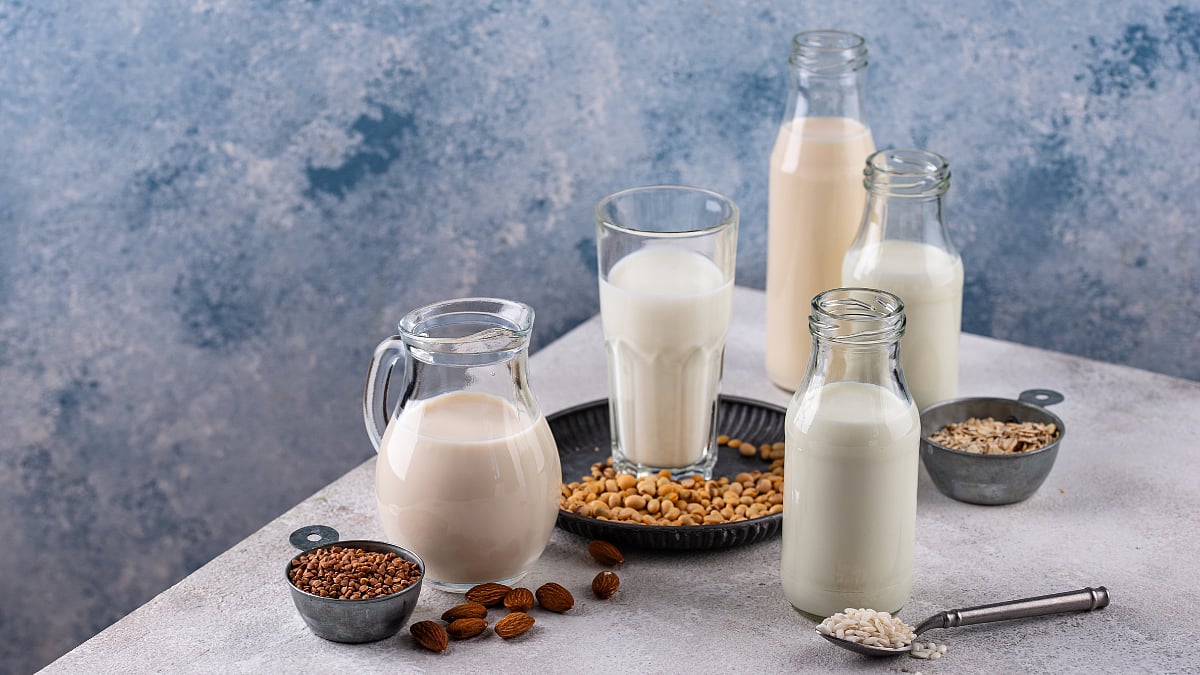
Many people are unable to drink milk. And this can hamper nutrient intake. Milk alternatives come into the picture here. Acharya Balkrishnaji, co-founder of Patanjali Ayurved, discusses the reasons, simple alternatives to replace milk, and Patanjali products to use to make them.
Why Are You Intolerant to Milk?
Inability to drink milk means one cannot properly react to milk proteins. In lactose intolerance, the digestive system cannot break down lactose, the sugar in milk. When you drink milk, your body wrongly identifies the protein as dangerous and attacks it. Signs include skin rashes, wheezing, swelling, diarrhoea, vomiting, and even anaphylaxis.
Ayurveda calls it 'Ksheeralasaka' or a dosha-related allergy in which the weak digestive system and vitiated doshas make milk act as a toxin. But first, understand if it is a protein allergy or lactose intolerance. However, choose healthy alternatives. Here are options, along with the Patanjali products useful in creating them.
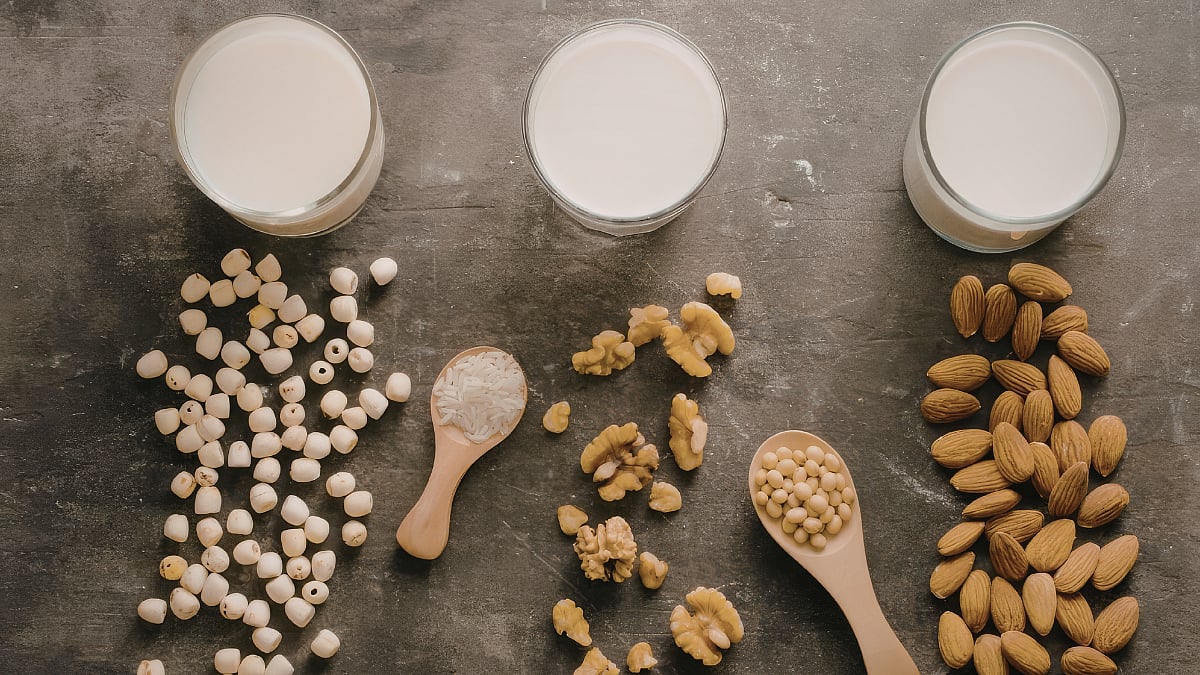
4 Healthy Ayurvedic Alternatives to Milk
Flaxseed: Acharya Balkrishnaji reveals, “If you want an alternative to replace milk, I would suggest a simple experiment that will give you power and work as a breakfast option. Take a few almonds, dry figs, raisins and a few flaxseeds. These seeds are not expensive and have been used by Indians for ages. Soak everything overnight. In the morning, grind it very finely, and then sieve it through a fine filter. Whatever remains should be ground again and sieved again through a fine filter. You will get around one or one and a half glasses of milk, which will provide you with energy and strength.” Patanjali Fig (Anjeer) (250 Gms) is high in nutrients such as zinc, manganese, magnesium and iron, antioxidants, vitamins A, E and K, and natural sugars. Patanjali Munakka Raisins (250 Gms) have cooling properties, are great for digestion, and help lower weight.

Rice Milk: This gluten-free and light option is great for those with Kapha Dosha since it forms less mucus. This slightly sweet option works for those who are allergic to grains and nuts. But those with blood sugar issues should avoid it due to its high levels of glycaemic index. After soaking a cup of warm and cooked rice, mix it with three to four cups of water in a blender and strain. Add a small pinch of cinnamon, dry ginger or black pepper for digestion. Patanjali Sona Masoori Rice (1 Kg and 5 Kg) is a fragrant, medium-grain rice perfect for making rice milk. It has the essential nutrients like calcium, manganese, potassium and iron, and is low in fat.
Almond Milk: This popular option has a nice consistency and is high in fibre, protein, vitamins, antioxidants, and minerals. Have it warm in the morning or before sleeping. Add spices like cardamom, saffron, cinnamon or dry ginger to avoid congestion. Soak about 10 to 15 raw almonds in hot water for two hours. Remove the peels. Then blend these in half or two full cups of warm water. Add honey or date syrup for sweetness. Strain this mix for the final milk. Patanjali Mamra Almond Premium (250 Gms and 500 Gms) has a rich texture and is rich in potassium, iron, zinc, calcium, vitamin E, B2 and B3, antioxidants, and fibre.
Oat Milk: This healthy, fibrous and cooling alternative calms the Vata dosha. Due to oats’ inherent heaviness, drink it in measured amounts with warm spices like ginger, cinnamon, clove, black pepper, and cardamom. Take one cup of rolled oats and add it to three to four cups of filtered cold water. Add a tablespoon of honey and a pinch of cinnamon. Blend it in a mixer and then strain the mixture. Use Patanjali Oats – rolled oats (40 Gms, 200 Gms and 1 Kg) – to make oat milk. It is high in fibre and protein and is cholesterol-free.
If facing trouble with regular milk, these alternatives help your health without the side effects. Follow the suggestions by Acharya Balkrishnaji, the co-founder of Patanjali Ayurved, and use Patanjali products to make these options.
