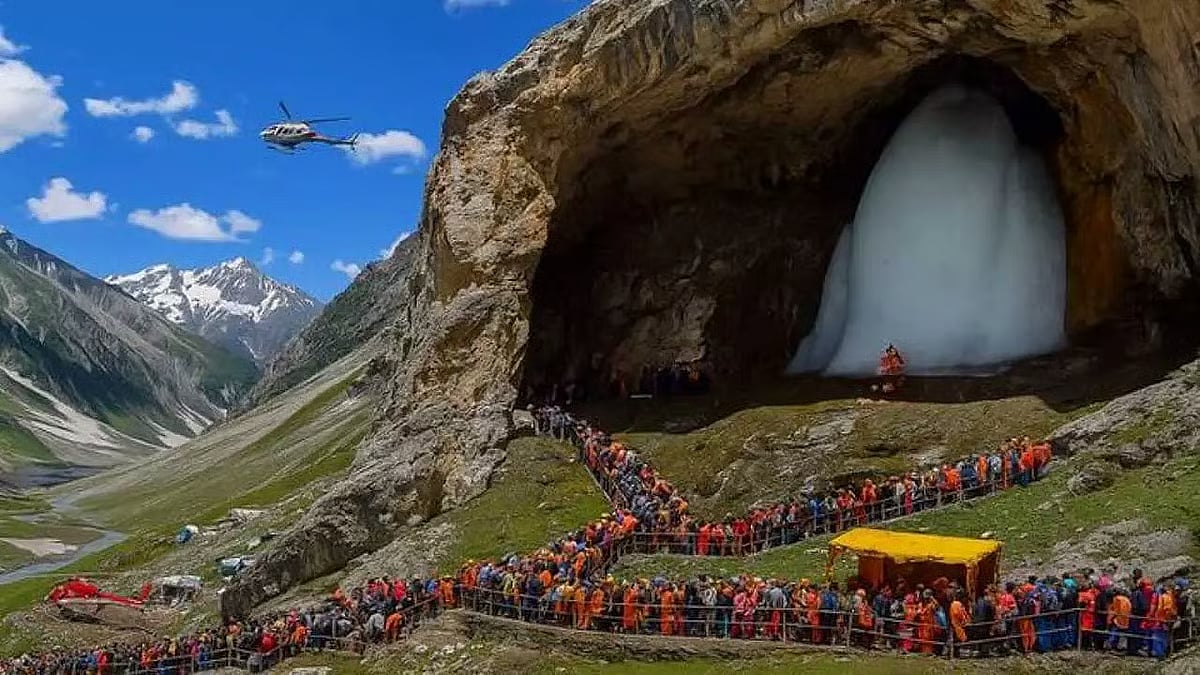
As lakhs of devotees prepare for the Amarnath Yatra 2026, one question continues to fascinate pilgrims and first-time visitors alike: how does the sacred ice Shivling inside the Amarnath Cave appear every year? Hidden deep in the Himalayas, this naturally formed ice formation is not only a marvel of nature but also one of Hinduism's most revered symbols of faith, drawing worshippers from across the country.
Amarnath Yatra 2026 date
The annual pilgrimage will begin on July 3 and conclude on August 28, 2026, spanning 57 days. During this period, devotees undertake a challenging trek through the mountains of Jammu and Kashmir to seek blessings at the holy Amarnath Cave Shrine, situated at an altitude of nearly 3,888 metres.

Amarnath Yatra | File Image
Mystical tail behind the sacred shivling
Unlike man-made Shivlings found in temples, the Amarnath Shivling is believed to be Swayambhu, meaning self-manifested. Inside the cave, water droplets continuously fall from the rocky ceiling. As temperatures remain extremely low, these droplets freeze layer by layer on the cave floor, gradually forming a towering ice stalagmite. This upward-growing ice formation is worshipped as a manifestation of Lord Shiva.
Alongside the main Shivling, two smaller naturally formed ice structures are traditionally believed to represent Goddess Parvati and Lord Ganesha, making the cave even more spiritually significant.
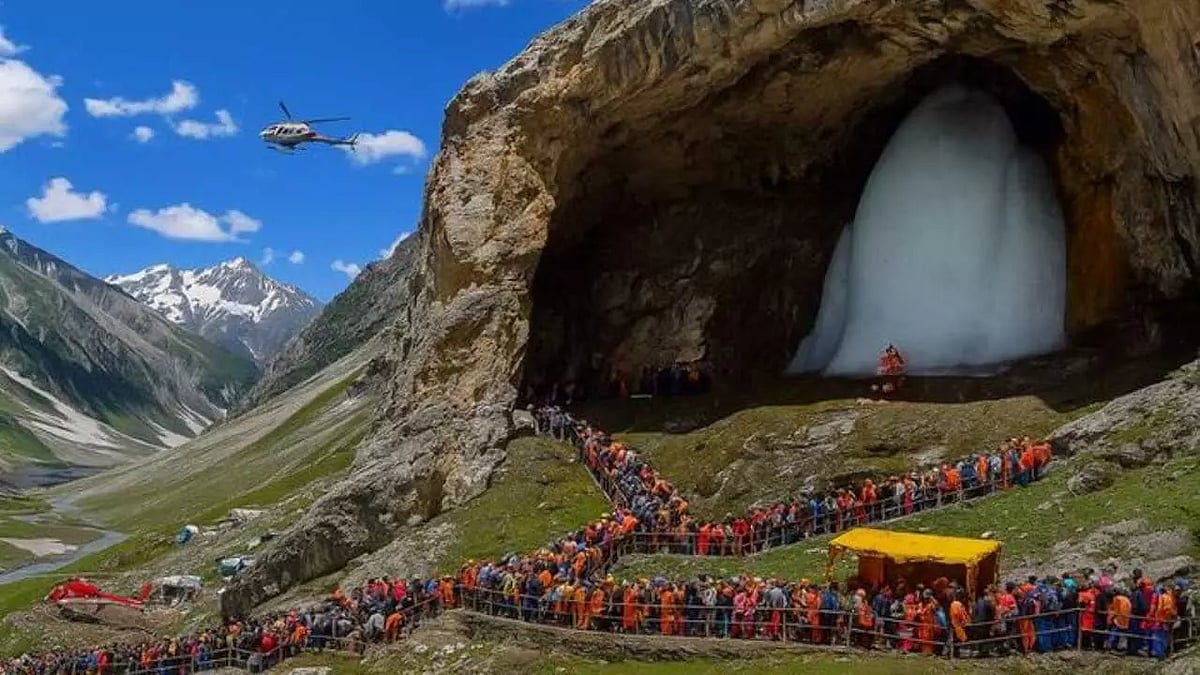
The size of the ice Shivling changes throughout the pilgrimage season. As snow melts in the surrounding Himalayan ranges, more water seeps through the rocks, contributing to its growth. According to Hindu belief, the Shivling also waxes and wanes with the phases of the moon, reaching its fullest form around the time of the annual festival.

The cave itself holds immense religious importance. According to popular legend, this is where Lord Shiva revealed the secret of immortality, known as the Amar Katha, to Goddess Parvati after leaving behind all worldly companions to ensure complete secrecy.

