Receiving an emergency call in the early hours of the morning is the last thing engineers want to see in infrastructure and operations. For a long time, late-night issues, needing to restart manually, and dealing with patches have been part of IT operations. Still, modern businesses run on much bigger scales and use more sophisticated applications, so using traditional incident management no longer works well. The rise in infrastructure automation and DevOps is letting teams switch from dealing with emergencies to making their systems safer in the long run.
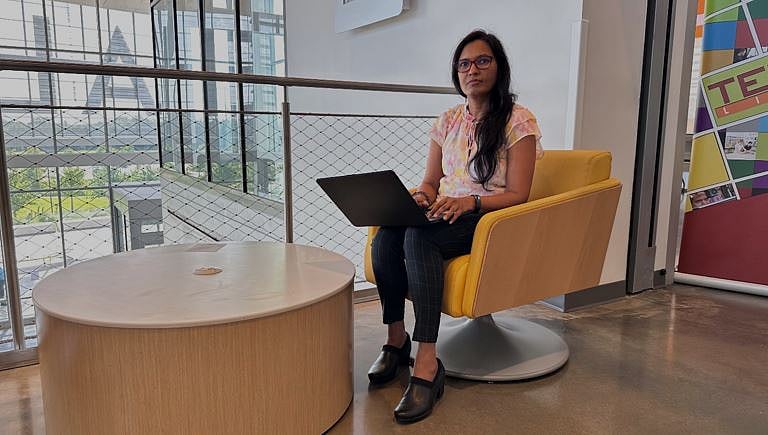
Leading the way in this change is Shailaja Beeram, who is highly skilled in DevOps and infrastructure and has continued to introduce automation to prevent nighttime disruption. Thanks to her expertise in designing systems that heal themselves, Shailaja has initiated important changes in how production environments are handled and looked after. Among her previous tasks are the development of complete CI/CD pipelines, adding policy-as-code to ensure compliance, and relocating old infrastructure to frameworks such as Terraform and Bicep, making the environment more effective and dependable.
Shailaja has been concentrating on how to use intelligent automation in DevOps so that it identifies and responds to issues automatically, without waiting for anyone to take action. Using zero-touch CI/CD pipelines including quality gates and rollback features, she provided secure and repeatable deployments everywhere. She brought Azure Monitor and Application Insights into play with GitHub Actions and Logic Apps, allowing her to handle regular issues such as crashed services or high CPU usage by herself. Consequently, MTTR shrinks and overnight incidents decrease by a significant amount.
There were challenges along the way when this transformation started. A major challenge was that each team deployed applications in different ways and mainly depended on manual tasks. By adopting uniform tools and using early-stage notice, Shailaja made sure the infrastructure was more unified and followed all policies. Using her approach, teams could create compliant production environments in minutes instead of days and got over 90% fewer errors in their manual deployments.
It is very impressive how much these initiatives have improved outcomes. Because incident calls dropped by 80% at off-hours, engineering teams were less stressed and managed to have regular working hours again. Performing deployment tasks manually decreased by more than 70%, giving engineers more time for new ideas instead of simple chores. They weren’t only faster; they also made the system reliable, made it easier for users, and prepared for future audits. Since the industry she worked in was regulated, Shailaja showed that combining automated processes with compliance makes both stronger.
In her opinion, infrastructure automation is about more than new technology; it changes the whole culture around it. In her opinion, the infrastructure of today should be able to respond to problems, fix itself, and be reviewed at all times. She suggests that it is the future to merge the use of AI for predicting problems, with DevOps and its automated processes starting from when code is written to its release to users. According to her view, organizations with the highest chance of success will give equal attention to tools and their teams.
In conclusion, as enterprises grapple with scale, complexity, and regulatory pressures, the old ways of managing infrastructure are rapidly becoming obsolete. Shailaja Beeram’s work stands as a clear example of how automated DevOps practices are not just eliminating emergency calls they’re reshaping the very foundation of operational resilience.

