
Indore (Madhya Pradesh): The unauthorised use of hooters by private vehicles has become increasingly noticeable on roads. Hooters have been associated with emergency vehicles like ambulance, fire brigade and police cars, signalling urgency and the need for immediate attention. However, the blatant misuse of hooters by non-emergency vehicles raises significant concern and has multifaceted impacts on society.
The primary motivation behind this misuse of hooters is the desire to avoid traffic laws and hasten personal travel. By mimicking emergency vehicles, these drivers can manoeuvre through traffic with ease, avoiding usual delays. This unauthorised use sets a dangerous precedent, encouraging others to follow suit. The use of hooters is strictly regulated and is meant for emergency responders who are on their way to potentially life-threatening situations. When private individuals exploit this for personal gain, it diminishes the seriousness and urgency associated with real emergencies.
This is particularly prevalent among young drivers or those seeking an adrenaline rush. However, this is far from a harmless prank. The unpredictable nature of such actions can lead to confusion and chaos on roads, as other drivers may react abruptly, thinking a genuine emergency vehicle is approaching. This can result in accidents, road rage incidents and an overall increase in traffic hazards.

According to clinical and child psychologist Dr Ajay Sharma, conditioning can be a result of the misuse of hooters. When individuals are exposed to frequent alarms or warning signals that do not correlate with genuine emergencies, they may become desensitised to such cues over time. This desensitisation can create a ëcry wolfí scenario, as people may ignore or underestimate the severity of real emergency situations, leading to delayed responses and increased risk. Conditioning is an important principle in learning theory. The proliferation of hooters on private vehicles dilutes the effectiveness of these warning signals.
Section 190(2) in The Motor Vehicles Act, 1988 states that 'Any person who drives or causes or allows to be driven, in any public place, a motor vehicle that violates the standards prescribed in relation to road safety, control of noise and air pollution shall be punishable for the first offence with [imprisonment for a term which may extend to three months or with a fine which may extend to ten thousand rupees or with both and he shall be disqualified for holding a licence for a period of three months] and for any second or subsequent offence with [imprisonment for a term which may extend to six months or with a fine which may extend to ten thousand rupees or with both].'
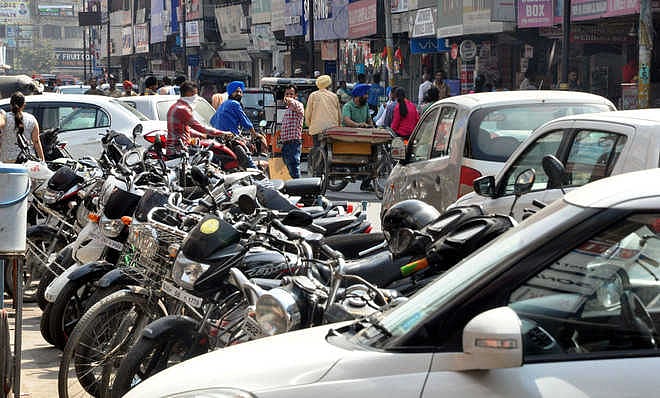
Arvind Tiwari, DCP Traffic, states that in most cases, unauthorised vehicle hooters are either confiscated or subjected to fines after removal. Confiscation and fines, as currently practised, are steps in the right direction but must be consistently enforced. Citizens should adhere to traffic laws and refrain from using unauthorised hooters. By respecting these regulations, individuals contribute to a safer and more orderly traffic environment. Through concerted efforts and strict regulations, the prevalence of unauthorised hooters can be significantly reduced.

