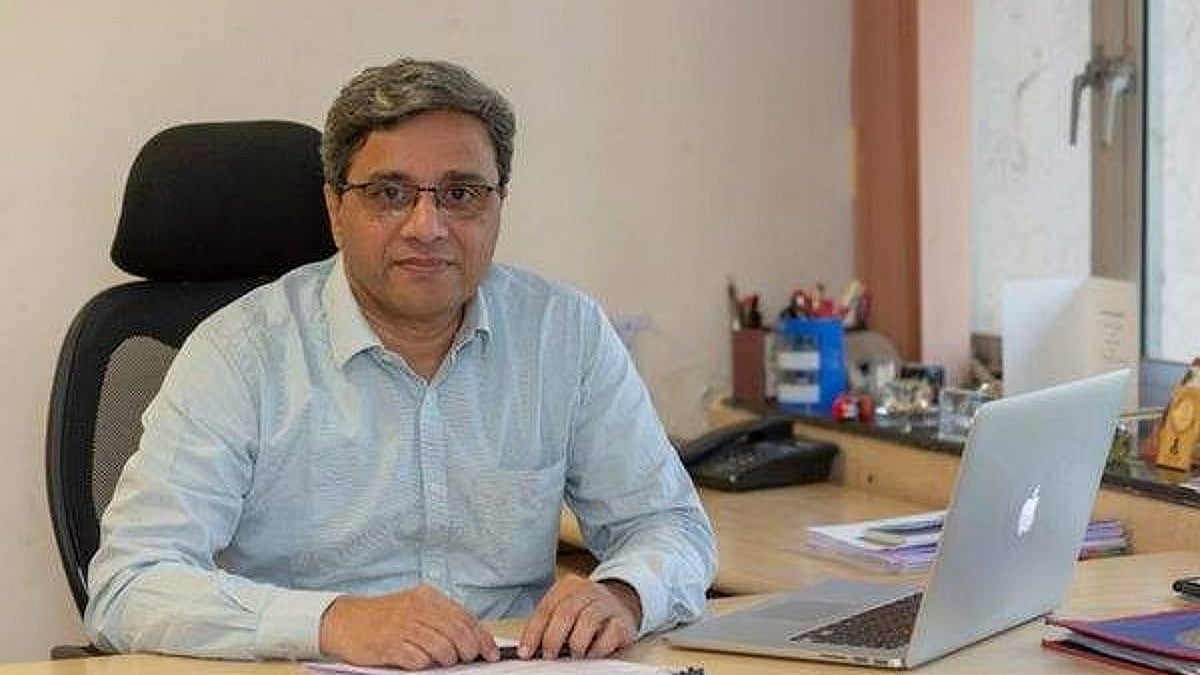
Indore (Madhya Pradesh): Emphasising the urgency of scientific and technology-driven solutions, Indian Institute of Technology Indore director Prof Suhas S Joshi said that water is central to our future, and only through research, innovation and responsible management can we secure this vital resource for generations to come.
“Academic Institutes must lead this mission with evidence-based solutions and sustainable practices,” he said while addressing the inaugural session of National Water Conference 2026, themed “Advancing Water Resources for a Sustainable and Resilient Future” at IIT Indore.
The conference brought together policymakers, leading academicians, researchers, and industry experts. Senior representatives from the Madhya Pradesh government, IIT Delhi and IIT Indore graced the inaugural session.
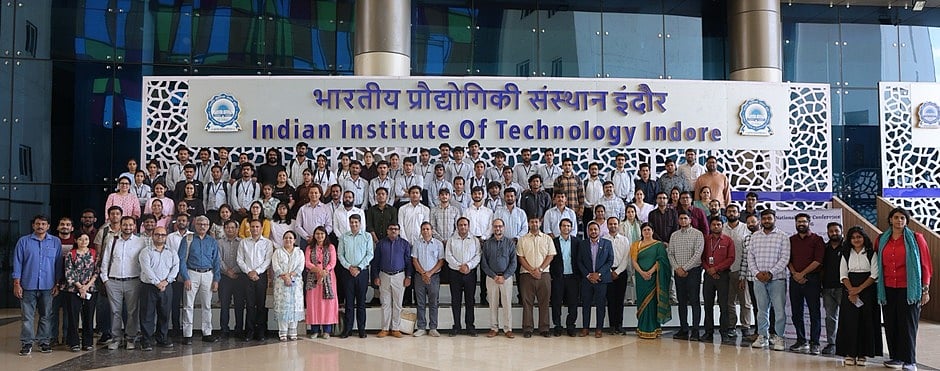
This included chief guest John Kingsley (IAS), secretary, MP government and IIT Delhi professor Prof A K Nema.
More than 150 participants from premier institutions across India took part in the discussions, which focused on water resource management, climate change, geospatial technologies, and sustainable development.

Kingsley emphasised the importance of coordinated action and community-driven initiatives and said that scientific water management must go hand in hand with community participation.
He further emphasised that sustainable water governance requires decentralized models, active public involvement, and strong partnerships between government and academic institutions.
Nema underscored the role of advanced technologies in addressing climate-driven water challenges. “India’s changing hydrological patterns demand smarter, technology-enabled water systems. From AI to remote sensing, integrated digital tools are essential for ensuring long-term water security,” he remarked.


