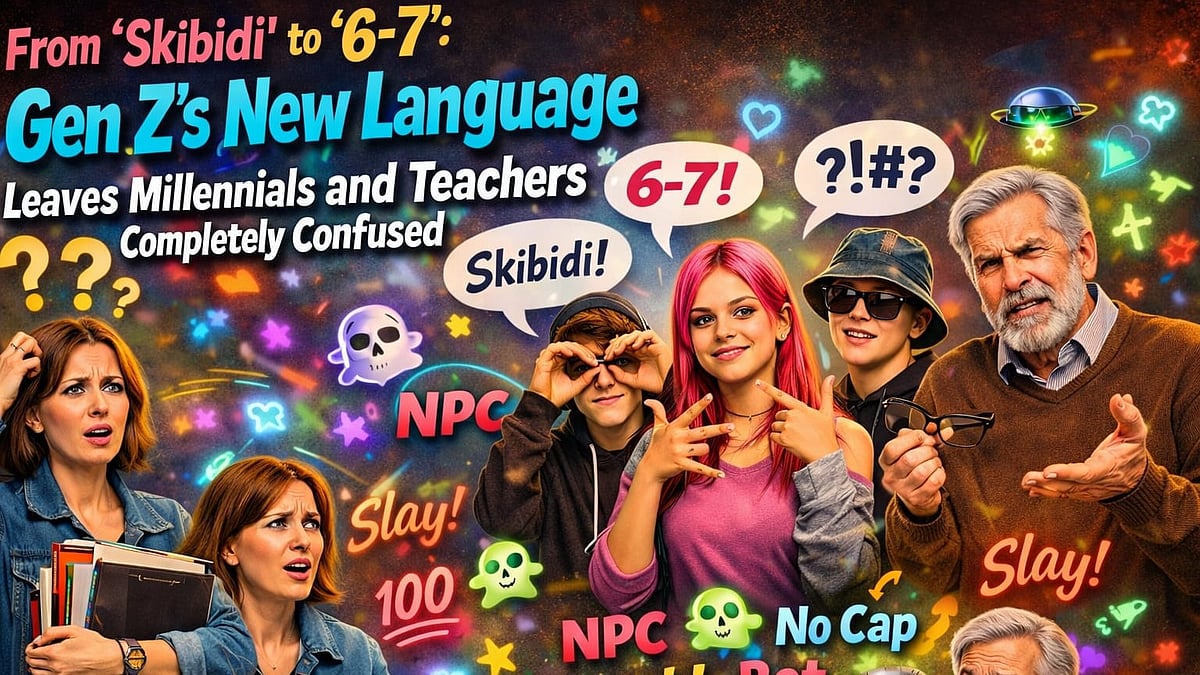
Indore (Madhya Pradesh): Move over dictionaries, Gen Z is rewriting the English language, one viral word at a time. From classrooms to social media feeds, terms like “skibidi,” “6-7,” “gyatt,” “rizz,” and even “sus” are everywhere. To anyone over 25, these words can seem like alien code—but fear not, we’ve decoded them.
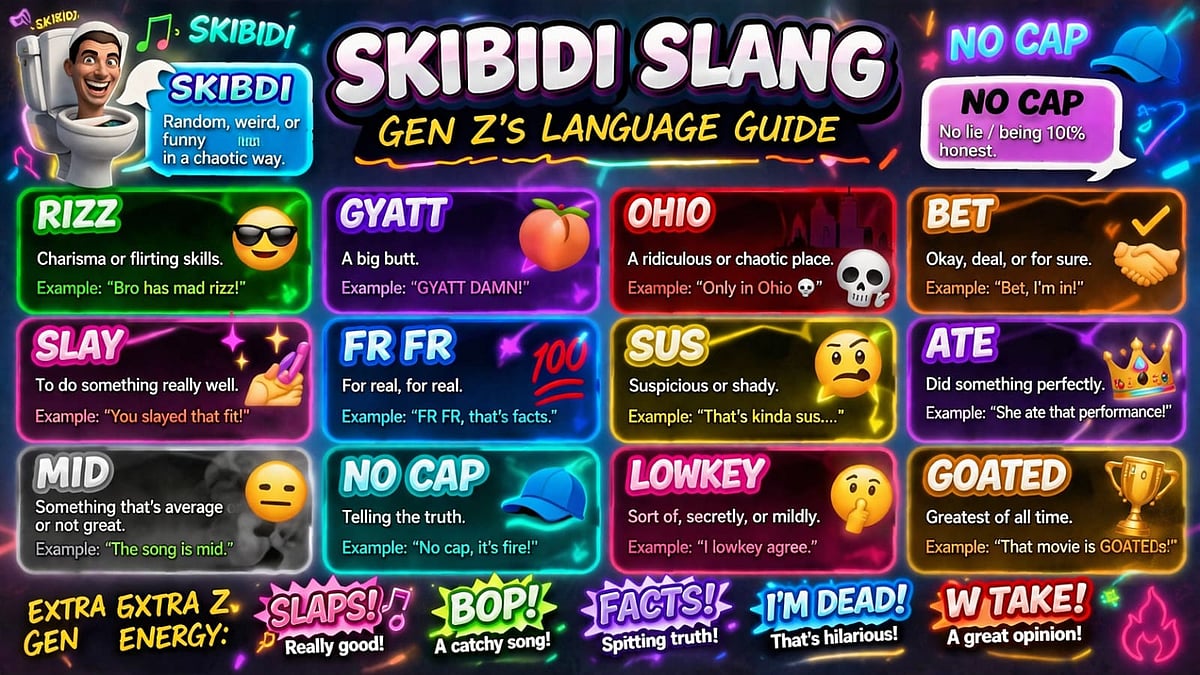
1. Skibidi
Skibidi | AI Generated
Meaning: A flexible expression for excitement, hype, or general absurdity. Think “wow” or “heck yes,” but more chaotic.
Usage: “Skibidi! Free ice cream in the cafeteria!”
Origin & Popularity: Skibidi exploded after a viral TikTok dance using the song clip “Skibidi bop yes yes yes” in 2021–22. Its weird, over-the-top energy made it perfect for memes, challenges, and reaction videos, eventually infiltrating daily teen conversations.
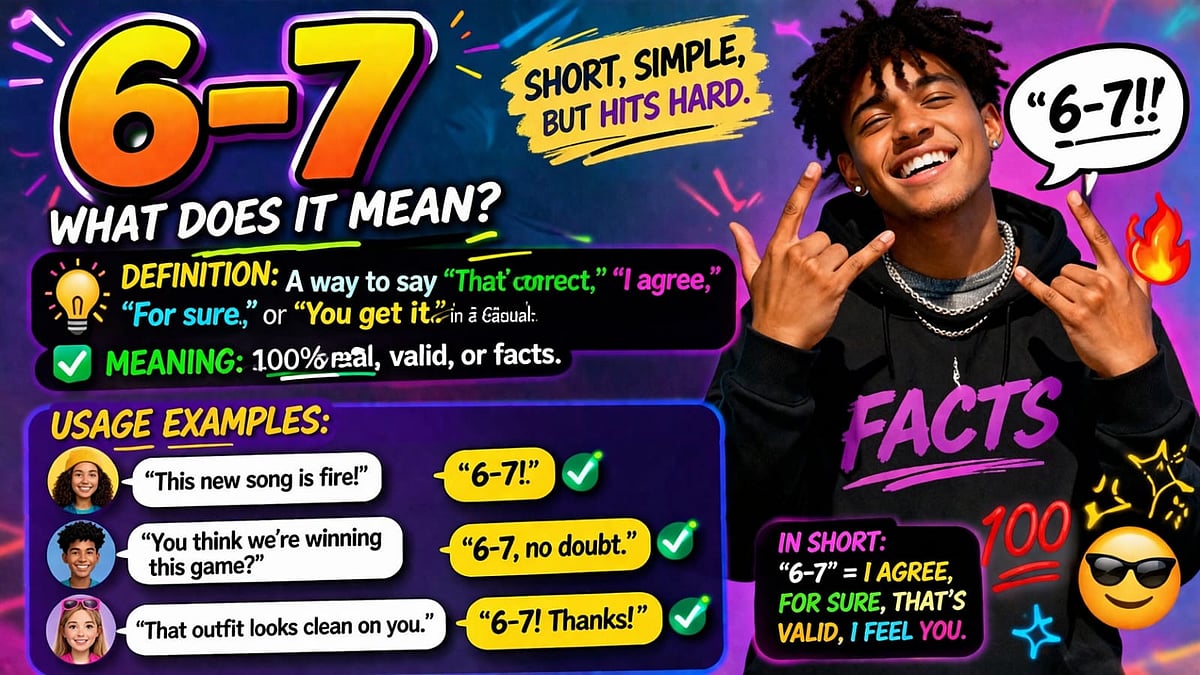
2. 6-7
6-7 | AI Generated
Meaning: Essentially “average” or “meh,” but can also mean “a vibe” depending on context.
Usage: “That new web series? Honestly, 6-7.”
Origin & Popularity: This started in Discord chats and Instagram memes where users humorously rated everything from memes to fast food. It’s now shorthand for lukewarm reactions and subtle sarcasm.
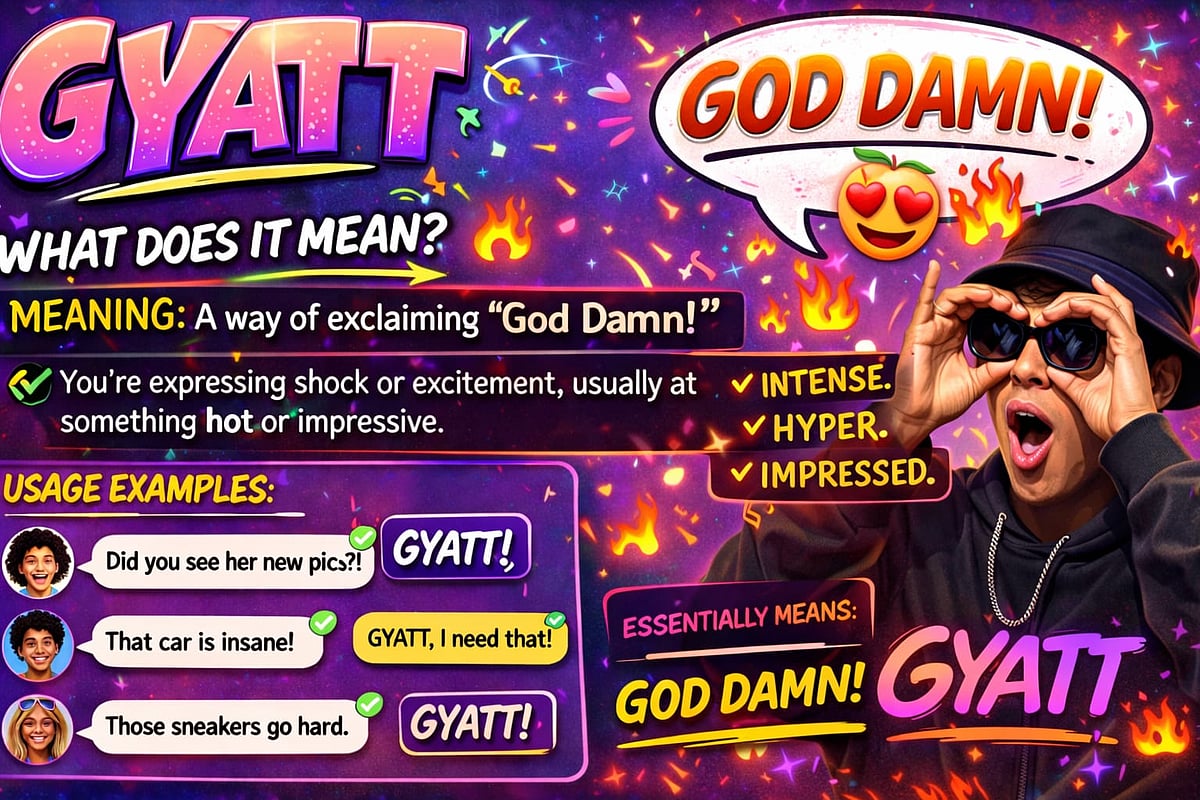
3. Gyatt
Gyatt | AI Generated
Meaning: Short for “goddamn,” typically used to comment on someone’s physique or appearance.
Usage: “Did you see his outfit today? Gyatt!”
Origin & Popularity: Gyatt blew up through TikTok fashion and fitness clips, where users reacted to jaw-dropping looks. Its simplicity and punchy sound made it instantly shareable, and reaction videos solidified its place in Gen Z lexicon.
4. Rizz
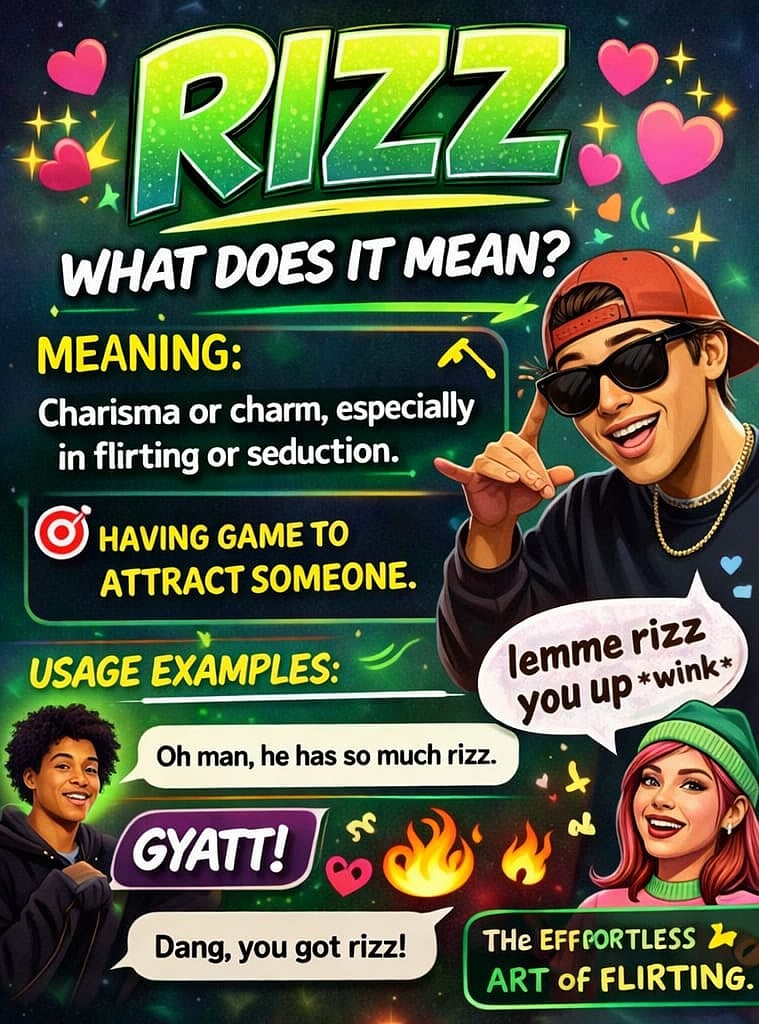
Rizz | AI Generated
Meaning: Charisma, charm, or flirting skills—someone with “rizz” can effortlessly attract others.
Usage: “He’s got rizz.”
Origin & Popularity: Popularized via TikTok dating hacks and Twitch commentary, “rizz” became shorthand for smooth charm. By 2025, it had crossed over into everyday conversation, memes, and even gaming culture.
5. Sus
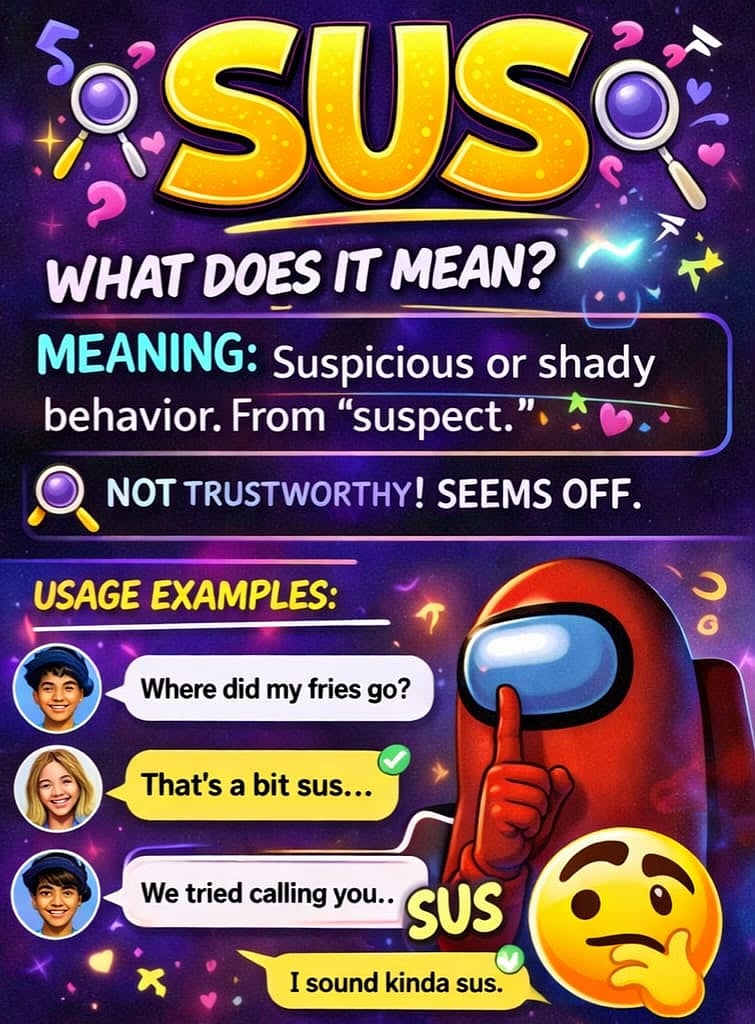
Sus | AI Generated
Meaning: Short for “suspicious” or “suspect,” often playful or joking.
Usage: “He said he finished homework in 5 minutes… sus.”
Origin & Popularity: The term exploded after the online game Among Us went viral in 2020. Since then, “sus” has become shorthand for calling out shady behavior, in-game or in real life.
Why Gen Z Slang Spreads So Fast
Experts say the speed at which these terms become global is unprecedented. Unlike older generations, Gen Z spreads language through social media algorithms, TikTok trends, Instagram reels, and Discord servers, rather than traditional peer-to-peer word-of-mouth. A single viral dance or meme can transform a nonsensical word into a global sensation overnight.
Usage in Daily Life
While many outside Gen Z struggle to keep up, the words are everywhere:
Schools & colleges: Students casually pepper conversations with “gyatt” or “rizz” during group work.
Social media: Memes, TikTok videos, and Instagram captions often feature multiple slangs in one sentence.
Gaming & streaming: Twitch chat, Discord servers, and Among Us sessions have normalised “sus,” “pog,” and “cap/no cap.”
The Bottom Line
Gen Z slang isn’t just playful, it’s fast-evolving, culturally viral, and deeply tied to digital trends. While confusing to outsiders, it’s a way for teens and young adults to signal humour, emotions, and identity in the age of TikTok and viral memes.
In the words of one student: “Language evolves. Yesterday it was LOL, today it’s skibidi 6-7. You either vibe… or you stay confused forever.”
So, if someone says your outfit is “gyatt” or your joke is “sus,” now you know: you’re officially living in 2026 Gen Z territory.