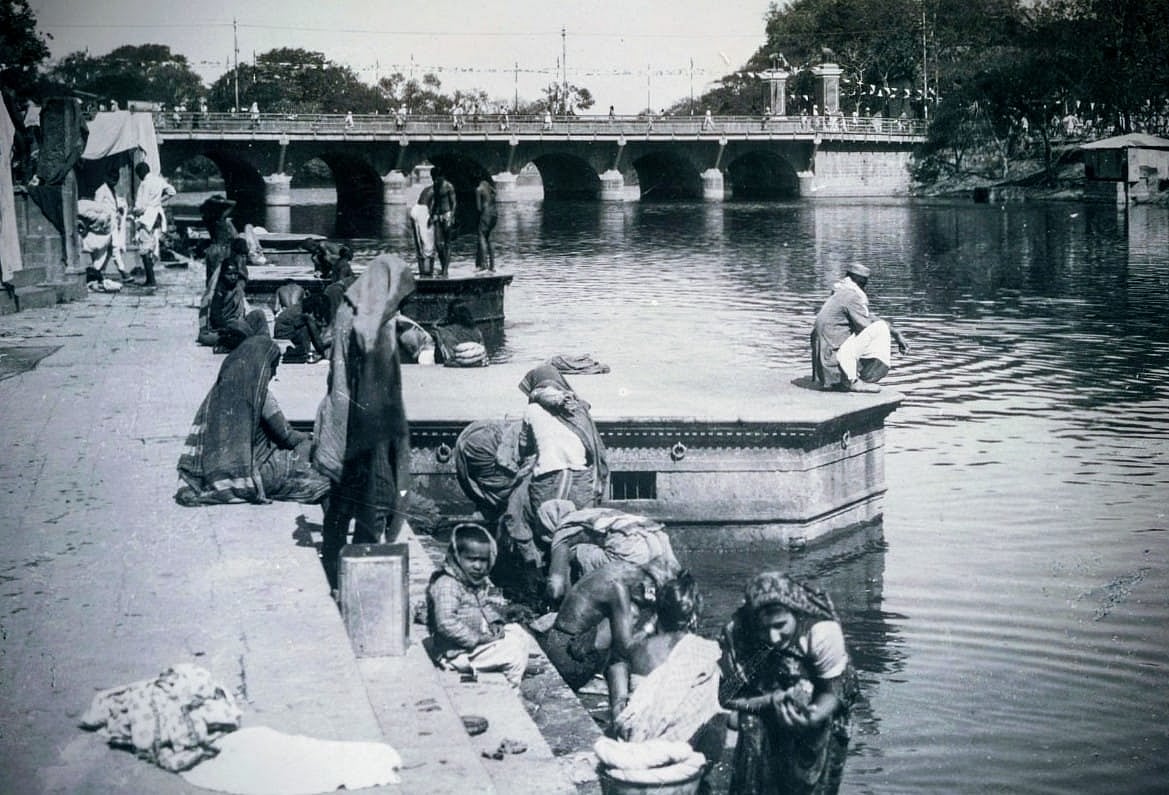
Indore (Madhya Pradesh): Long before pipelines crisscrossed Indore and taps ran at the turn of a valve, water arrived at people s homes on the shoulders of bhishtis water carriers who walked the dusty lanes with leather mashaks.
Historian Zafar Ansari while talking with Free Press said, Indore in the mid-19th century was a small settlement, where every drop of water was precious and deeply tied to faith, daily life and survival. It was in this era that a visionary chapter began.
Faith, water, and copper pots
Yet tradition ran deep. Many Brahmin and Jain families refused water carried in leather bags. Respecting beliefs, a parallel system using copper vessels was created. It was an early example of how Indore balanced modern engineering with cultural sensitivity.
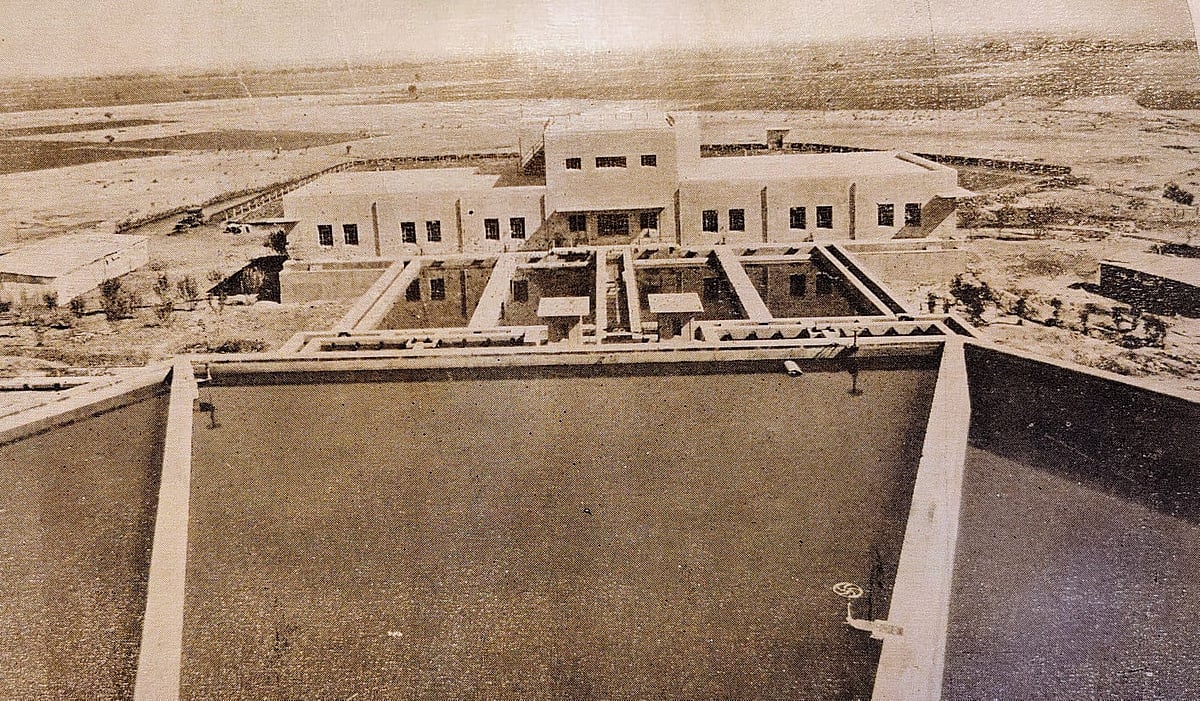
A rare photograph from 1952 of the Yashwant Sagar Filter House, built at Devdharam, about 14 miles from Indore. Here, water from Yashwant Sagar was thoroughly filtered, tested for purity, and then supplied to the city as safe drinking water. | From the collection of Zafar Ansari Museum, Indore.
A King, a Dream, and an English Engineer (1855)
Ansari said that in the middle of the 19th century, Maharaja Tukoji Rao Holkar II recognised that a growing city could not depend forever on wells and stepwells. Clean drinking water was no longer a luxury, it was a necessity. In 1855, he invited Macmahan, an English waterworks engineer, to Indore. Introduced by Sir Robert Hamilton, Macmahan studied the city s rivers, wells, baoris (stepwell) and surrounding lakes with meticulous care.
After extensive surveys and mapping, a bold plan emerged. A stone masonry dam was built near Pipliyapala, four miles from the city. From there, water flowed through a stone-lined canal to Kagadipura, passing close to Lalbagh. In 1866, history was made for the first time, tap water reached select homes in Indore.
Growing city, growing thirst
Zafar Ansari said that as Indore expanded, wells and stepwells continued to serve the population. By 1905, Resident Bojhanket proposed the Bilawali Tank, completed around 1914. Around the same time, a dam near Krishnapura bridge, named after Maharani Krishnabai, ensured summer water supply. The riverbanks became places of bathing, prayer, wuzu, and leisure water as both utility and soul.
Industrial dreams and the Yeshwant Sagar miracle
With textile mills rising and boilers demanding water, the city s needs exploded. The answer came under Maharaja Yashwant Rao Holkar II. In 1939, the monumental Yashwant Sagar dam was completed on the Gambhir River, 14 miles away, at a cost of Rs 73 lakh. Water was pumped 150 feet upward, filtered round the clock, then sent by gravity into the city, Ansari added.
Copper pipelines stretched for miles. Fire hydrants appeared in narrow lanes. A separate sewage system, built with fire bricks and cast-iron ventilation pillars, many still visible ensured that dirty water never mixed with drinking water. Children would wait eagerly for the musical whistle of air in the pipes, announcing that water was about to arrive.
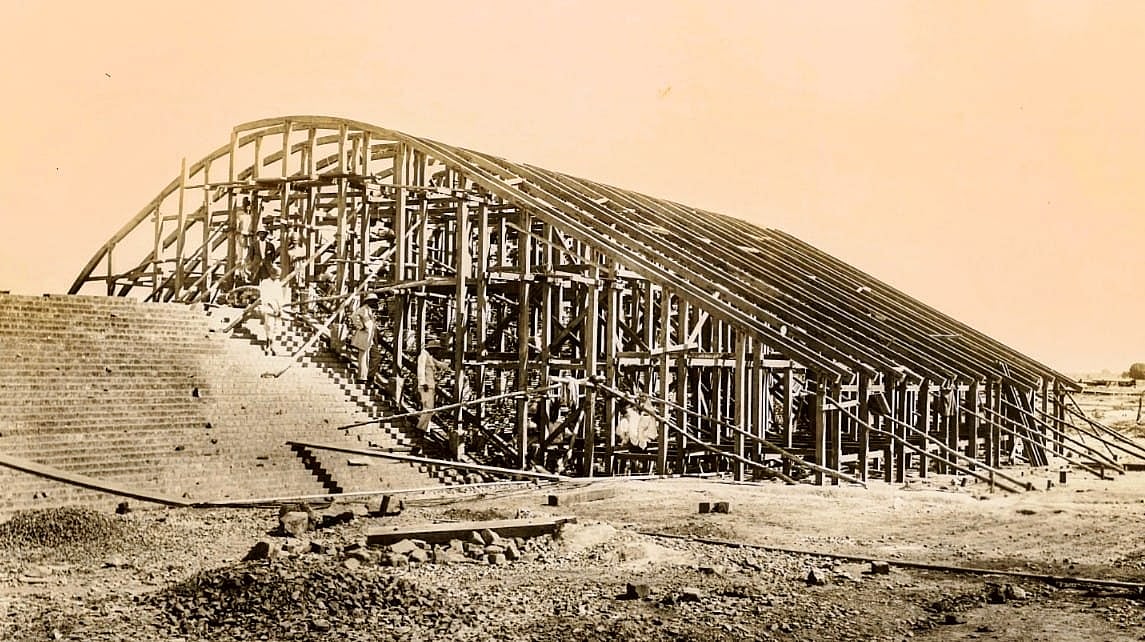
A rare construction-era photograph of Yashwant Sagar, part of the visionary drinking water project initiated by Maharaja Yashwant Rao Holkar II to provide clean water to Indore for decades. Notably, sections of the pipeline used copper pipes to enhance water purity. | From the collection of Zafar Ansari Museum, Indore.

People s Thirst: the Narmada movement
Zafar Ansari said that after Independence, Indore grew faster than ever. By the 1960s, summers brought harsh water crises. The solution lay far away the Narmada River. The idea surfaced in 1966 and by August 8, 1970, it became a historic mass movement. Shops, factories, schools, transport everything shut down. Indore spoke in one voice: Bring Narmada water.
Led by leaders like Homi Daji, the movement reached Delhi. Engineers cut through hills and difficult terrain. Finally, in 1978, Narmada water flowed into Indore, one of India s most ambitious gravity-defying water projects, Ansari added.
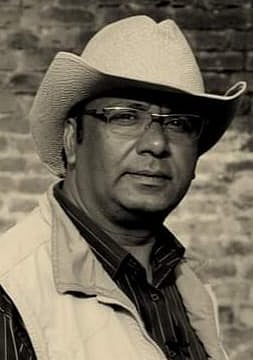
Historian Zafar Ansari |
Indore s history flows like its water from leather bags and stepwells to mighty dams and the Narmada. Every drop carries the vision of kings, the struggle of citizens, and a timeless lesson: clean water is a legacy, not a given.
Zafar Ansari, Historian
Timeline: The Journey of Drinking Water in Indore (Brief)
Pre-1855: Indore relies on wells, stepwells (baoris), ponds and bhishtis who supply water door-to-door using leather bags; separate copper-vessel supply for Brahmin and Jain families.
1855: Maharaja Tukoji Rao Holkar II invites English waterworks engineer Mr Macmahan to plan Indore s first organised drinking water system.
1866: First tap water reaches select homes in Indore after construction of a stone masonry dam at Pipliyapala and canal to Kagadipura.
1905: Proposal for Bilawali Tank to meet growing water demand.
1914: Bilawali Tank completed; provides limited relief.
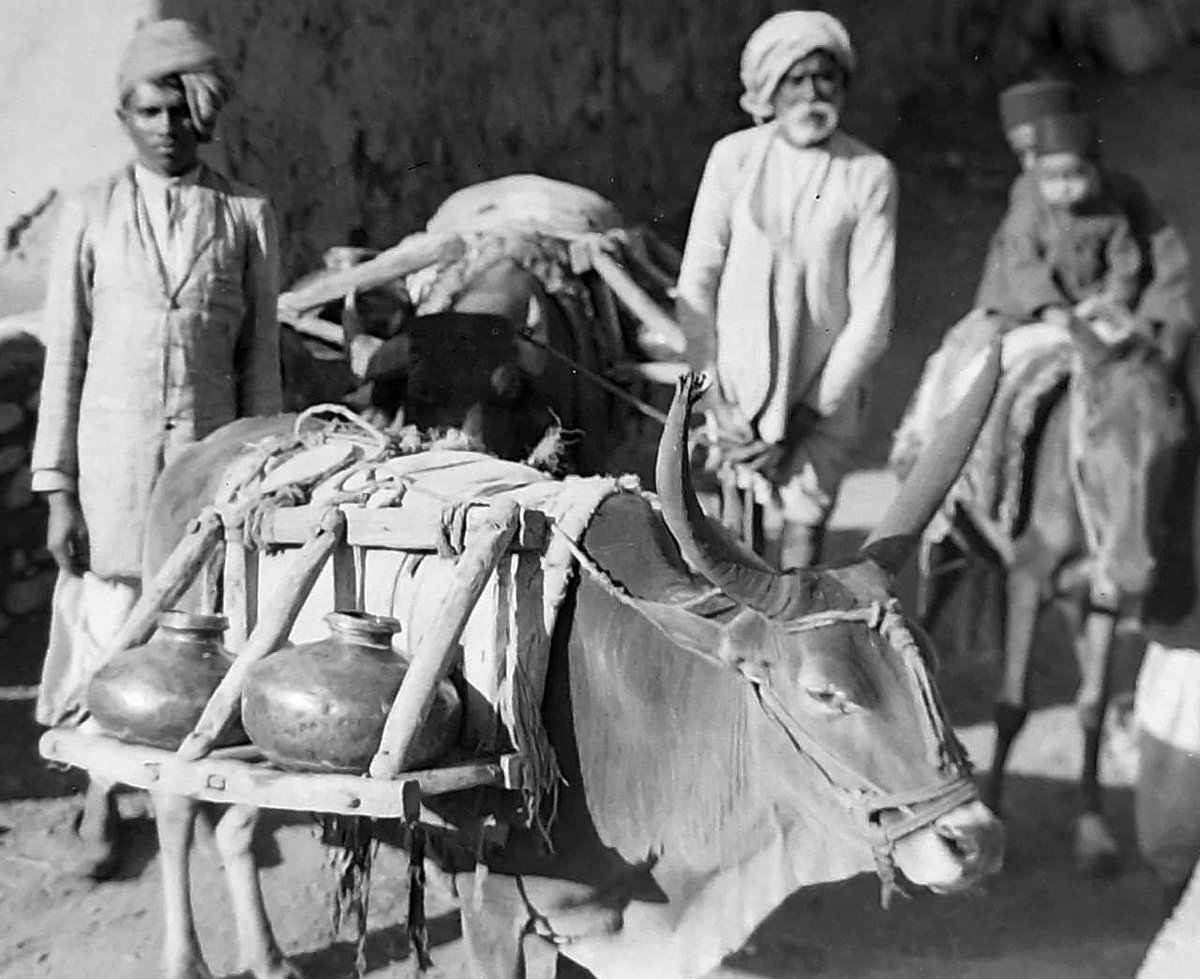
A rare image from the Holkar era showing water being delivered door-to-door in copper and brass pots, placed on specially carved wooden stands and carried by cattle. Many Brahmin and Jain families traditionally avoided water carried in leather bags. | Rare photograph from the collection of Zafar Ansari Museum, Indore.
Early 1900s: Dam near Krishnapura bridge built under Maharani Krishnabai to tackle summer shortages.
1928: Survey of reliable water sources begins for long-term planning.
1939: Yashwant Sagar Dam on Gambhir River completed under Maharaja Yashwant Rao Holkar II; filtered gravity-based water supply begins.
1960s: Severe summer water crises emerge due to rapid population growth and industrialisation.
1966: Demand to bring Narmada water to Indore formally raised.
8 August 1970: Historic citywide Narmada Jal Andolan; Indore shuts down demanding water security.
1978: Narmada water reaches Indore after major engineering and financial challenges.
Post-1978: 24-hour treated Narmada water supply becomes the backbone of Indore s drinking water system.

