Indore (Madhya Pradesh): The long-running legal dispute over the Bhojshala site in Dhar reached the Supreme Court on Saturday after Madhya Pradesh High Court’s Indore bench declared it a 'Temple.'
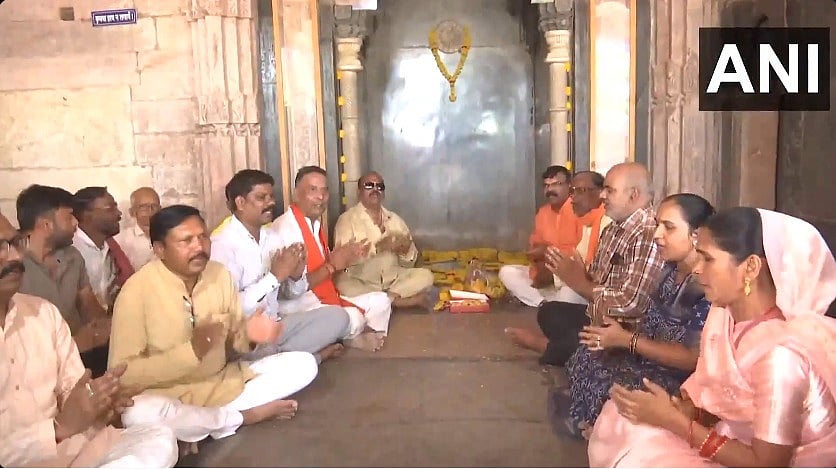
The High Court granted the Hindu side special rights to perform pooja at the Bhojshala premises.
The court also cancelled a 2003 order that had earlier allowed namaz inside the complex.
However, the Muslim community called it a 'one-sided decision' and decided to approach Supreme Court.
Hindu community makes first move
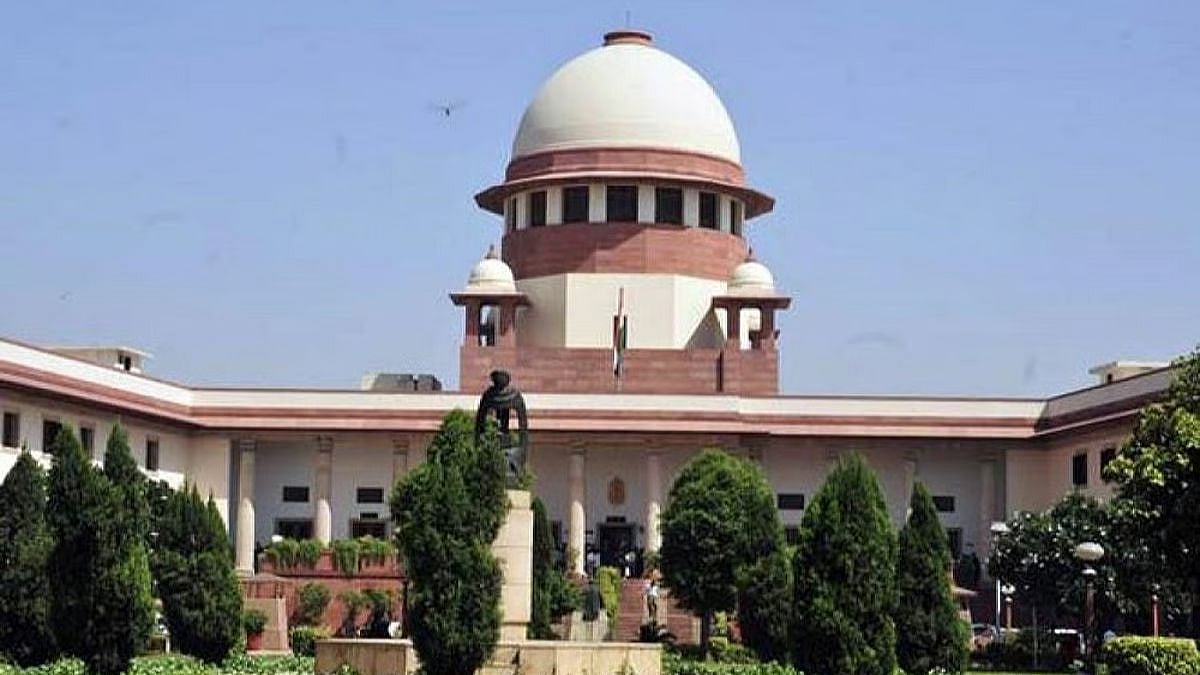
After this decision, the Hindu side moved quickly and filed a caveat in the Supreme Court.
This legal step has been taken to ensure that if the Muslim side challenges the High Court order in the Supreme Court, no unilateral decision or interim order is passed without first hearing the Hindu side.
The caveat was filed on May 15 by the Hindu Front for Justice under the guidance of its national president Ranjana Agnihotri, through senior Supreme Court advocate Vishnu Shankar Jain.
Advocate Vinay Joshi has also confirmed the filing of the caveat.
A caveat in legal terms means that the court must give an opportunity of hearing to the party that files it before passing any interim order, in case an appeal or petition is filed by the opposite side.
This ensures that both sides are heard before any important direction is issued.
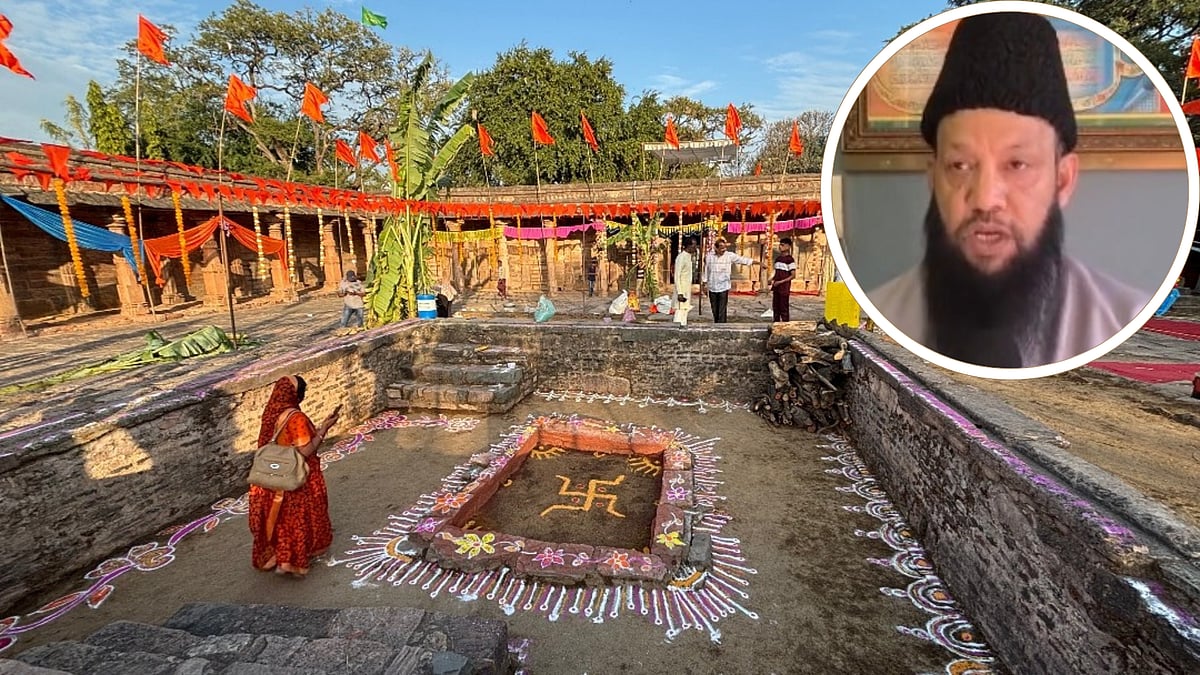
The Hindu side took this preventive legal step because the Muslim side had already indicated that it may challenge the High Court judgment in the Supreme Court after carefully studying the detailed 240-page verdict.
The Madhya Pradesh High Court’s decision was based on a 98-day scientific survey conducted by the Archaeological Survey of India (ASI) and also on historical documents and evidence presented before the court during the hearings.
The Hindu side has maintained that Bhojshala is an ancient site associated with Goddess Vagdevi and was historically a major centre of Sanskrit learning and cultural heritage.
With this development, the legal battle over Bhojshala is expected to continue further in the Supreme Court, making it one of the most closely watched religious-legal disputes in the state.