
Vote counting began on May 4 for the West Bengal Assembly Elections 2026, marking the culmination of weeks of aggressive campaigning, political rallies, and intense public debate across the state. With the BJP taking a significant lead over the TMC, a power shift appears likely in West Bengal after 15 years of Trinamool Congress rule.
The day of counting was, of course, filled with drama and controversies, ranging from allegations of a TMC office being set on fire by BJP in Jamuria to slogans of “Jai Shri Ram” being chanted outside CM Mamata Banerjee’s residence. Another row erupted in Haldia, where TMC candidate Tapasi Mondal alleged that the machine showed 99% charge even though vote counting had been underway since 6 am.
“The machine has 99% charge, how can it be? In which technology is it possible? A machine that was opened at 6 am and used for voting till 6 pm still shows 98–99% charge. It is not clear to us. I have complained regarding this,” she said.
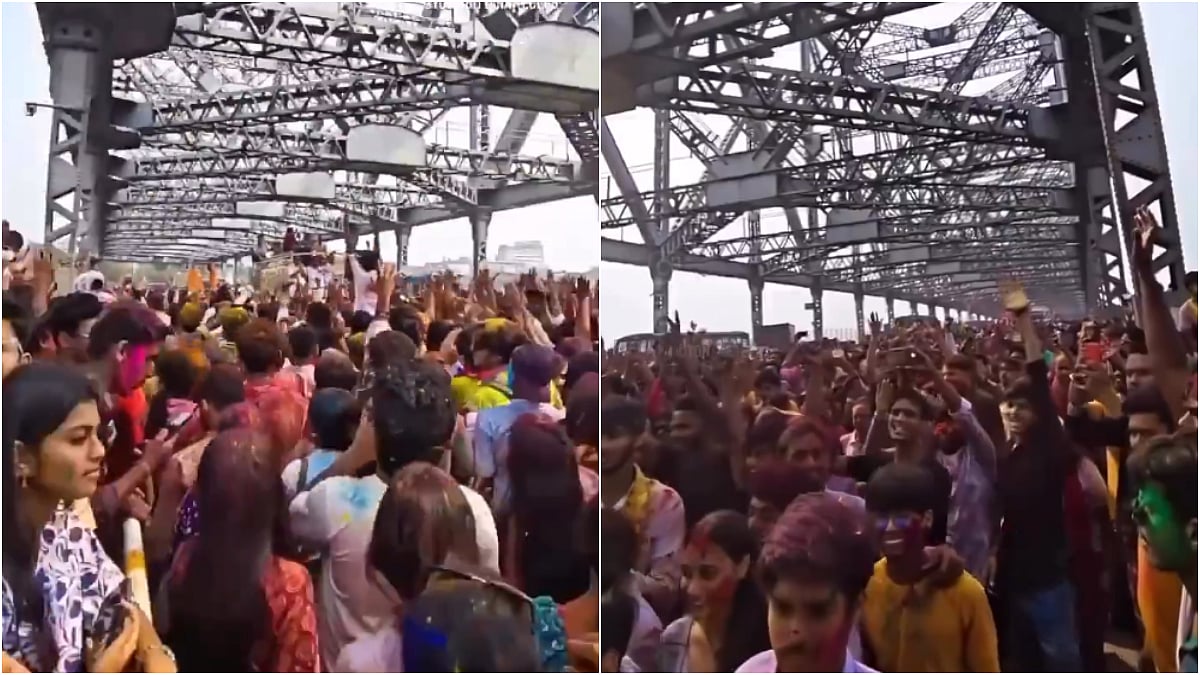

The West Bengal Assembly Elections 2026 saw record-breaking voter participation, underscoring strong public engagement in the democratic process. As per Election Commission data, turnout reached an unprecedented 92.47%, the highest ever recorded in the state for both Assembly and Lok Sabha polls.
Women voters played a significant role, with turnout at 93.24%, surpassing the male turnout of 91.74%. Analysts suggest this could prove crucial in determining the final outcome.
Exit polls, however, have painted a divided picture, heightening suspense. While several agencies indicate an edge for the BJP, the ruling TMC remains a strong contender. Some projections place the BJP between 142 and 175 seats, with Praja Poll even suggesting it could cross 200 seats. Meanwhile, Peoples Pulse predicts a TMC victory under Mamata Banerjee, estimating 177–187 seats, keeping the contest wide open.

