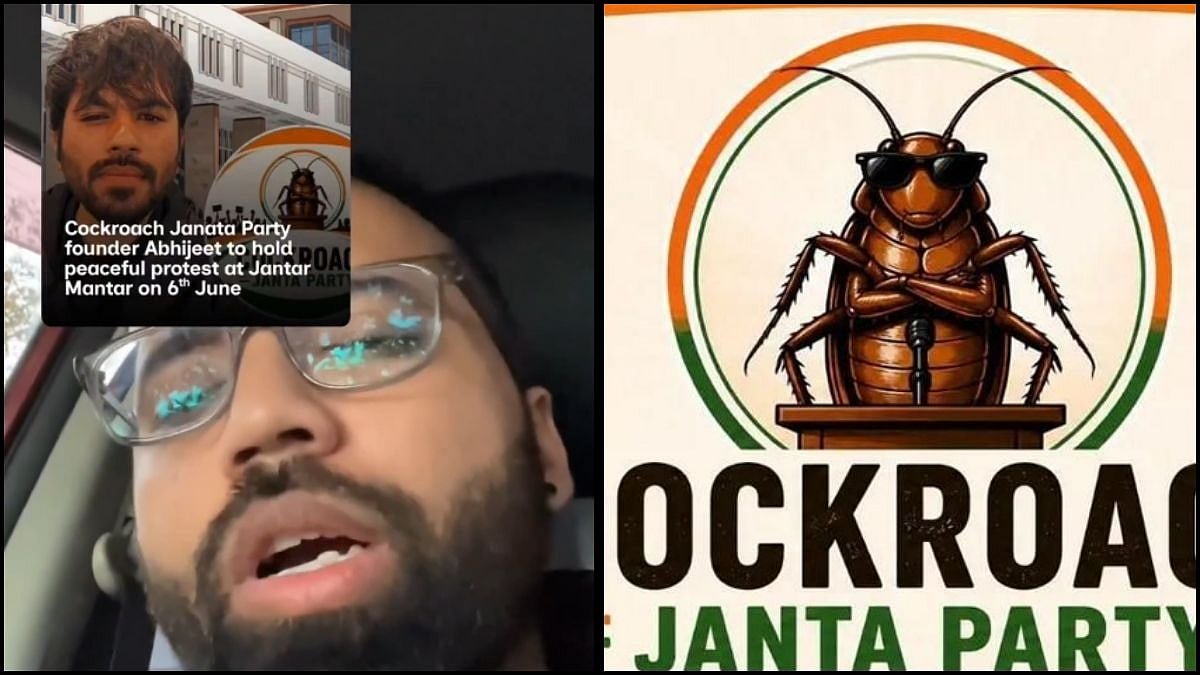
A viral video allegedly featuring a supporter of the Cockroach Janta Party, CJP, has triggered a major controversy ahead of the group's planned June 6 protest at Jantar Mantar in Delhi, with critics accusing members of attempting to incite unrest under the guise of a public demonstration.
The video, widely shared across social media platforms, features a man identified as Amit Kumar Sindh, a supporter of the movement, making a series of provocative remarks while addressing people expected to join the protest.
"If Abhijeet Dipke is stopped by Immigration, there will be a riot at the airport," the speaker says in the clip.
He further urges supporters to come prepared for possible clashes with authorities.
"Buy some things for your safety, like pepper spray, sticks, etc. If the police stop us, they will throw sticks and water," he says.
'We Have Tolerated Enough'
The most controversial portion of the video comes when the speaker appears to call for a more aggressive approach to the protest.
"We have tolerated enough. This time we will cross the border. Nepal will be made," he says.
CJP's Growing Student Movement
CJP founder Abhijeet Dipke is expected to return to India on June 6 and subsequently approach Parliament Street Police Station to seek permission for the proposed demonstration at Jantar Mantar.
The CJP has built a substantial following among students and job aspirants through its campaigns against examination paper leaks and recruitment controversies. The group claims that issues involving NEET, CBSE examinations, CUET and SSC GD recruitment tests have collectively affected nearly 9.5 million young Indians.
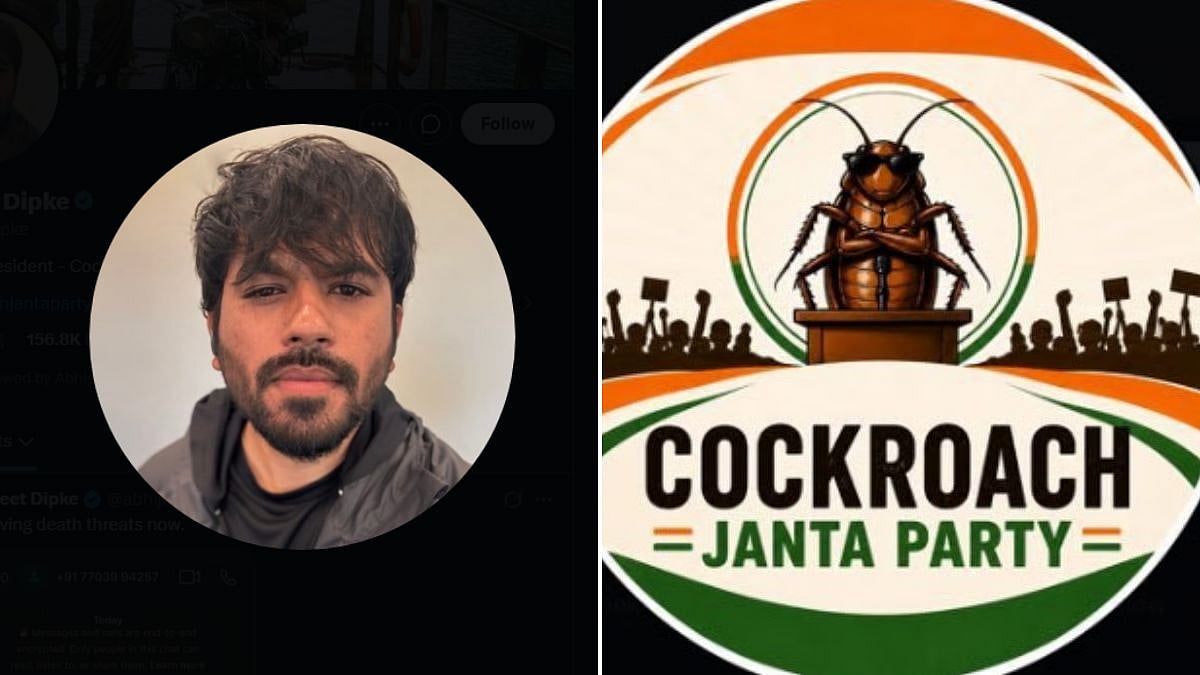
Dipke Distances Movement From Violence
Despite the uproar over the viral video, Dipke has consistently maintained that the protest will remain peaceful and within the framework of the Constitution.
"I believe in the Constitution of India more than anything else. It gives all of us the right to express our voice in a democracy," he has said.
As the June 6 protest approaches, attention is likely to remain focused on whether the movement can distance itself from the inflammatory rhetoric circulating online and keep its demonstration within the bounds of lawful protest.

