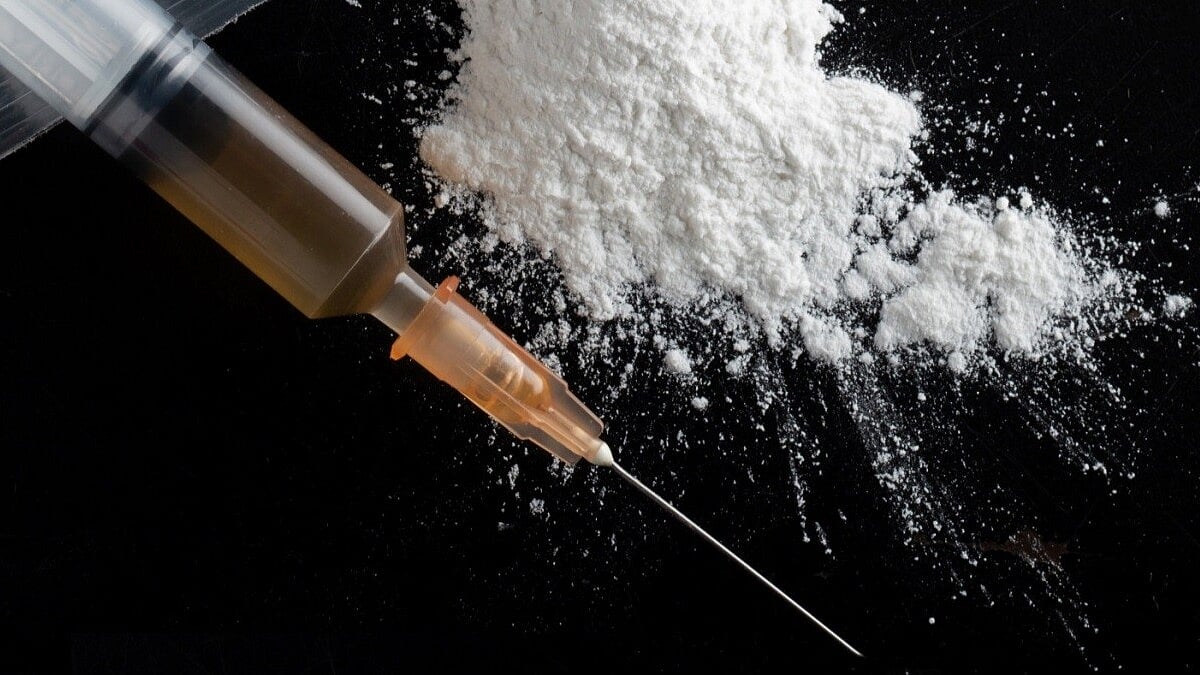
When a state is on a 'high', its fortunes can run low. Sadly, in Punjab, dope and democracy have run in parallel, and generation after generation continues to suffer, irrespective of the party in power.
On Guru Nanak Jayanti today, as the Sikh community immerses itself in the spiritual teachings of the Guru, countless gurdwaras across the state may have witnessed devotees fervently praying for their loved ones to be saved from the devil of drugs. Beneath the vibrant cultural identity of a state that takes pride in Bhangra and Giddha lies a deeply disturbing reality of generations slipping into oblivion.
As the state stares at the Assembly polls early next year, drug abuse is once again becoming a talking point in political circles, as if it were an unavoidable electoral ritual. While promises of swift eradication resurface, the prospect of a drug-free Punjab remains as distant as ever.
A parliamentary panel report in 2023 estimated that there were 66 lakh people using drugs in Punjab, with 6.97 lakh children aged between 10 and 17 years suffering from some form of substance use disorder.
The total number of drug users is equivalent to nearly one-third of the approximately 2.01 crore voters in the state. Not surprisingly, drug-related deaths in Punjab are among the highest in the country.
In June last year, the International Drug Policy Consortium, citing a Punjab Assembly report, said that nearly 6.2 lakh people with drug addiction were in government-run treatment centres, with around 6.12 lakh in private treatment facilities.
Elections & The Perennial Promise Of A Drug-Free Punjab
Whether it is the Congress, Aam Aadmi Party (AAP), Bharatiya Janata Party (BJP) or Shiromani Akali Dal (SAD), weeding out the drug menace has been a constant promise as elections approach. However, the reality on the ground is starkly different. Drug abuse is a parallel universe in Punjab, and that is no exaggeration.
During the 2014 general election, AAP made sweeping promises to end substance abuse in Punjab. Soon, the Parkash Singh Badal-led Akali Dal–BJP government launched a major anti-drug campaign, registering hundreds of FIRs and arresting peddlers within a few weeks.
Ahead of the 2017 Punjab Assembly election, both AAP and Congress pledged to eradicate the drug menace swiftly. The Congress manifesto even committed to stopping drug supply, distribution and consumption within four weeks if voted to power.
In March 2019, two years into the Congress government's term, over 50 per cent of villages and urban wards still faced the drug menace to varying degrees, a NewsClick report said.
Things were no different in 2022. When AAP came to power in March 2022, its promise of eradicating drugs within three months ultimately proved elusive. Substance abuse only became more widespread, while deadlines were repeatedly extended.
On September 30, 2026, Union Home Minister Amit Shah held a Nasha Mukt Punjab Yatra in Jalandhar, promising a drug-free Punjab if the BJP was voted to power in the Assembly polls early next year. In fact, Shah envisages a Nasha Mukt Bharat by 2029. While such promises sound reassuring, how realistic are they?
Grim Statistics Weigh Down Poll Promises
According to National Crime Records Bureau (NCRB) data released in May 2026, Punjab recorded 106 drug overdose deaths in 2024, the second-highest in India, up from 89 in 2023 but down from 144 in 2022.
Moreover, Punjab ranks second nationally in injecting drug use. The NCRB data for 2024 recorded 8,973 cases under the Narcotic Drugs and Psychotropic Substances (NDPS) Act in Punjab (29 per lakh population, the second-highest rate nationally) and 6,060 trafficking and possession cases, the highest in the country.
Punjab no longer needs promises, it needs results. Its fortunes can rise only when the state comes down from its devastating 'high'.
Level up your brain the fun way. Play daily games and quizzes on FPJ Smart!

