
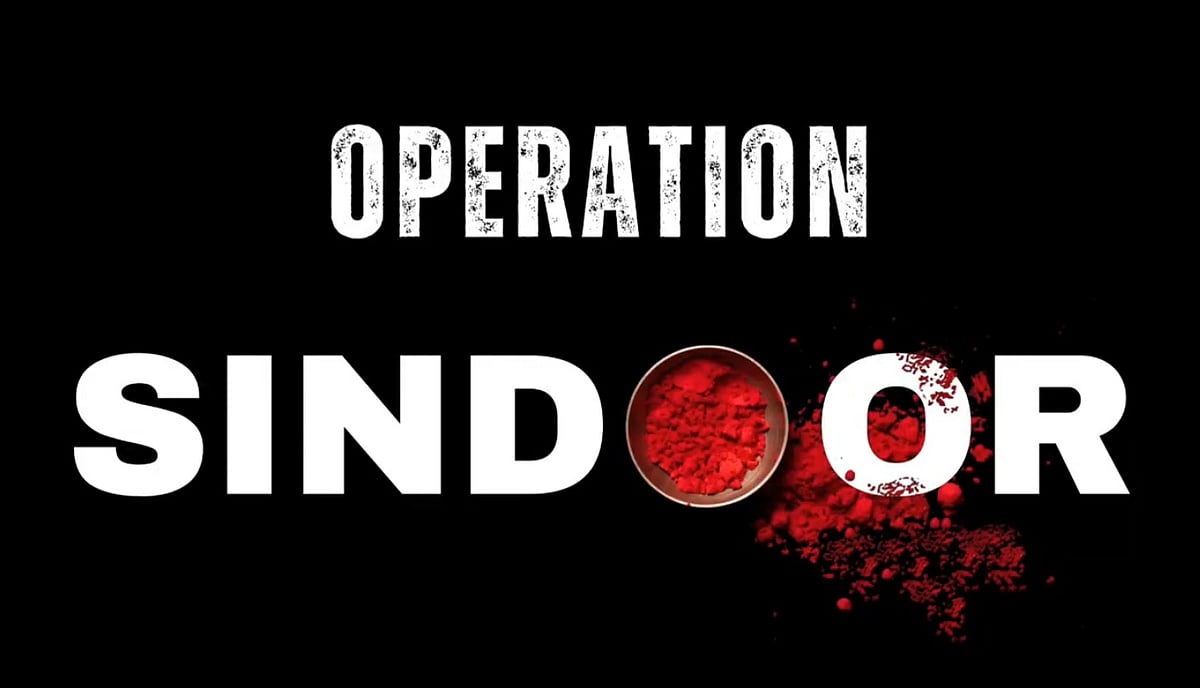
Newly declassified accounts of Operation Sindoor have shed light on the immediate military response to the April 22, 2026, terror attack in Pahalgam and the events that followed, with senior Indian military officers and National Security Adviser Ajit Doval recalling the brutality of the attack and the decision-making that culminated in India's retaliatory operation.
Lt Gen Rajiv Ghai, who served as the Director General of Military Operations (DGMO) during Operation Sindoor, recalled receiving a call from the Corps Commander in Kashmir informing him that something had happened in the Baisaran Valley near Pahalgam. He said he immediately realised that the incident was unlike a routine terror attack.
The attack took place on April 22, when Army Chief General Upendra Dwivedi was attending a seminar for retiring officers. According to the account, the Chief was discreetly informed by the DGMO that a terrorist attack had taken place in Pahalgam.
Following the incident, the Army immediately mobilised a nearby unit and a Quick Reaction Team to reach the site. However, the absence of a motorable road between Pahalgam and Baisaran meant that the troops had to cover the final stretch on foot, taking around 30–40 minutes.
As soldiers made their way towards the site, reports of the scale of the attack began emerging. The commanding officer of an infantry battalion described the scene as one in which "dead bodies" were scattered across the area.
Colonel Ashish Upreti, VSM, said the incident appeared markedly different from conventional terror attacks. Recalling the scene, he described it as an "execution", asserting that victims were segregated on the basis of religion before Hindu men were targeted and killed.
"It wasn't a normal terror attack," Upreti said, describing the killings as a "cold-blooded" execution carried out in front of the victims' families. He added that he had never witnessed violence of such a "gory" nature in his military career.
The DGMO also described the killings as deliberate and carried out using automatic weapons, including AK-47 rifles.
National security analyst Nitin Gokhale said the attack represented a departure from earlier instances of terrorism, in which militants had generally targeted people indiscriminately. "The attackers in Pahalgam identified victims based on their religion and specifically targeted Hindu men," he added.
The brutality of the attack also deeply affected India's national security leadership. NSA Ajit Doval recalled the emotional impact of the killings, particularly the attack on families who had travelled to Pahalgam as tourists.
Doval said he felt particularly distressed thinking about a young couple who had gone to Pahalgam expecting a normal holiday, only for the husband to be killed while his wife remained at the scene.

Recalling the terrorists' message, Doval said the attackers told the victim's wife to "go and tell Modi to do whatever he can".
The accounts provide a detailed picture of the situation faced by Indian security forces immediately after the Pahalgam attack and the sense of urgency that followed within the military and national security establishment.
The revelations come in the context of Operation Sindoor, India's subsequent military response to the terror attack, and offer insight into the experiences of officers involved in assessing the attack, reaching the affected area and formulating the response.

