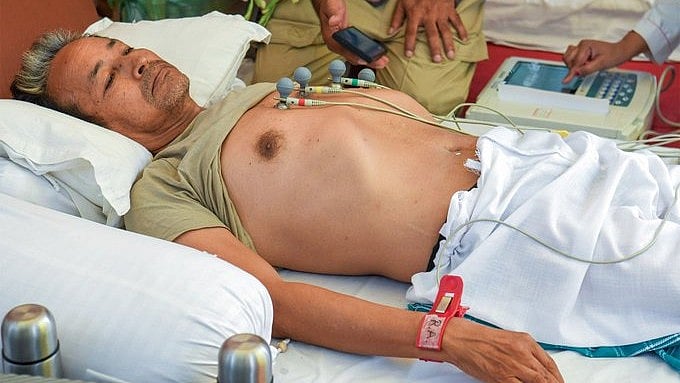
New Delhi: The Delhi High Court on Sunday declined to pass an interim order directing the immediate transfer of activist Sonam Wangchuk from Safdarjung Hospital to Medanta Hospital, observing that doctors at the government-run facility were closely monitoring his condition and that there was no evidence of force being used in his treatment.
The court was hearing an urgent petition filed by Wangchuk's wife, Dr Gitanjali J Angmo, seeking permission to shift him to a private hospital of the family's choice.
Appearing for Wangchuk, senior advocate Kapil Sibal argued that the activist was not under detention and, as an Indian citizen, had the fundamental right to choose where he wished to receive medical treatment. He told the court that Wangchuk wanted to be treated at Medanta Hospital and suggested that if the government had concerns, it could appoint a doctor of its choice to monitor his health there.
Opposing the plea, the Centre submitted that Safdarjung Hospital was among the country's best facilities for emergency medicine and said it was even prepared to shift Wangchuk to AIIMS, New Delhi, if required. The government also maintained that Wangchuk needed to cooperate with the treating doctors, arguing that medical professionals should be allowed to take appropriate steps to protect his health.
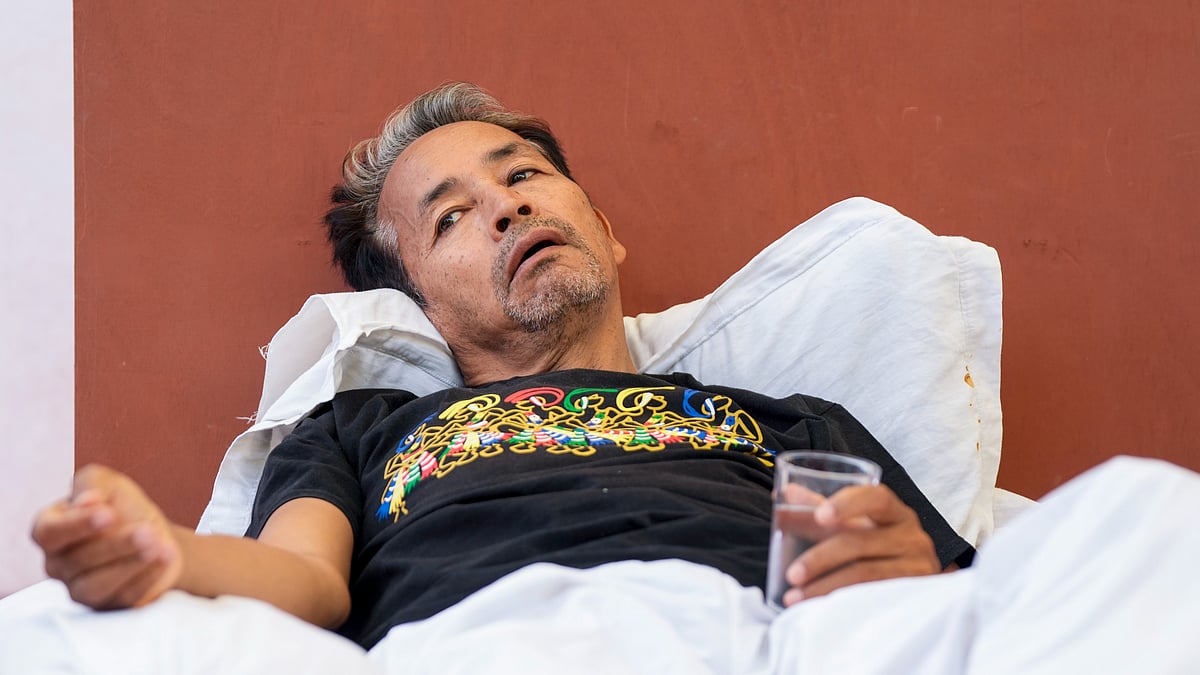
The Medical Superintendent of Safdarjung Hospital informed the court that Wangchuk had not cooperated with the treating team since his admission and had expressed a lack of trust in the hospital.
Addressing the bench, Dr Angmo alleged that police personnel stationed inside the hospital monitored her conversations with her husband. She also claimed it took nearly 10 hours for the hospital to provide blood samples required to check his potassium levels, saying the delay had eroded the family's trust in the institution. She reiterated that Wangchuk was not under detention and insisted that the family had the right to seek treatment at Medanta.
In its order, the High Court held that the government's decision to admit Wangchuk to Safdarjung Hospital on medical grounds was neither arbitrary nor illegal. The bench noted that the hospital's doctors were closely monitoring his condition and that only oral treatment had been administered with his consent, indicating that no force had been used.
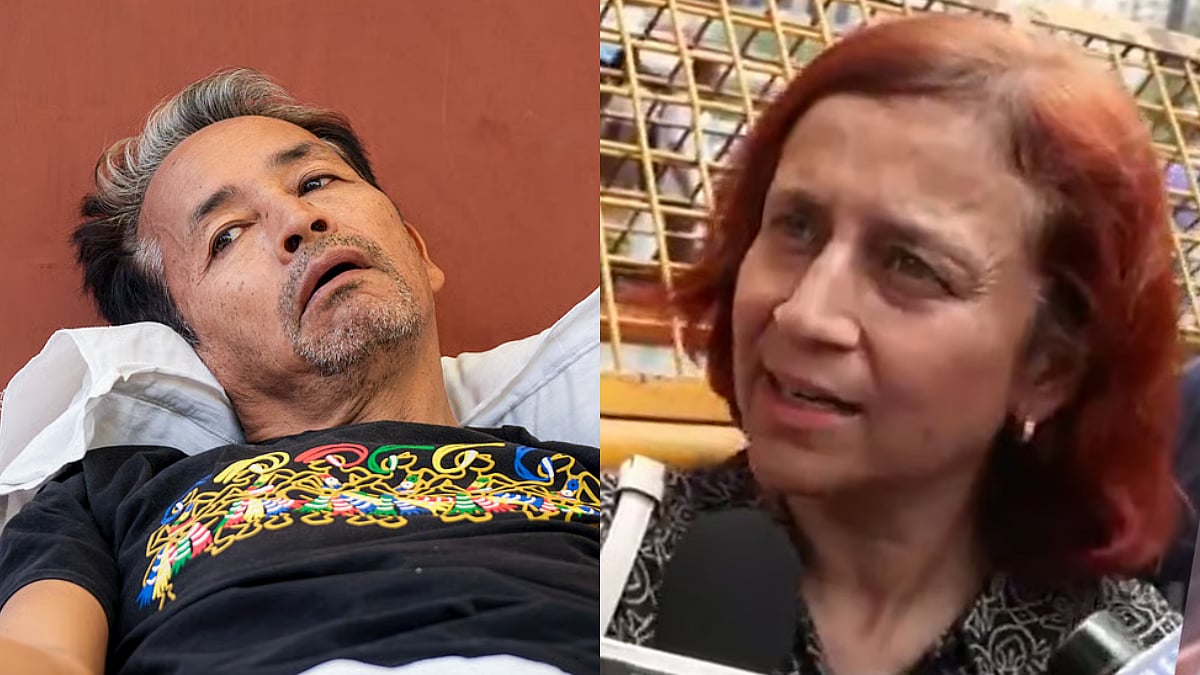
The court also observed that although Wangchuk was not under detention, he had not voluntarily admitted himself to any hospital, making the government's intervention justified in the circumstances. Emphasising that "every life is precious," the bench took note of the Centre's submission that Wangchuk's wife and brother had been granted unrestricted, 24-hour access to him, with a separate room provided for the family to remain by his side.
Finding no immediate grounds for judicial intervention, the High Court declined to grant interim relief. During the proceedings, the Centre also sought directions allowing doctors to take any steps necessary to save Wangchuk's life. The bench responded that such decisions would ultimately rest with the medical team treating him.

