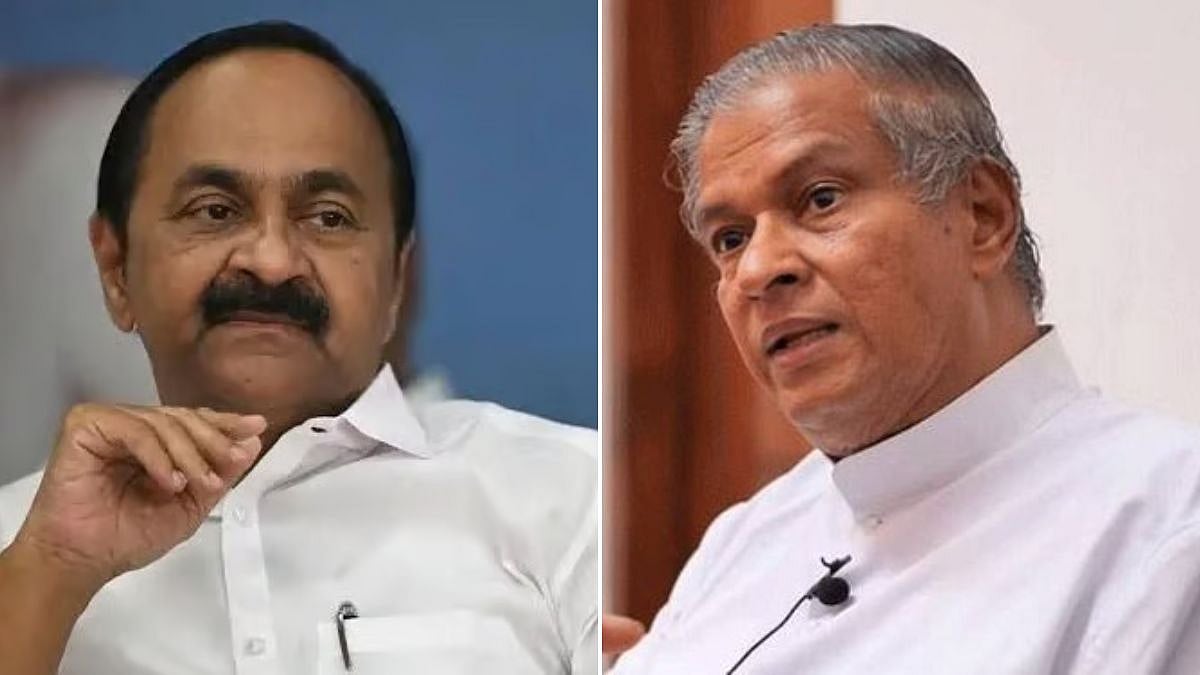
Thiruvananthapuram: Kerala’s new United Democratic Front government has run into its first major test, with portfolio allocation held back after an influential section of the Latin Catholic Church objected to the possible transfer of the education and fisheries departments to the Muslim League.
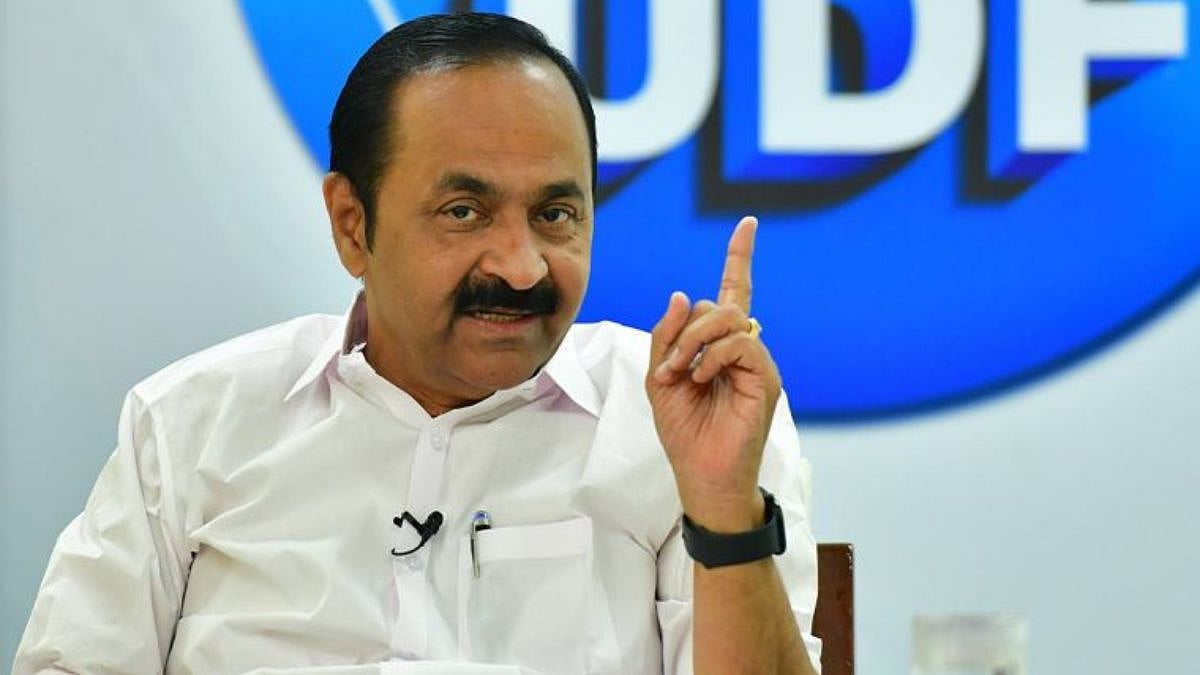
Chief Minister V D Satheesan, who assumed office with a 20-member council of ministers, has been forced into another round of negotiations as Congress factions, coalition partners and community organisations press competing claims over key departments. The delay has underlined the fragility of coalition management at the start of a government that returned the UDF to power after a decade outside office.
The Latin Catholic leadership has conveyed displeasure over what it sees as inadequate representation for coastal and Latin Catholic communities in the ministry. The concern has sharpened around the fisheries portfolio.
The department has direct relevance to Kerala’s coastal belt, where fishing communities have long demanded stronger state intervention on livelihood security, coastal erosion, harbour infrastructure and welfare support.
Church representatives have also raised objections to the education department being placed under the Muslim League, arguing that control of both education and fisheries by the party could create monopolistic tendencies in policy influence. The issue has become politically sensitive because education has historically been one of the most contested portfolios in Kerala, given the large presence of aided schools, minority institutions and community-managed educational networks.

Satheesan sought to contain the fallout by visiting the Bishop’s House at Vellayambalam in Thiruvananthapuram and holding talks with Vicar General Fr Eugene Pereira. The outreach was aimed at reassuring the Church that coastal interests would not be sidelined in the new administration, but it has not ended the pressure on the government to reconsider the portfolio balance.
The Muslim League, the second-largest constituent in the UDF, is pushing for a strong share of portfolios after playing a decisive role in the coalition’s electoral comeback. Party leader P K Kunhalikutty is expected to receive a major economic department, while other League nominees are being considered for portfolios including general education and local self-government. Fisheries have emerged as the most contentious point because it carries symbolic and administrative weight in the southern and central coastal districts.
Congress is facing its own internal pressure. K C Venugopal, the Congress general secretary and one of the party’s most influential figures in Kerala, has emerged as a major power centre in cabinet formation. His camp is seen as seeking greater control over key ministries, adding another layer of complexity to Satheesan’s effort to balance party factions with coalition obligations.
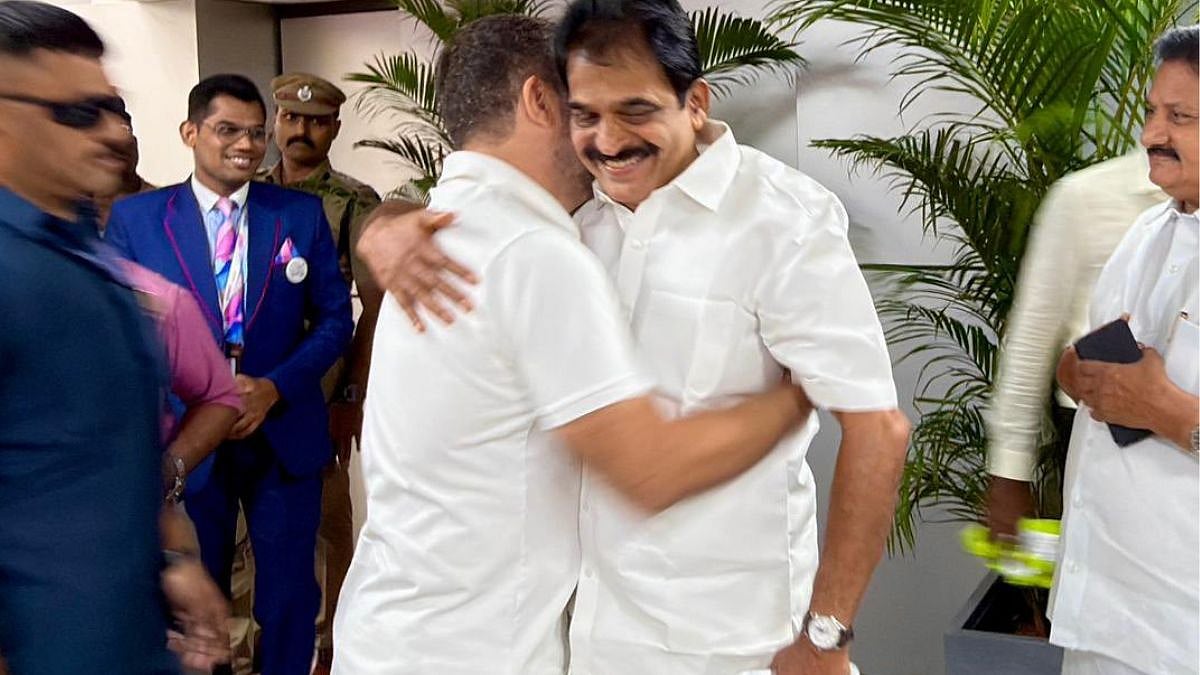
The chief minister is expected to retain departments such as General Administration, Finance, Ports, Law and Information and Public Relations, while senior Congress leader Ramesh Chennithala is likely to handle Home and Vigilance. Several Congress ministers are awaiting confirmation of departments, with agriculture, health, higher education, revenue, power, cooperation, culture and social welfare among the portfolios under discussion.
The dispute reflects a broader challenge for the UDF. The coalition relies on a delicate social balance involving Congress, the Muslim League, Kerala Congress factions, smaller regional partners and community organisations with deep local influence. Any perception that one constituent or one community has gained disproportionate control over sensitive departments can quickly become a political liability.
For the Latin Catholic Church, the fisheries department carries more than administrative significance. Kerala’s coastal communities have faced repeated livelihood shocks from declining marine resources, weather disruptions, harbour safety concerns and unresolved rehabilitation demands linked to development projects. Church-backed organisations have played an active role in mobilising fishermen on issues ranging from fuel costs to coastal protection.
The education portfolio is equally sensitive because Kerala’s school and higher education sectors involve a complex network of public, aided and minority-managed institutions. Control over the department affects teacher appointments, curriculum debates, institutional regulation, funding decisions and negotiations with management bodies. The Church’s objection reflects a fear that concentrating education and fisheries with one coalition partner would reduce the bargaining space available to other stakeholders.

