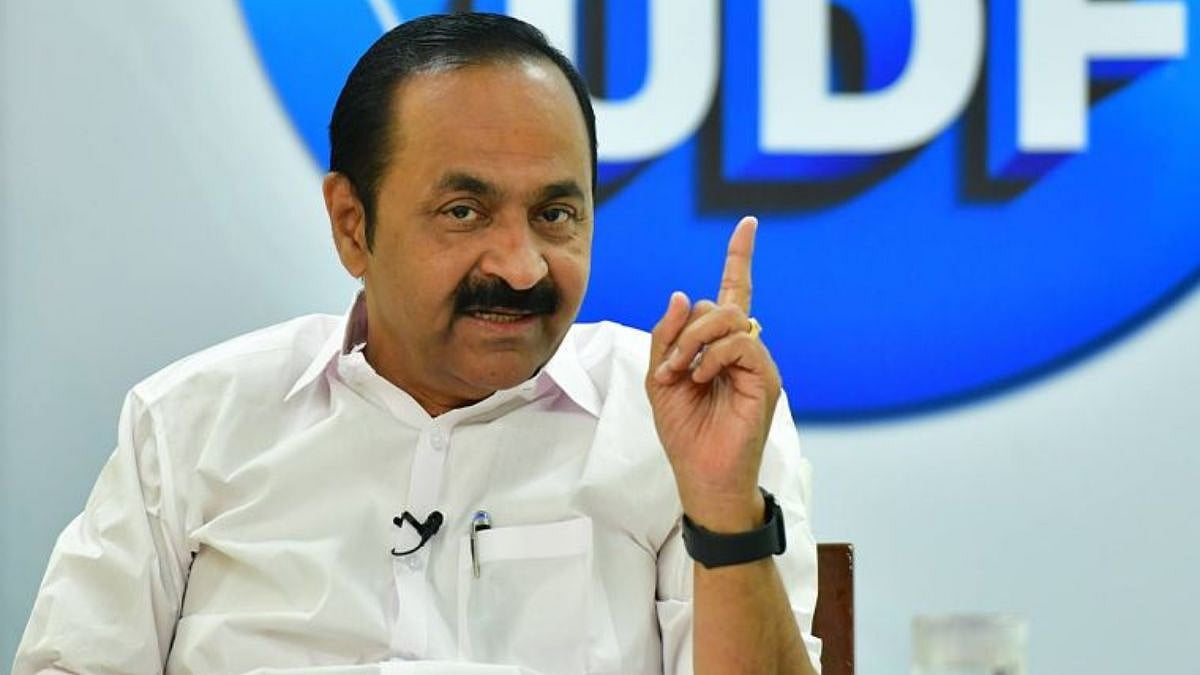
The elevation of VD Satheesan as Kerala’s new Chief Minister was, in many ways, inevitable. For the last five years, it was he who kept the government of Pinarayi Vijayan constantly under pressure with relentless scrutiny inside and outside the Assembly. More importantly, he emerged as the unmistakable public face of the United Democratic Front, which has now secured a commanding mandate of 102 seats in the 140-member Assembly. Electoral victories of such scale rarely happen without a recognisable leader at the forefront, and the people of Kerala clearly saw Satheesan as that leader. The delay in his formal selection was less about merit and more about internal arithmetic. KC Venugopal had built considerable influence within the Congress organisation by helping many candidates secure tickets and campaign resources. Understandably, several legislators felt indebted to him. Yet, political indebtedness cannot override political reality for long. Satheesan represented the mood of the electorate far more convincingly than any rival claimant.
At 62, Satheesan combines relative youth with considerable legislative experience. He belongs to a generation capable of bridging Kerala’s older political traditions with the aspirations of younger voters, increasingly frustrated with stagnation and lack of opportunities. He has also earned credibility across religious, caste, and political divides, a rare achievement in an era of polarised politics. His accessibility, civility, and willingness to listen have strengthened his acceptability among all communities alike. Kerala’s finances are in distress. Much of the state’s revenue is consumed by salaries and pensions, leaving little room for developmental expenditure. Yet, the UDF has already made ambitious promises, such as free bus travel for women in KSRTC buses and enhanced wages for ASHA workers. Fulfilling welfare commitments without worsening the fiscal crisis will demand administrative discipline and economic imagination.
Satheesan appears aware of the structural problems confronting Kerala. One of them is the alarming migration of young people to other states and, eventually, to countries such as Australia and Canada for education and employment. Kerala cannot indefinitely survive as a society exporting its youth. The state must create conditions for entrepreneurship, innovation, and private investment while simultaneously reforming its bloated bureaucracy and curbing extravagance in public spending. His style of governance will matter enormously. Kerala has suffered enough from arrogance and intolerance of dissent. Satheesan must preserve the very qualities that brought him public acceptance. Equally important is maintaining cordial relations with the centre rather than engaging in needless confrontation. Unlike several former Kerala chief ministers, he has the linguistic confidence to engage effectively at the national level. Kerala has voted not merely for a change of government but for a change in political culture. Satheesan now carries the responsibility of proving that civility, intellect, and decisiveness can still coexist in democratic leadership.

