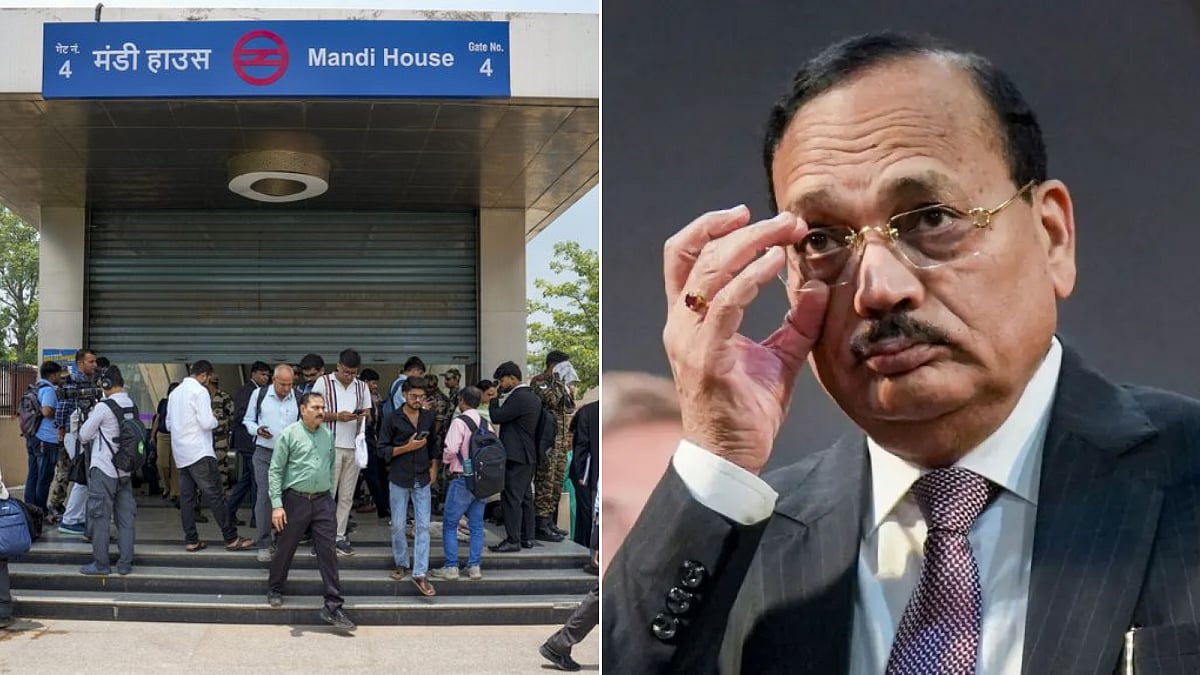
New Delhi: Chief Justice of India Surya Kant on Thursday took note of the SCBA's plea that several metro stations have been closed making it difficult for lawyers and litigants to come to court and said he will intervene if the matter is not resolved by lunch time.
Supreme Court Bar Association (SCBA) President Vikas Singh mentioned the closure of the Supreme Court Metro and other stations amid the ongoing student protests right in the morning. He urged the CJI-led bench that there should at least be restricted access for lawyers, litigants and court staff.
The CJI also said he had directed that no adverse orders in any case should be passed solely on account of the absence of lawyers affected by the prevailing situation.

The bar leader proposed that individuals holding valid Supreme Court entry passes, including Registry staff, be allowed to get off at the Supreme Court Metro station after undergoing security screening.
He said commuters exiting the station could be screened and only those carrying valid proximity cards or official Supreme Court identification be allowed to leave the station.
"In the metro, there is one advantage that when they come out of the train, there is an exit point. There they can be screened. People having proximity cards, and Registry staff, can be permitted to come out, and the rest can be told to take the other train and go," he said.
The CJI said the apex court administration had already been directed to engage with Delhi Metro authorities to explore the proposal.

"I informed them in the morning. It is up to them to talk to the authorities. He is exploring this also as one of the solutions. By lunchtime, if there is a solution, that is fine. Otherwise, if my intervention is required, I will do," the CJI said.
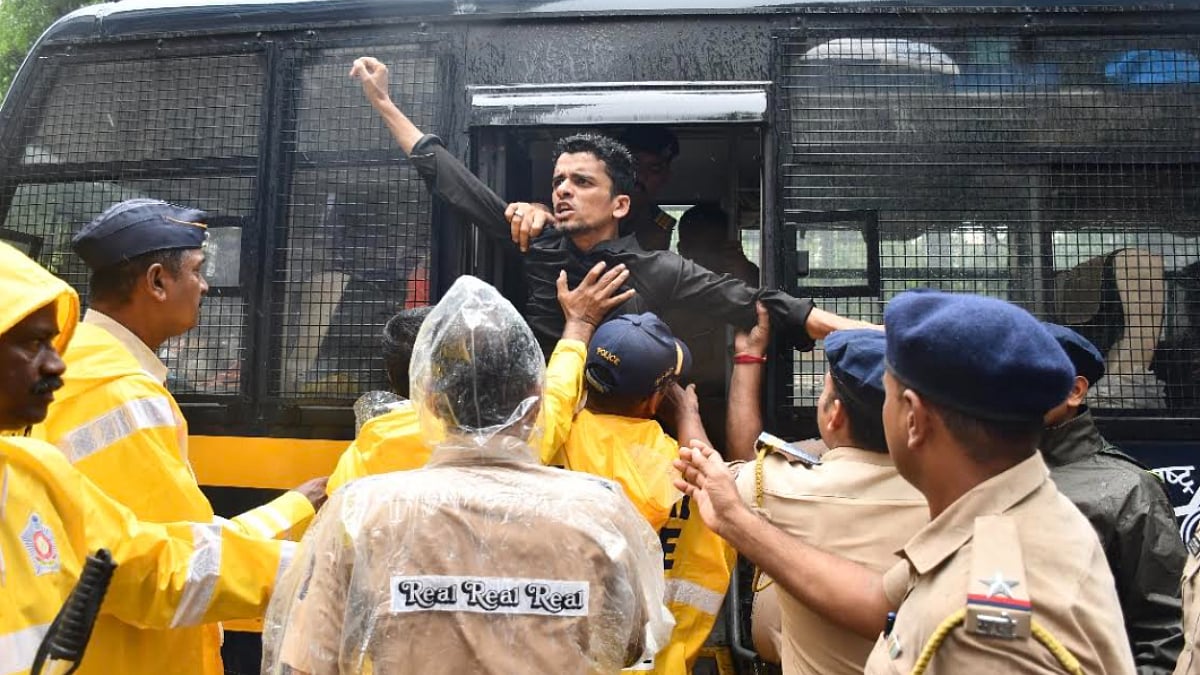
The developments come after the Delhi Metro Rail Corporation on Thursday announced the closure of 16 Metro stations, including the Supreme Court Metro station, until further orders in view of the ongoing student protests.
(Except for the headline, this article has not been edited by FPJ's editorial team and is auto-generated from an agency feed.)

