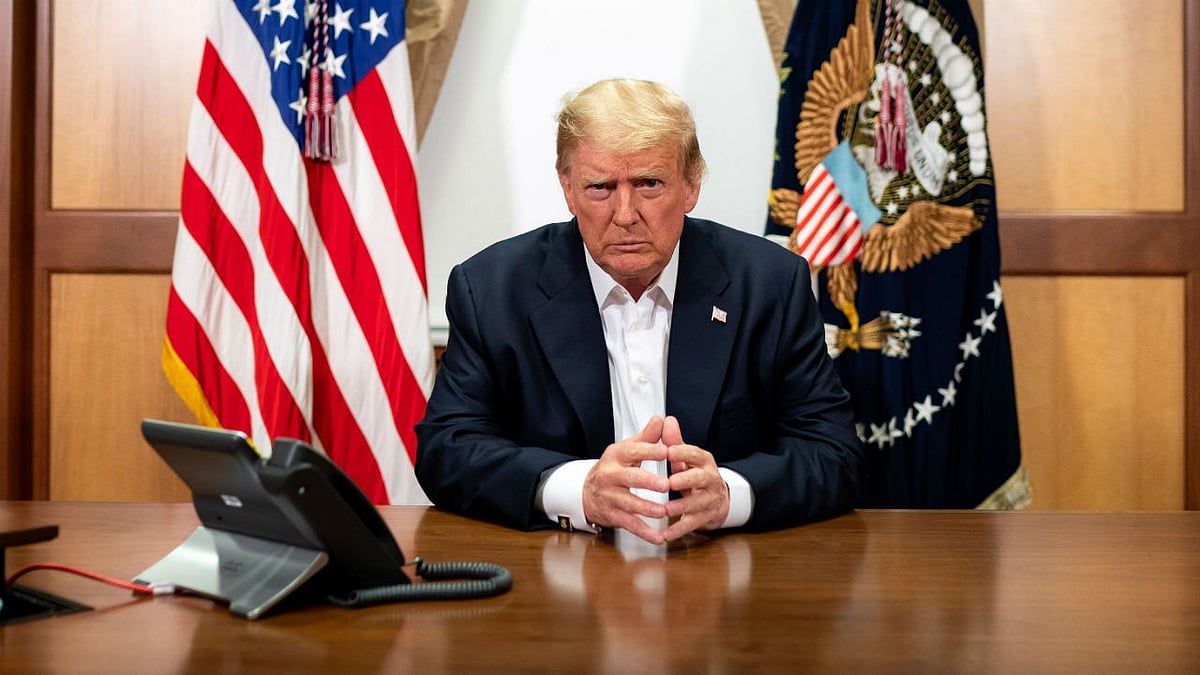
New Delhi: As US President Trump put his signature to the 14-point US-Iran memorandum, diplomats and strategic thinkers have been busy trying to analyse the implications of the document.
Mixed diplomatic reactions
While some have termed it a “resounding Iranian diplomatic success," which has the potential to change relations between the US and the Islamic Republic, others have been more sceptical, stating that a number of factors still need to be factored in.
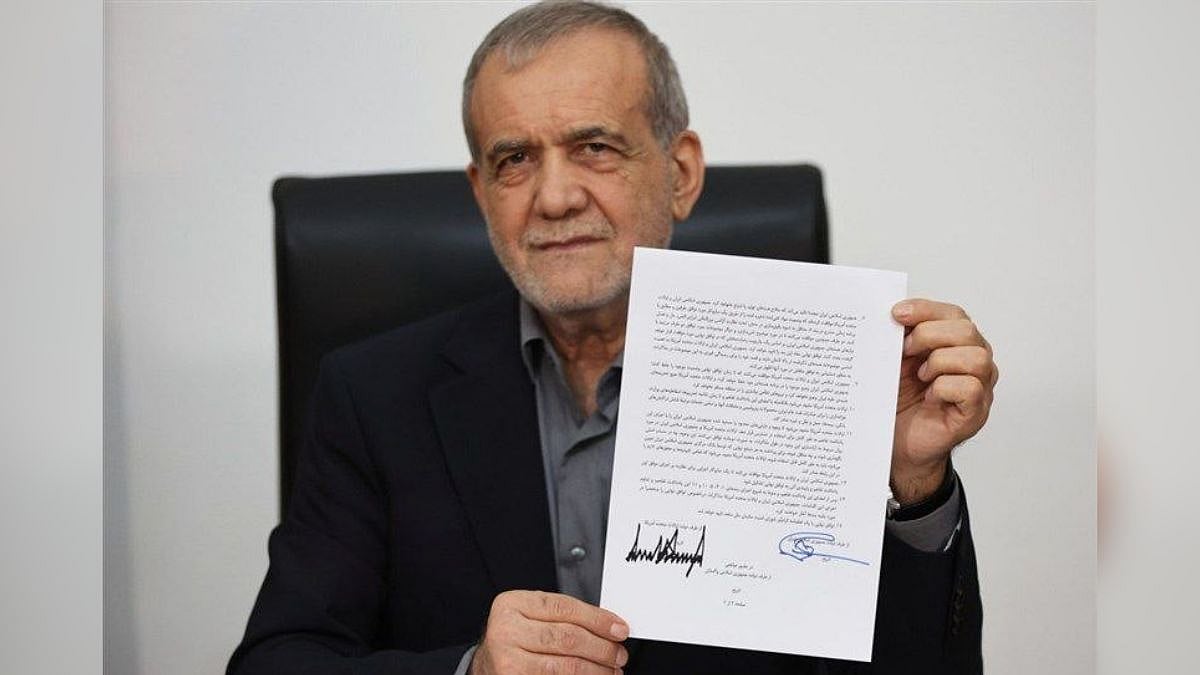
The concerns range from large-scale opposition of the Republicans and several Democrat members to whether Trump has the sustained staying power to convert the memorandum into a final agreement.
India cautious welcome
Former foreign secretary Kanwal Sibal believes that India should welcome the deal but with caution. Pointing out that Trump has U-turned on a number of statements, he stated that the US president “will face severe criticism at home for making vital concessions to Iran in the background of his doomsday rhetoric on Iran’s nuclear programme, the curbing of its missile capabilities, and containing its regional role.”
Despite this, he believes that Trump has made an arrangement that most in the world can work with. “Israel has been thwarted. India would welcome a successful settlement after 60 days but needs to keep its fingers crossed.”
Opposition and Netanyahu concerns
Not all share this optimism. Former ambassador and West Asia expert Talmiz Ahmad warns that there are a large number of contentious issues where Israel is more than likely to push its weight. “The deal has called for the permanent end to regional conflict, funding for reconstruction and development, removal of all sanctions, and the nuclear issue,” he said. “There is a surge of opposition to the agreement in large sections of the population, the Republican Party, and several Democrats as well. Israel is already mobilizing them against the deal.”
The other issue is Israeli PM Benjamin Netanyahu. Despite being sidelined by Trump in the run-up to the signing of the memorandum with Iran, Netanyahu has extensive experience of the US political system and has fought back successfully against the many challenges former US presidents have presented him in the past. “From (Bill) Clinton’s time, no US president has ever succeeded in getting Netanyahu to do something he doesn't want to do ever,” said Ahmad.
The senior diplomat also believes that Trump was not likely to stop Netanyahu in the long term. “Trump is an easy touch compared to Obama or even Biden. His total silence on the collapse of the Gaza peace process and his feebly calling for a “soft touch” in Lebanon, though this is crucial to the success of the peace agreement with Iran, are signs that do not portend well for peace.”
Legal and procedural questions
Other diplomats agree that it would be premature to see the memorandum as anything other than a “welcome first step”. A senior diplomat who did not wish to be named stated that if the final outcome were an international agreement, it would most probably have to go to the US Congress for review. The other issue he pointed out was the lack of other parties to the deal. “The JCPOA went through a UN Security Council approval. Will that be done for this deal? There is no indication at the moment whether it will or will not.”
While the broad nature of the memorandum has been useful in reaching a tentative agreement, the lack of specificity on key issues could prove to be an issue later on. The document remains silent on whether Iran can enrich and how much. It does not specify what sanctions will be lifted and whether the terror sanctions imposed by the US on Iran will also be part of sanctions relief. This will certainly be a point of contention. What is also not clear is the role the international community will play in this. Europe, for instance, has sanctioned Iran for terrorism, human rights, and build-up of military and drone facilities. These are different sanctions from the US.
Netanyahu leverage and economic impact
Coming to Netanyahu, diplomats differ as to just how much the Israeli PM can disrupt Trump. The US currently provides Israel with $4 billion of defence aid each year, while Israel’s IT and tech industry is hugely dependent on the US. As a senior diplomat points out, most missiles shot at Israel have been downed by offshore ships. Israel, he concludes, cannot go it alone, and therefore Netanyahu may be forced to follow Trump.

