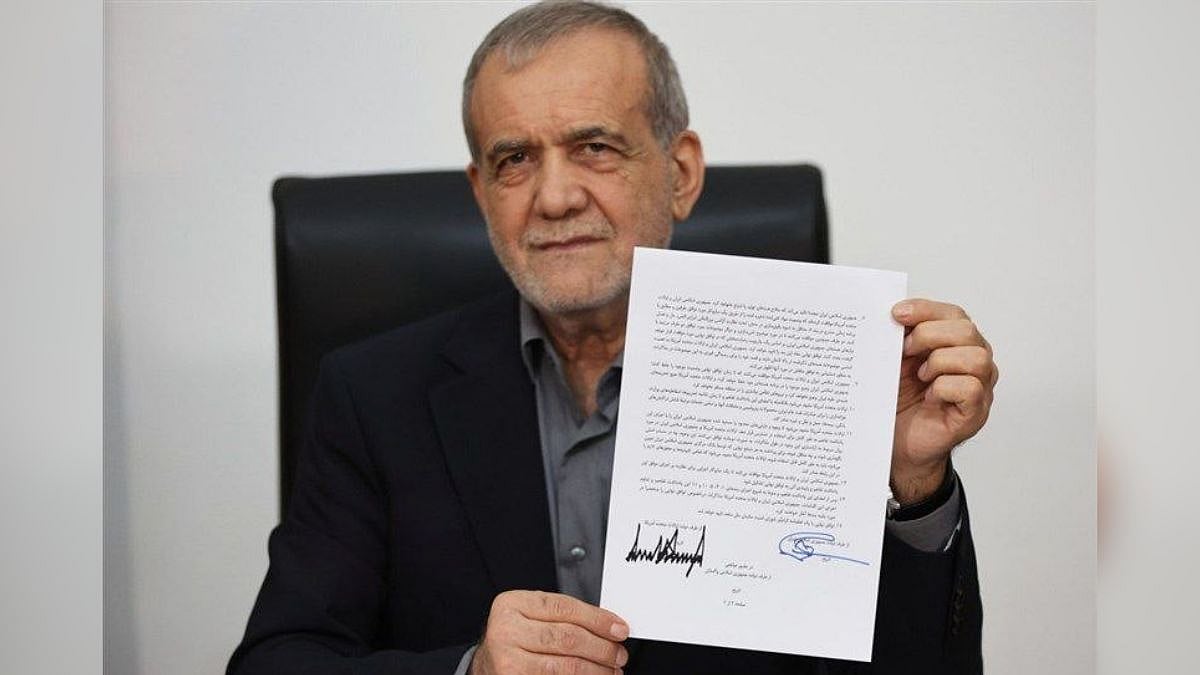
Iranian President Masoud Pezeshkian on Thursday publicly shared a 14-point Memorandum of Understanding (MoU) signed with US President Donald Trump, describing it as a historic step toward peace based on “mutual respect.” Posting the document on X, Pezeshkian said the agreement reflected “a message from a powerful Iran” and reiterated that the Islamic Republic remained committed to global peace while safeguarding its dignity, independence and regional cooperation.
The memorandum outlines a broad framework for de-escalation and future negotiations between Tehran and Washington, covering issues ranging from military conflict and sanctions to nuclear commitments and economic reconstruction.
At the heart of the document is a pledge by both sides to immediately and permanently halt military operations against one another, including on fronts linked to Lebanon, while refraining from the threat or use of force. The agreement also stresses respect for each other’s sovereignty and non-interference in internal affairs.
The MoU sets a maximum 60-day period, extendable by mutual consent, for negotiating a final comprehensive deal. During this time, both countries have agreed to maintain the status quo while pursuing diplomatic engagement.
Several provisions focus on maritime security and trade. The United States commits to lifting its naval blockade and removing impediments affecting Iran within 30 days, while Iran agrees to facilitate the safe passage of commercial vessels through the Persian Gulf and the Strait of Hormuz, including temporary waivers on transit charges and de-mining efforts.
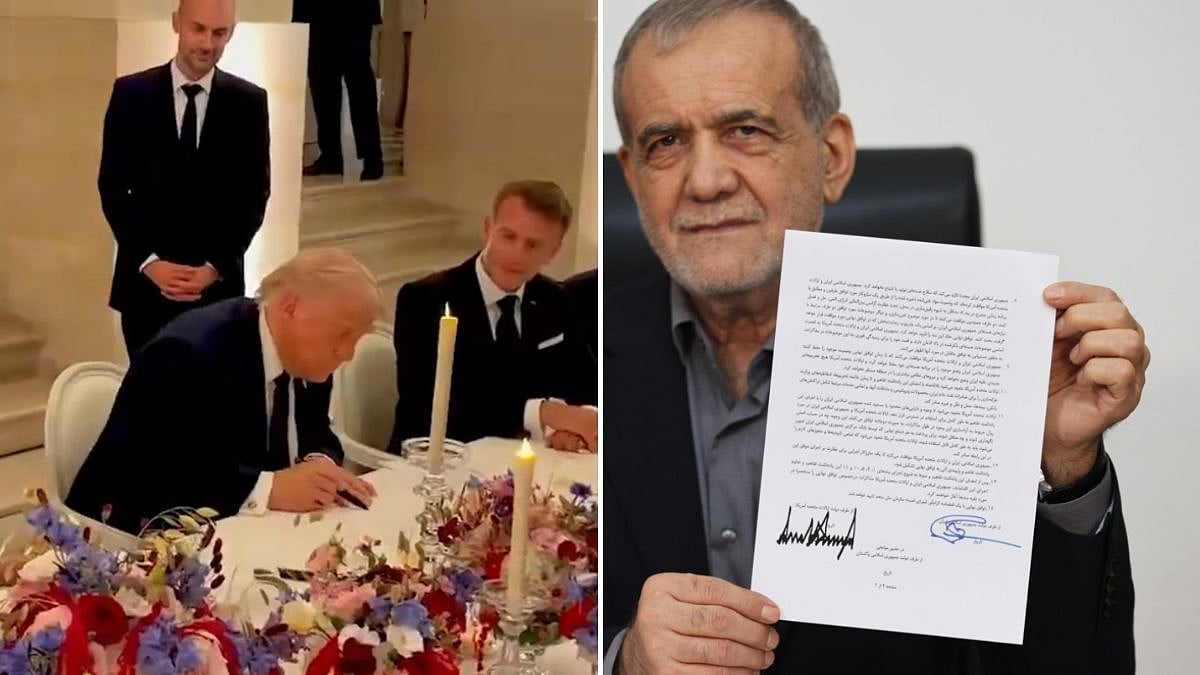
Economically, the document proposes a major reconstruction initiative, with the US and regional partners undertaking to develop a mutually agreed plan worth at least USD 300 billion for Iran’s economic development. It also envisages the phased termination of sanctions, including unilateral US measures and other international restrictions, subject to agreement in the final deal.
On the nuclear front, Iran reaffirms that it will neither procure nor develop nuclear weapons. The two countries agree to negotiate arrangements for managing Iran’s enriched nuclear material under international supervision and to discuss future enrichment activities and related issues within an agreed framework.
Pending a final accord, Washington undertakes not to impose new sanctions or deploy additional forces in the region, while Iran agrees to preserve the current status of its nuclear programme. The MoU also provides for waivers to facilitate Iranian oil exports and associated financial transactions, alongside procedures for releasing frozen Iranian assets.
To oversee implementation, the agreement calls for the creation of an executive monitoring mechanism. It further stipulates that negotiations on remaining provisions will proceed after initial commitments are implemented and envisions eventual endorsement of the final agreement through a binding United Nations Security Council resolution.
Pezeshkian described the memorandum as evidence that durable peace can be achieved through dialogue founded on mutual respect rather than confrontation.

