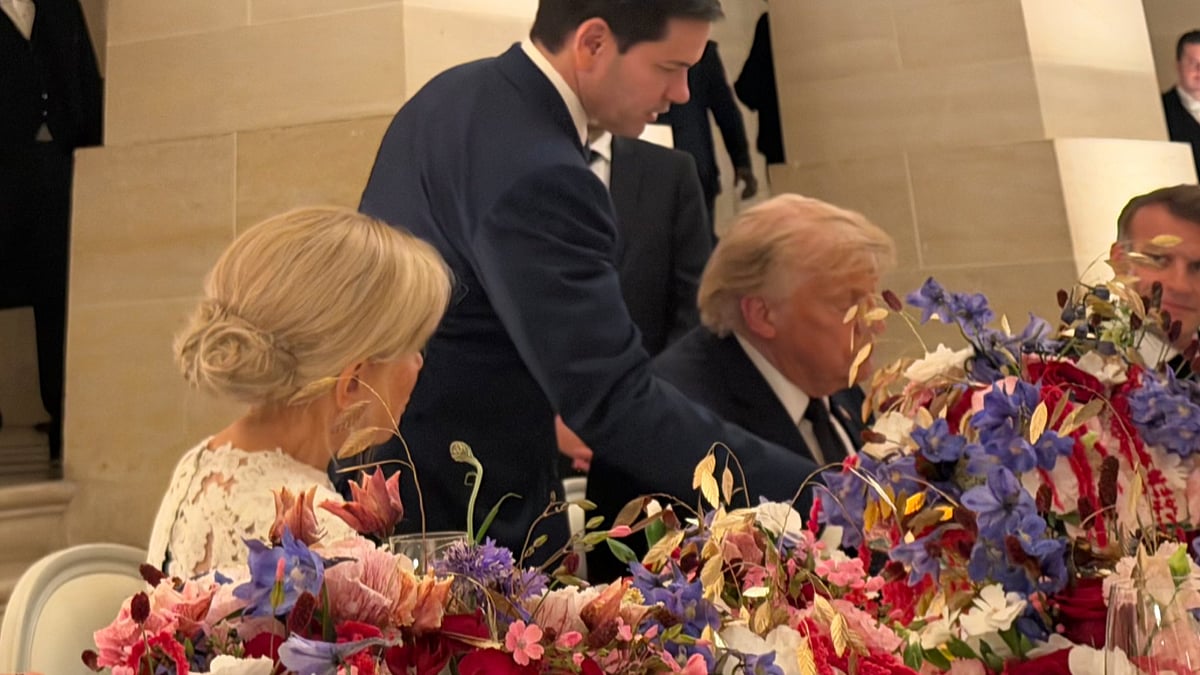
For now, the United States and Iran have fundamentally shifted the geopolitical scenario of West Asia by digitally signing a historic, 14-point framework agreement to halt their 100-day war. First revealed in diplomatic circles and confirmed by US Vice President JD Vance, the Islamabad Memorandum of Understanding (MOU) took immediate effect ahead of a formal in-person diplomatic summit scheduled in Geneva, Switzerland. While the Trump administration frames the text as a triumph for regional security, Jerusalem has reacted with sharp alarm and scepticism.
Israeli political and military leaders explicitly doubt Tehran's true intent, arguing that the agreement rewards hostile actions with immense financial relief while tying Israel's hands.
What is the Islamabad MOU and what does it mandate?
According to the official text of the agreement, the Islamabad MOU establishes an "immediate and permanent termination of military operations on all fronts," including Lebanon. Mediated heavily by Pakistan and Qatar following intense direct and indirect talks, the framework puts a sudden pause on the conflict that first erupted on February 28.
The agreement outlines a highly lucrative sequence of economic concessions for Tehran. Immediately upon signing, the US Treasury Department is required to issue waivers allowing Iran to freely resume crude oil and energy exports, alongside the lifting of the US naval blockade of Iranian ports within 30 days.
Furthermore, the text published by Bloomberg reveals that the US and its regional partners will facilitate a massive economic development package worth at least $300 billion for Iran, supplemented by the phased release of over $100 billion in frozen international assets.
In exchange, Iran has committed to a 60-day standstill on its nuclear activities and has promised to ensure the toll-free, safe passage of commercial vessels through the strategically vital Strait of Hormuz during the 60-day negotiating window.
Why Israel is deeply sceptical of the deal's framework
Israel's core objection is that the agreement fails to permanently neutralise or dismantle Iran's nuclear infrastructure, choosing instead to lock in a highly dangerous status quo.
In an analysis for The Times of Israel, veteran editor David Horovitz notes that during earlier rounds of talks, Iranian negotiators openly boasted to US special envoys Steve Witkoff and Jared Kushner that they had successfully outmanoeuvered international inspectors to amass 460 kilograms of 60% enriched uranium. Israeli defence experts calculate that this underground stockpile is near-weapons-grade and can be converted into 11 functional nuclear bombs within just 10 days.
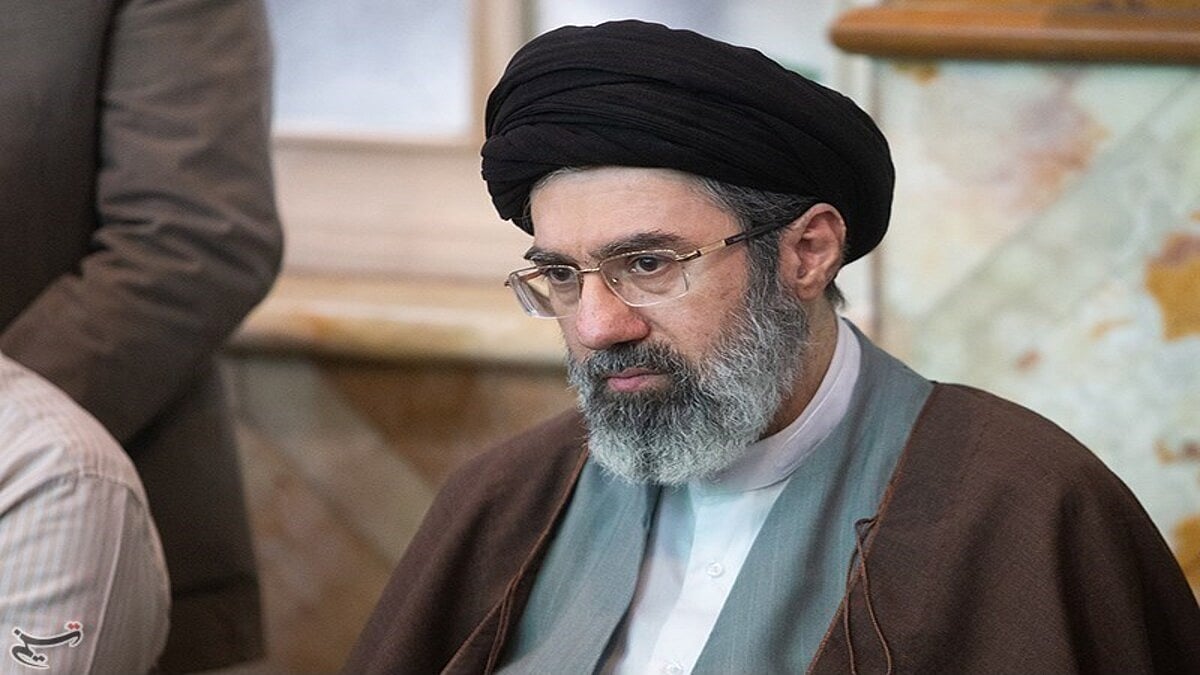
Iranian Supreme Leader Mojtaba Khamenei | Wkimedia Commons
By deferring the final disposition of this enriched material to the upcoming 60-day negotiation period, Israel argues the US has left Tehran on the absolute precipice of nuclear breakout. Compounding this, the first clause of the MOU legally binds both the US and its "allies in the current war" to a permanent cessation of hostilities. This explicit terminology effectively strips the Israel Defence Forces (IDF) of their military leverage, legally blocking Jerusalem from launching preemptive strikes to destroy the remaining nuclear stockpiles.
Why Jerusalem actively doubts Tehran's true intentions
Israeli intelligence assessments recently delivered to the political echelon and reported by Israel’s N12 News indicate that Iran's Supreme Leader, Mojtaba Khamenei, has no genuine intention of signing a permanent nuclear disarmament treaty. Instead, the Israeli defence establishment is convinced that the Revolutionary Guards view the framework as a transactional stalling tactic designed to secure immediate economic survival and regain undisputed control over regional shipping lanes.
Israel suspects that Tehran will use the 60-day buffer period to quietly shorten its nuclear breakout timeline under the protective cover of active diplomacy. This deep scepticism is mirrored inside Washington's own intelligence apparatus.
Reports surfaced via Axios that CIA Director John Ratcliffe specifically warned President Trump that verified American intelligence shows Iranian intentions are fundamentally "not in line with their commitments under the deal." Armed with immediate oil waivers and the promise of a $300 billion private investment fund, the Iranian regime can easily stabilise its domestic economy while heavily restocking regional proxies like Hezbollah and Hamas.
How this has created an unprecedented rift between the allies
The finalisation of the Islamabad MOU has exposed a profound breakdown in trust between Washington and Jerusalem. According to Channel 12 News, the Trump administration intentionally withheld the exact technical details of the text from Israel's defence establishment until after the digital signatures were secured, out of direct concern that Israeli officials would leak the document to the press to derail the diplomacy.
This diplomatic isolation has forced Prime Minister Benjamin Netanyahu into a tight political corner. While President Trump publicly claimed at a post-G7 gathering that Israel should show immense gratitude because US military intervention kept the country from being destroyed, Netanyahu has tried to manage the fallout domestically by claiming the war successfully degraded Iran's immediate capabilities.
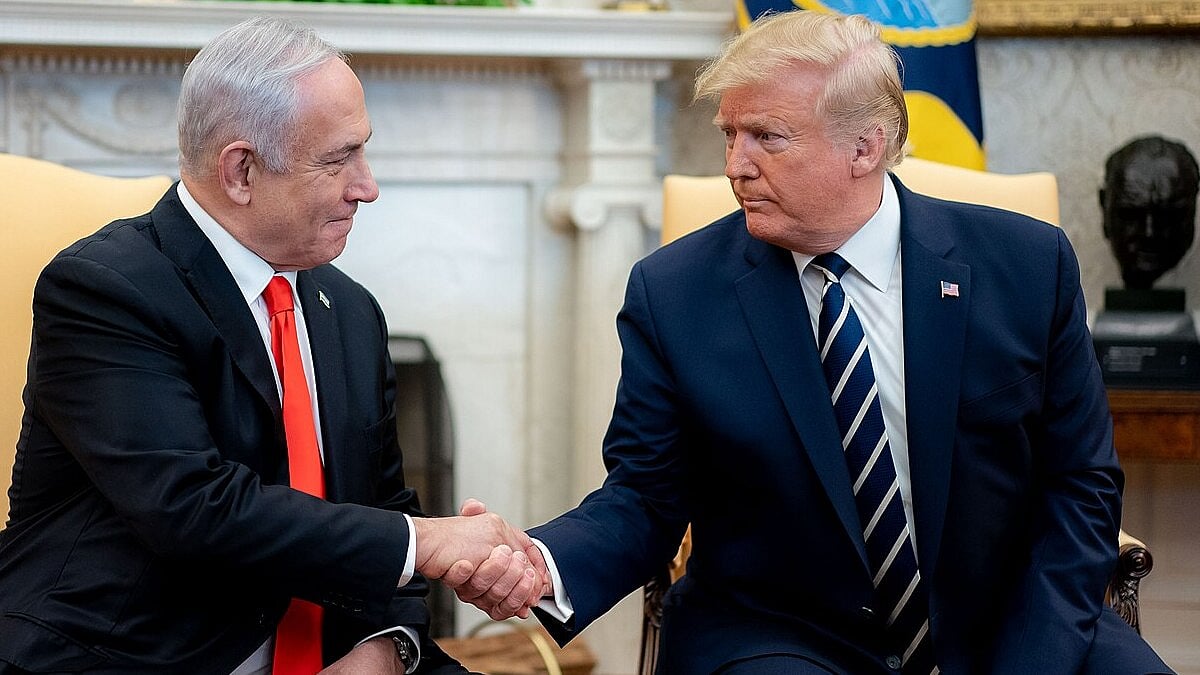
However, right-wing Israeli commentators and media outlets have sharply attacked US negotiators, characterising the deal as an American capitulation born of war fatigue. Ultimately, the Israeli defence establishment views the signed MOU as a major strategic setback that leaves Israel profoundly more vulnerable and isolated in the region.

